Caroline of Ansbach was queen consort of Great Britain as the wife of George II. Intelligent and politically engaged, she acted as regent during the king’s absences, supported Robert Walpole, patronised scholarship and helped manage the dynastic and court politics of the early Hanoverian monarchy.
Caroline of Ansbach also held the offices or ranks of Princess of Wales, Consort of Ireland, and Consort of Hanover. Caroline of Ansbach belonged to the House of Hohenzollern and operated within Holy Roman Empire; Kingdom of Great Britain. Caroline of Ansbach was born in Residenz Ansbach and died in St James's Palace.
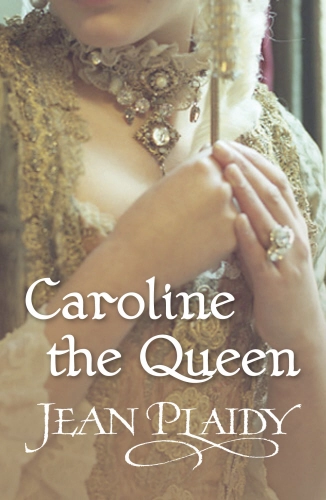
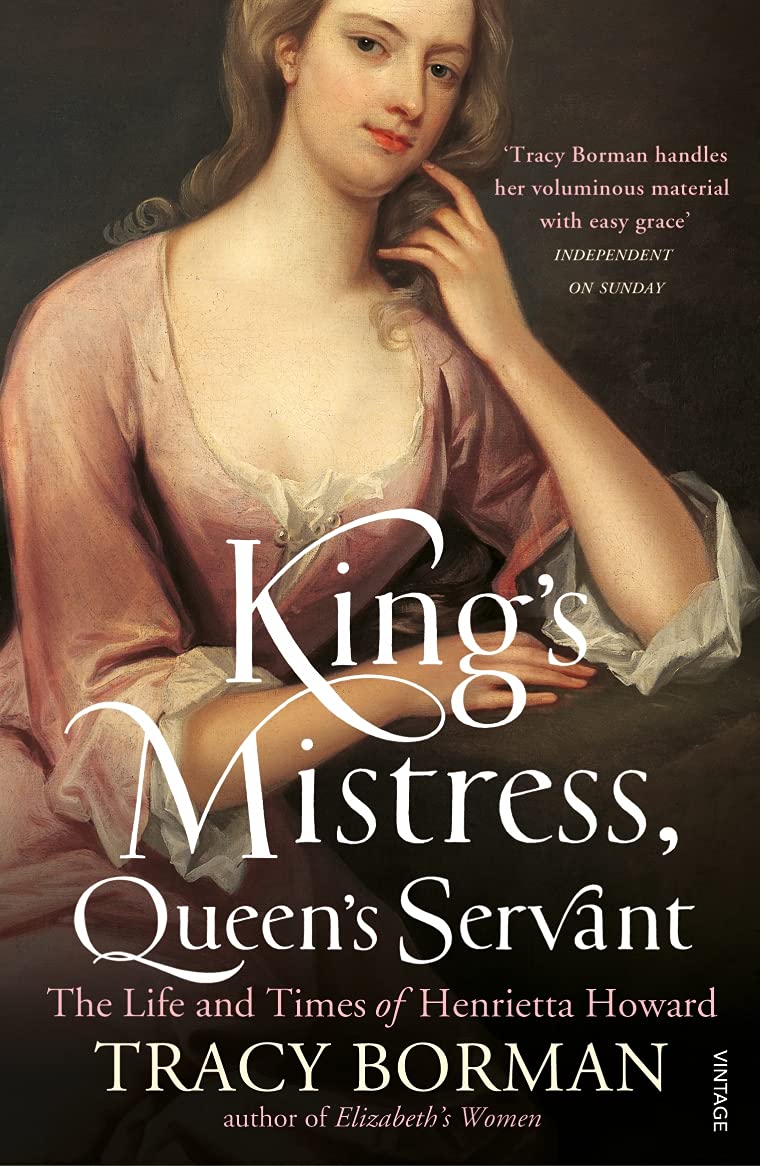
Jean Plaidy’s Caroline, the Queen makes Caroline of Ansbach the principal figure, following her from German princess to queen and political partner of George II. Laura Purcell’s Mistress of the Court views her through Henrietta Howard, whose service in Caroline’s household and relationship with the future king reveal how carefully the princess managed access, reputation and influence. Tracy Borman’s King’s Mistress, Queen’s Servant treats the same triangular relationship historically, emphasising Henrietta’s dependence on Caroline’s court even while she became George’s mistress. Antonia Hodgson’s A Death at Fountains Abbey and The Last Confession of Thomas Hawkins use Caroline as part of the living political world behind their Georgian crimes, where royal favour, patronage and faction can determine whether an investigation remains private or becomes a matter of state.