John Rawlings in Order
The John Rawlings mysteries follow a young London apothecary whose trained eye for physical detail and talent for deduction repeatedly draw him into murder investigations. Working at first alongside Sir John Fielding, the blind Bow Street magistrate known as the “Blind Beak”, Rawlings moves through pleasure gardens, theatres,…
All books in this series
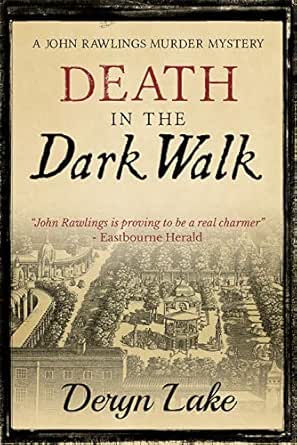
1. Death in the Dark Walk
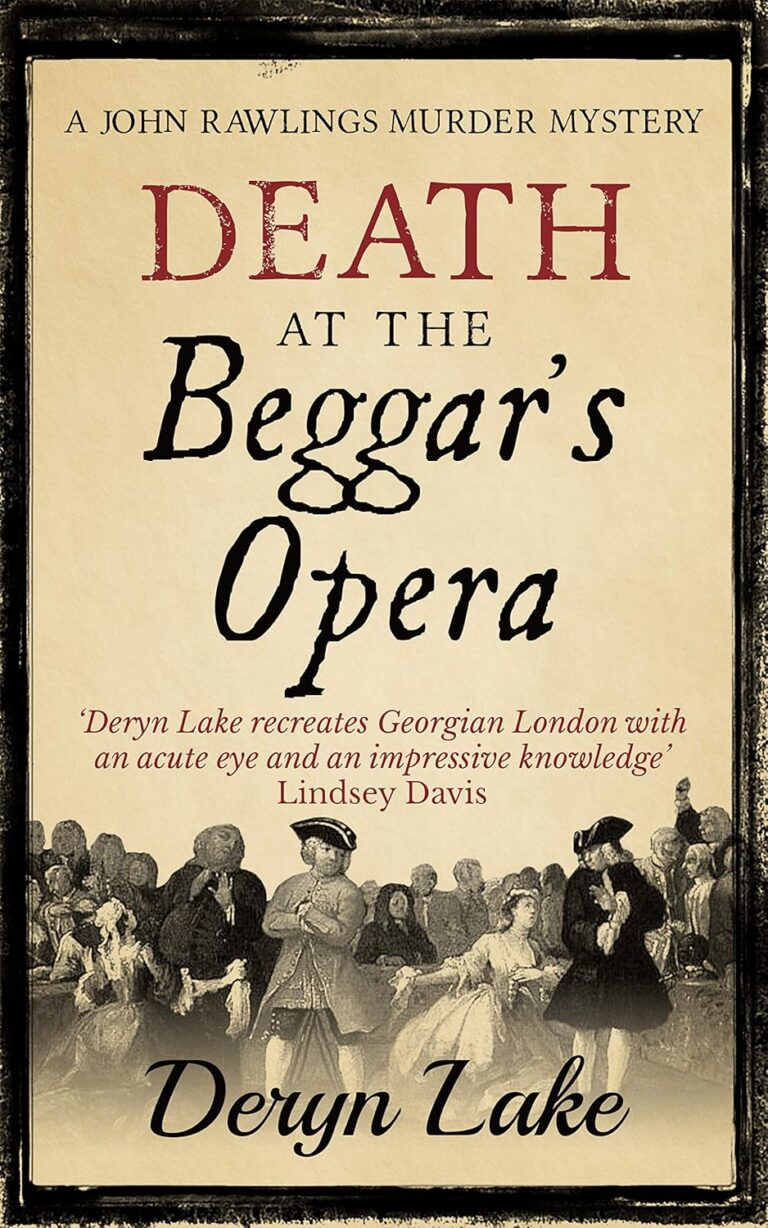
2. Death at the Beggar’s Opera
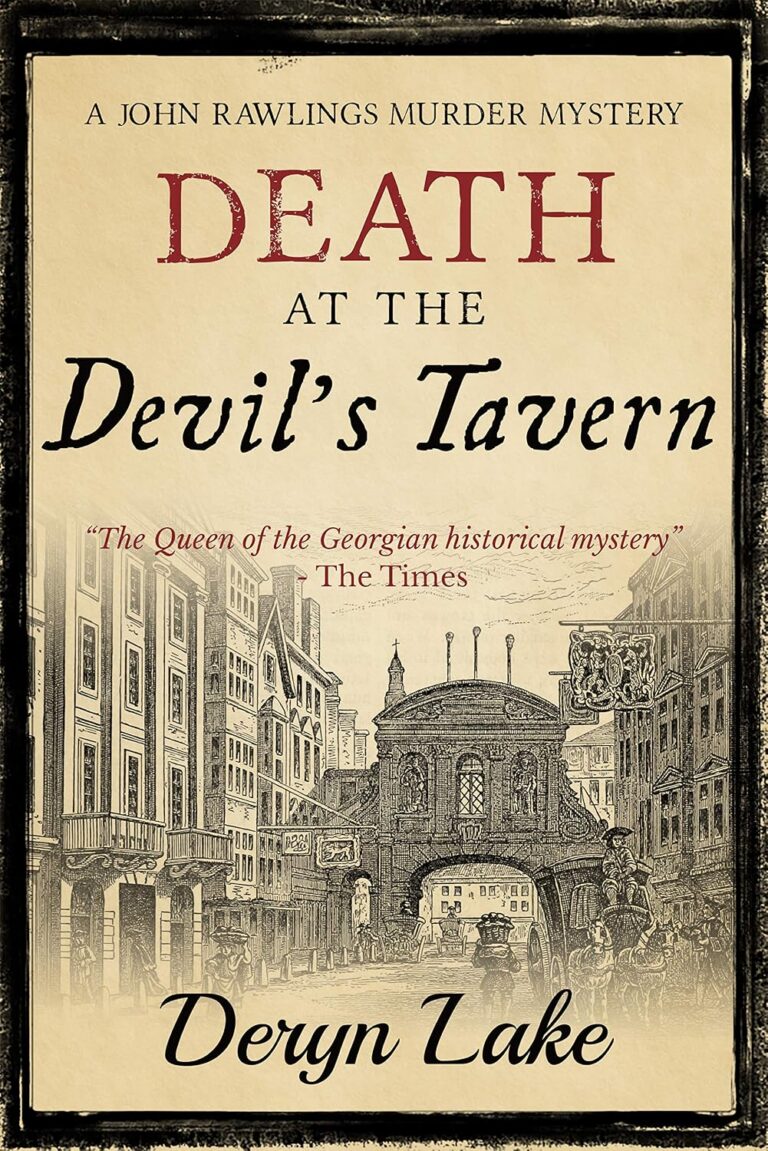
3. Death at the Devil’s Tavern
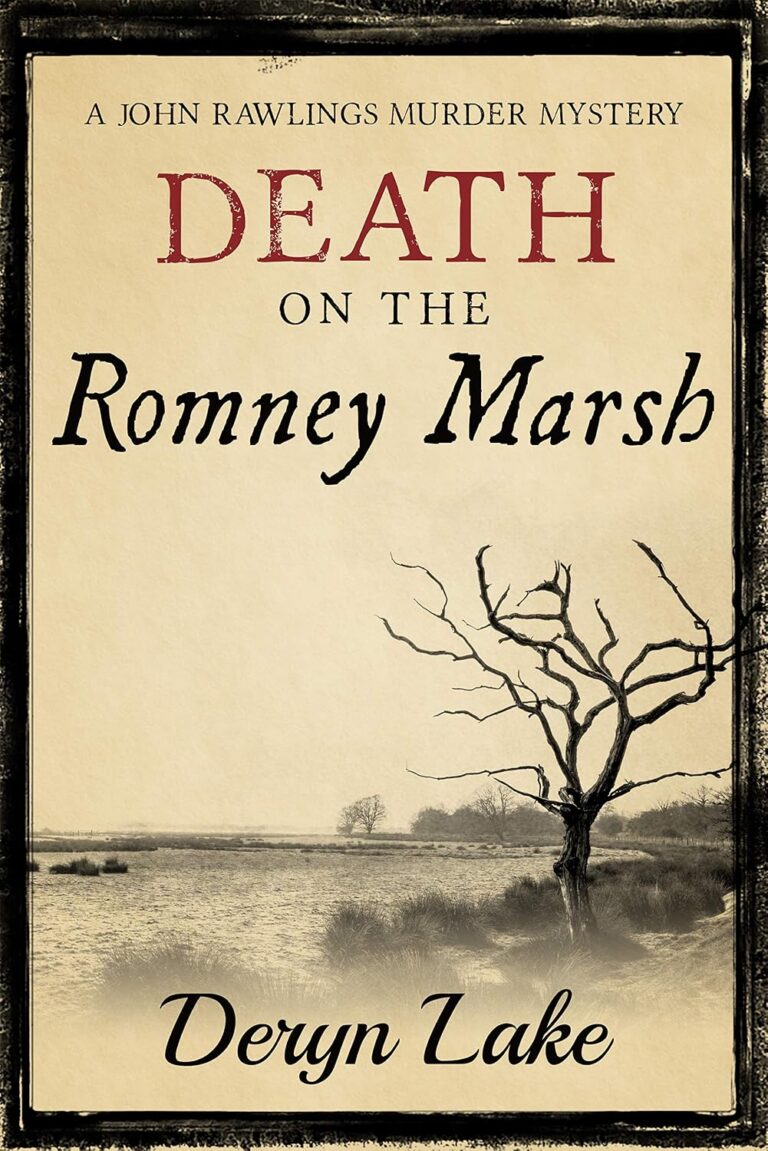
4. Death on the Romney Marsh
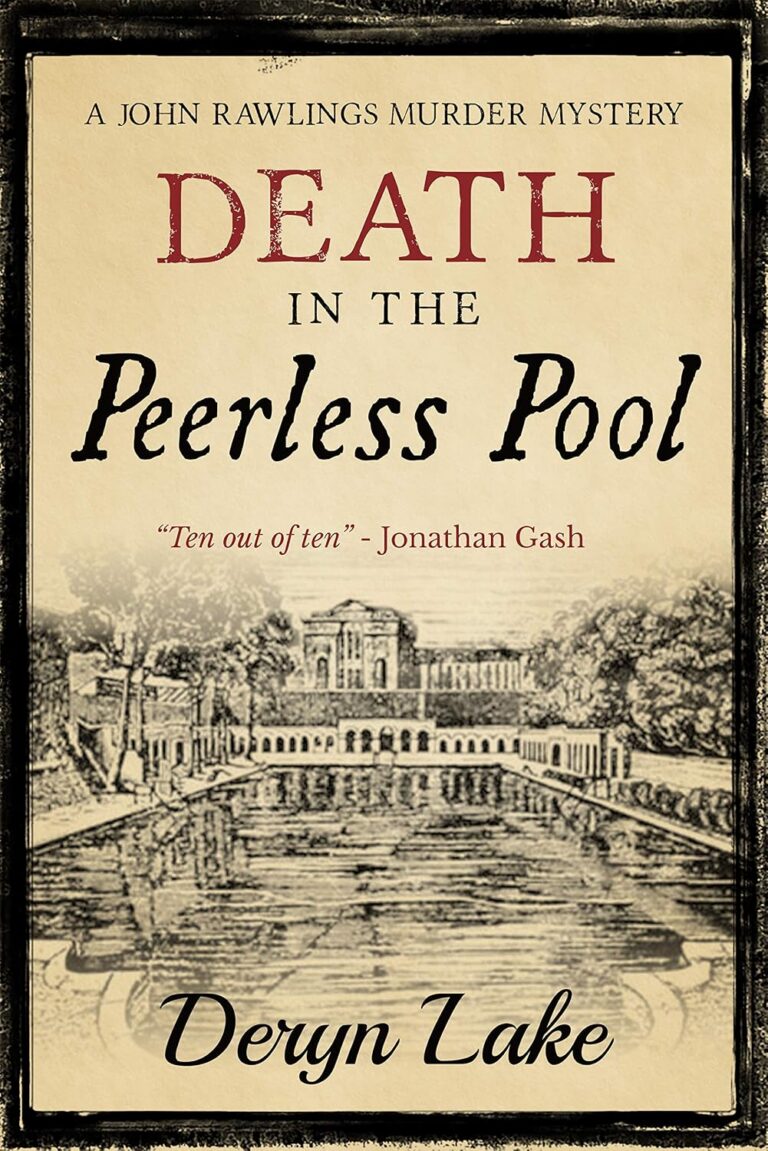
5. Death in the Peerless Pool
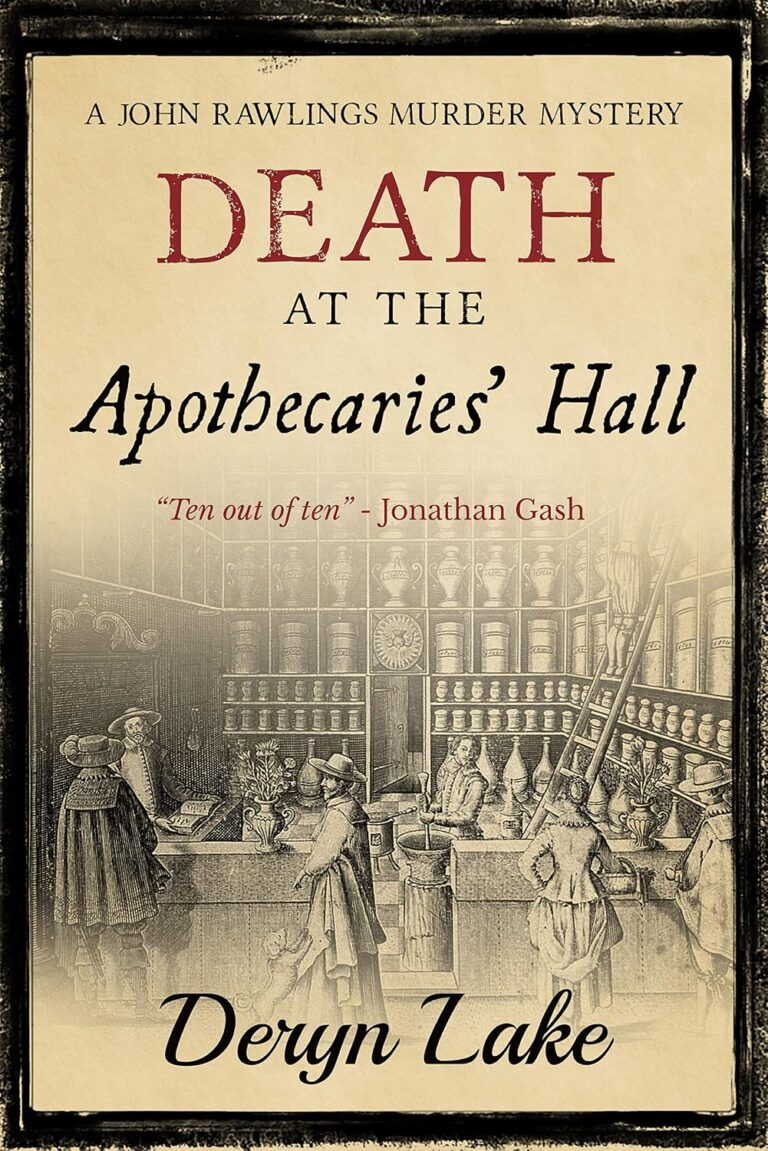
6. Death at the Apothecaries’ Hall
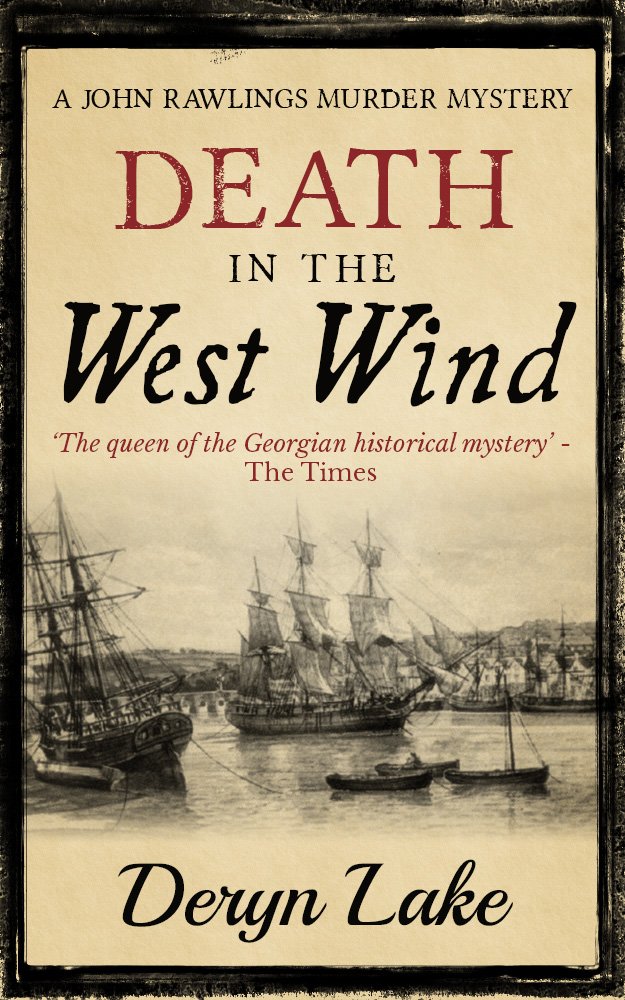
7. Death in the West Wind
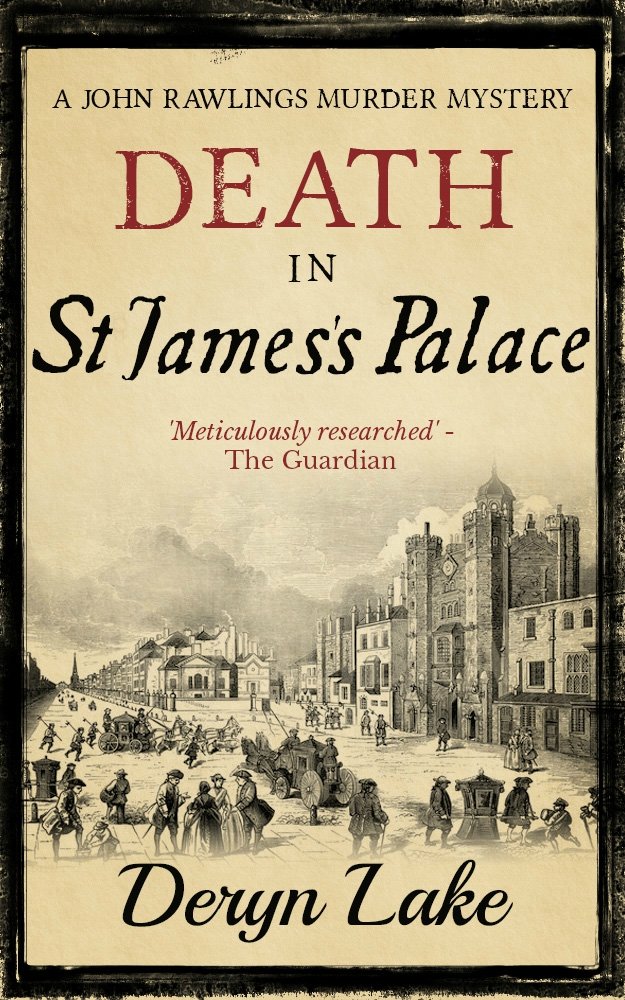
8. Death in St James’s Palace
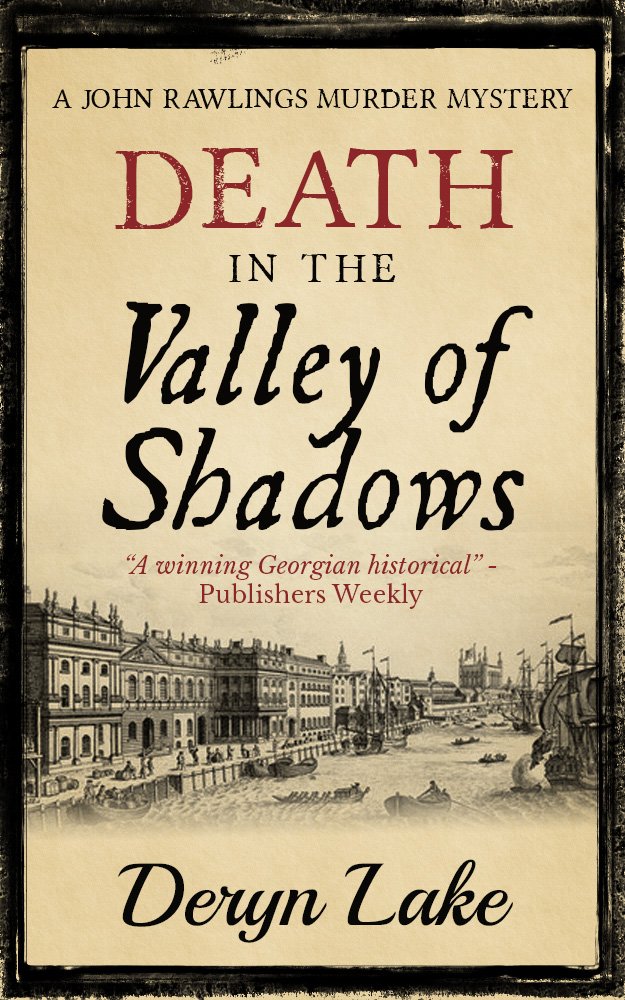
9. Death in the Valley of Shadows
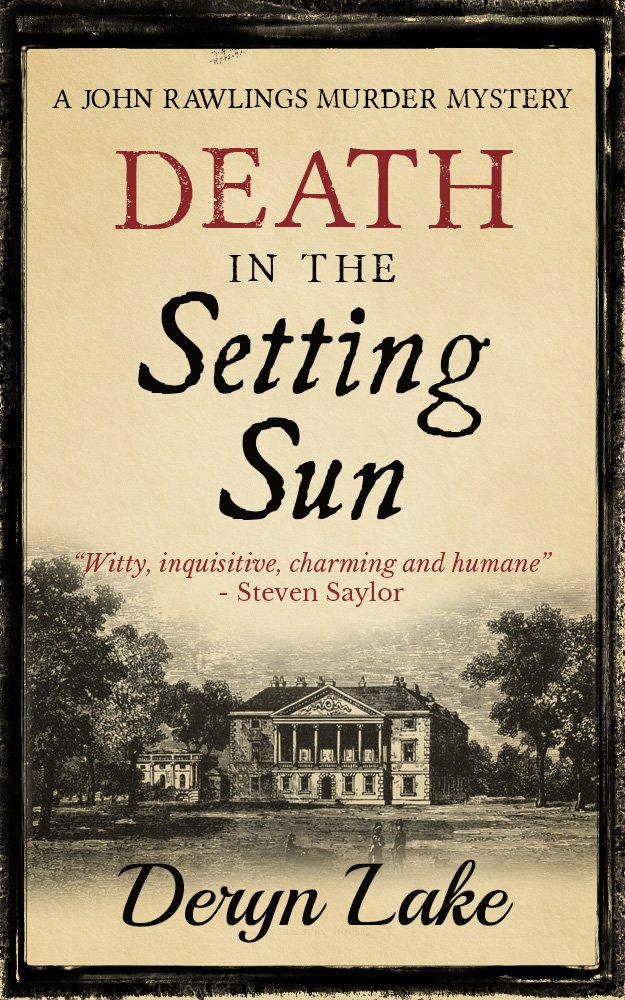
10. Death in the Setting Sun
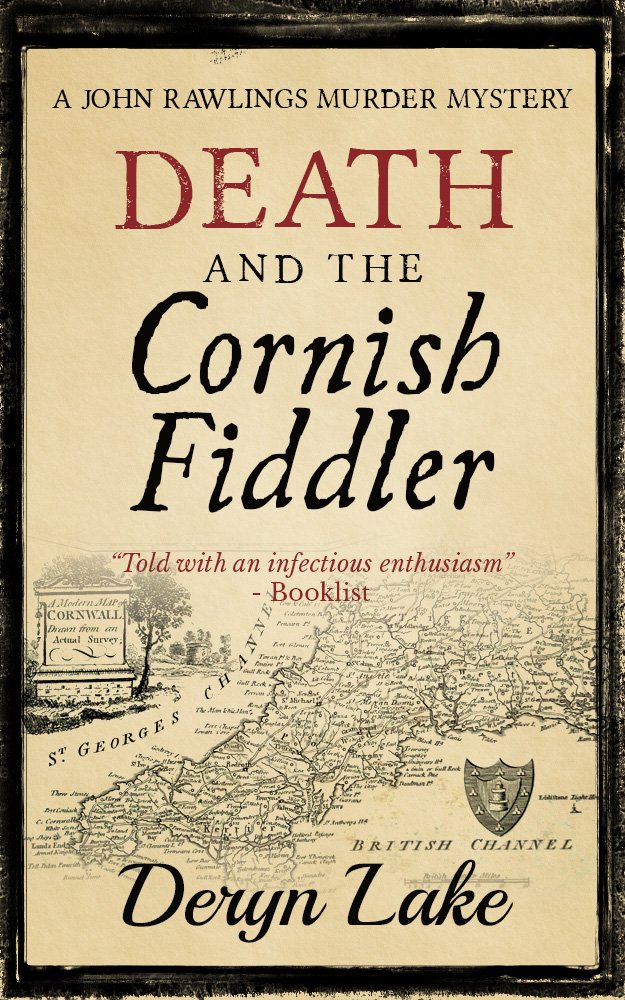
11. Death and the Cornish Fiddler

12. Death in Hellfire
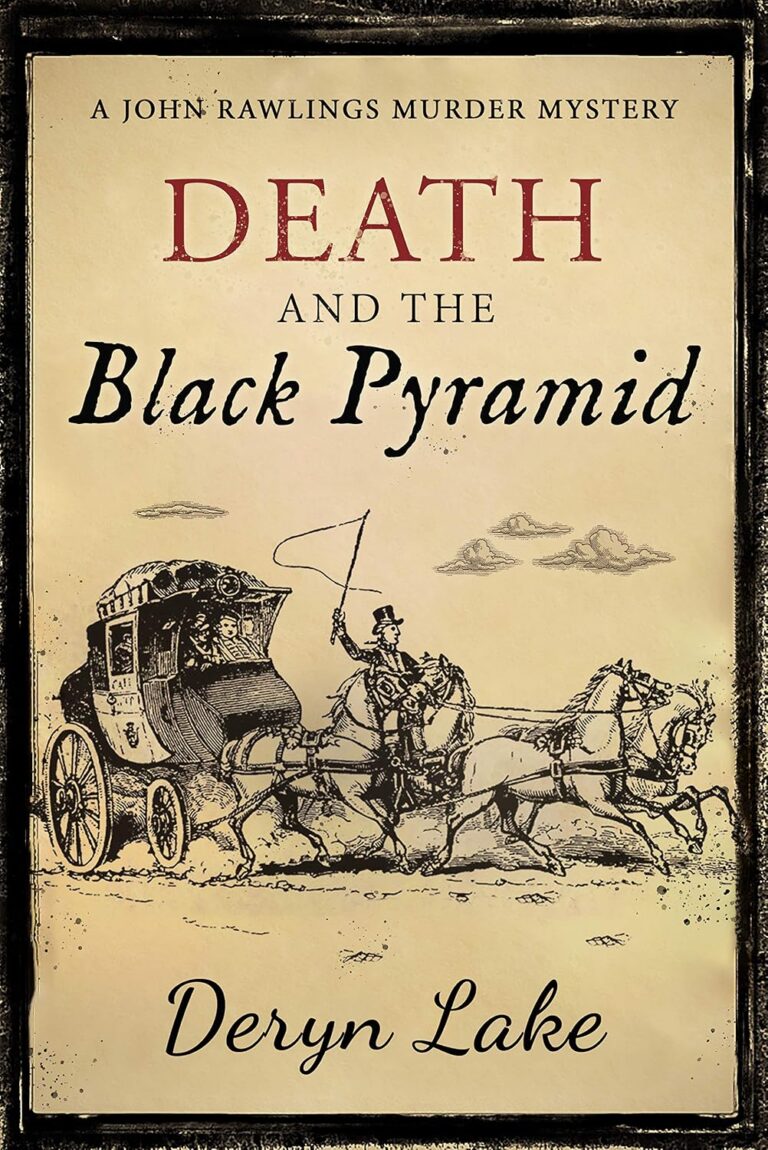
13. Death and the Black Pyramid
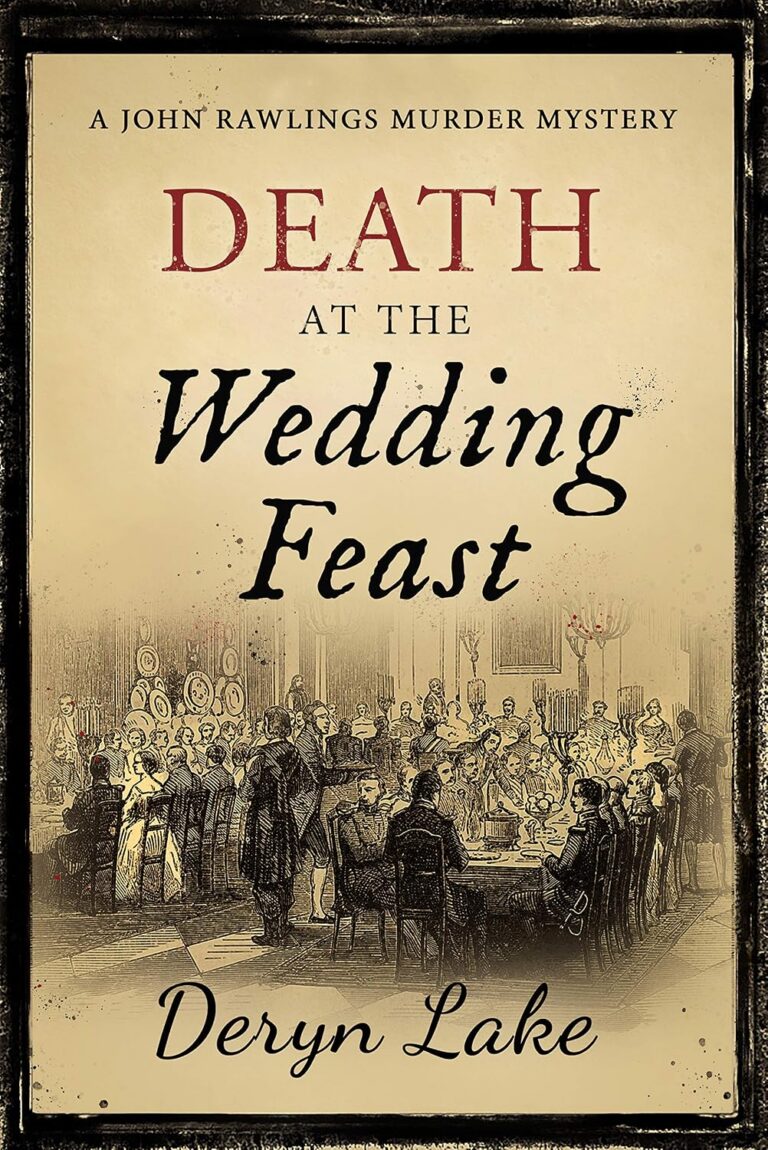
14. Death at the Wedding Feast
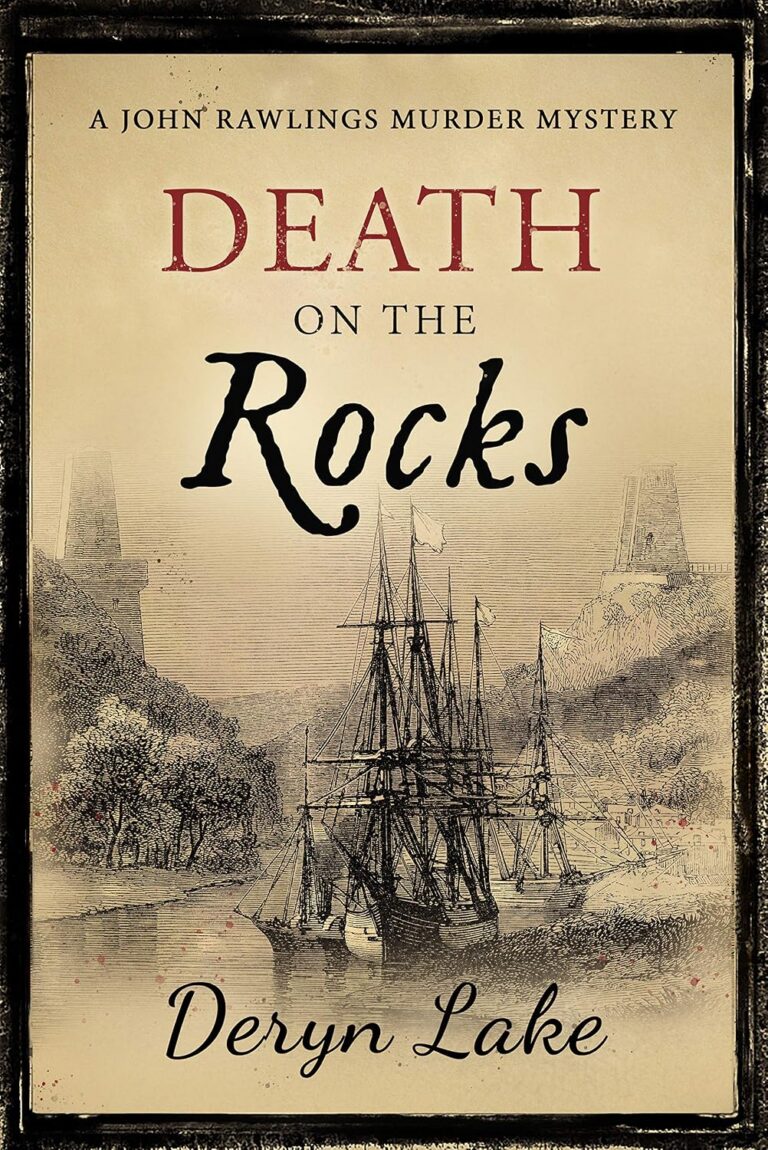
15. Death on the Rocks
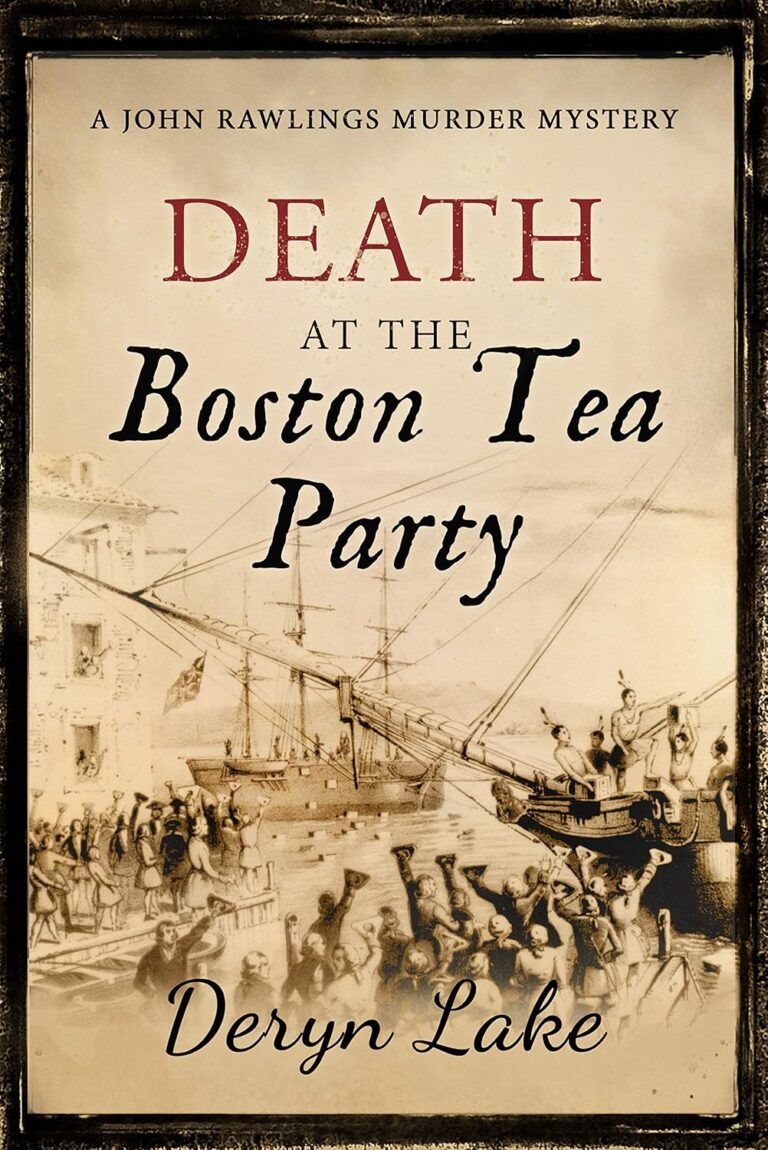
16. Death at the Boston Tea Party