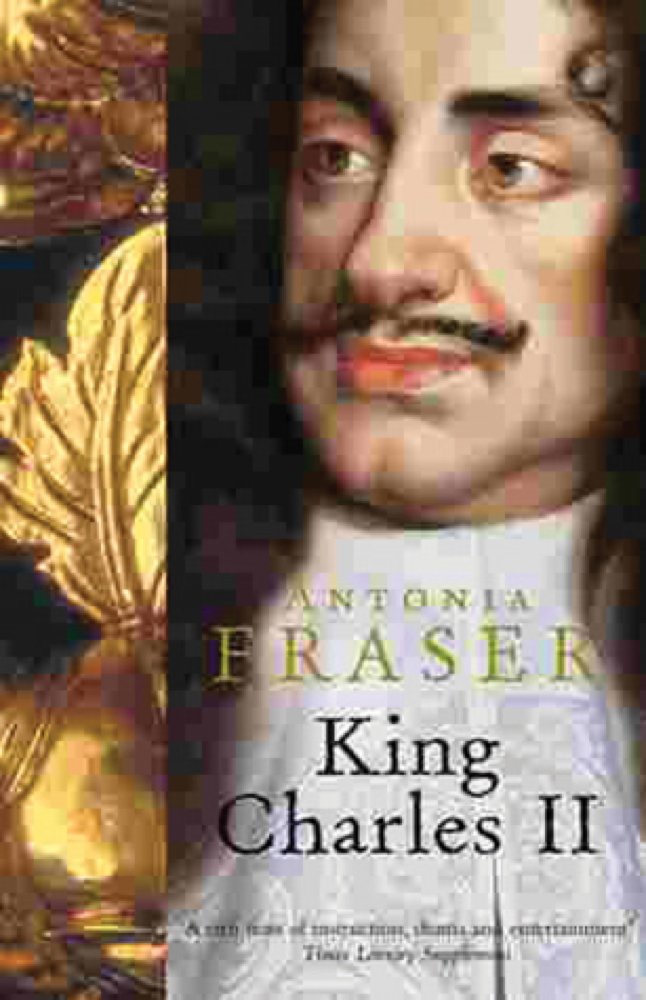
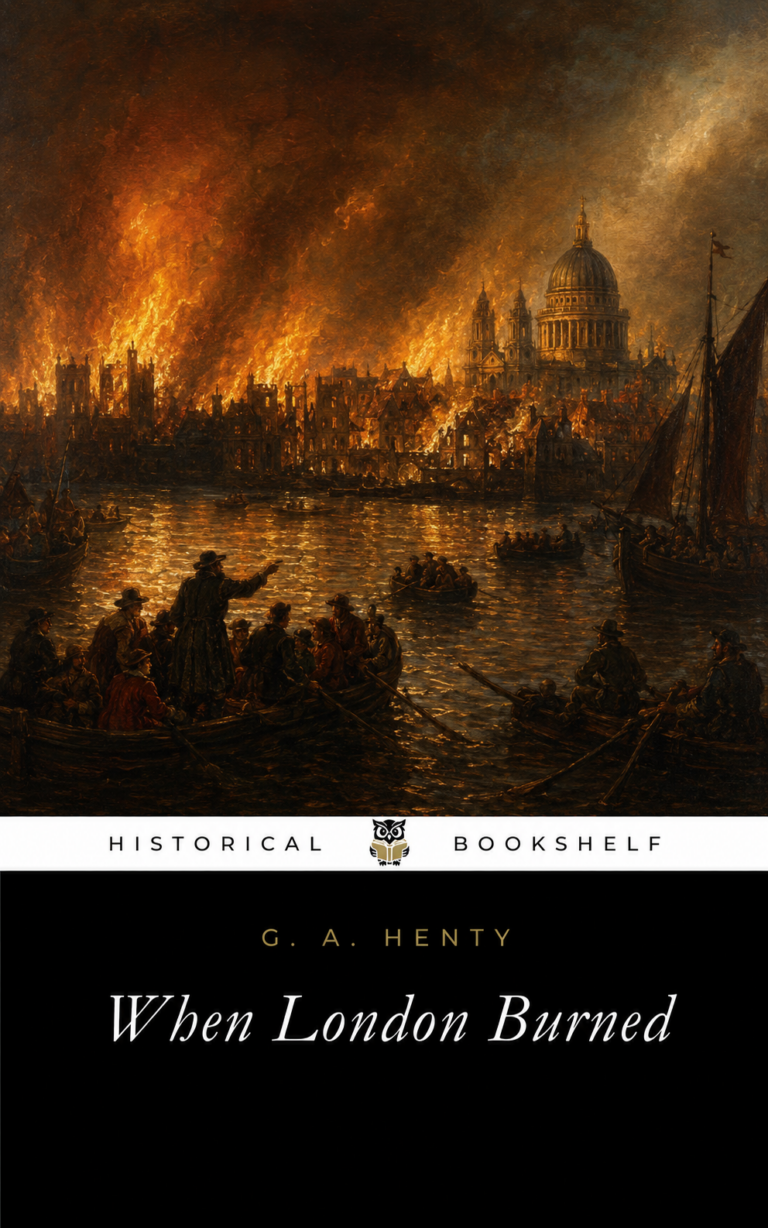
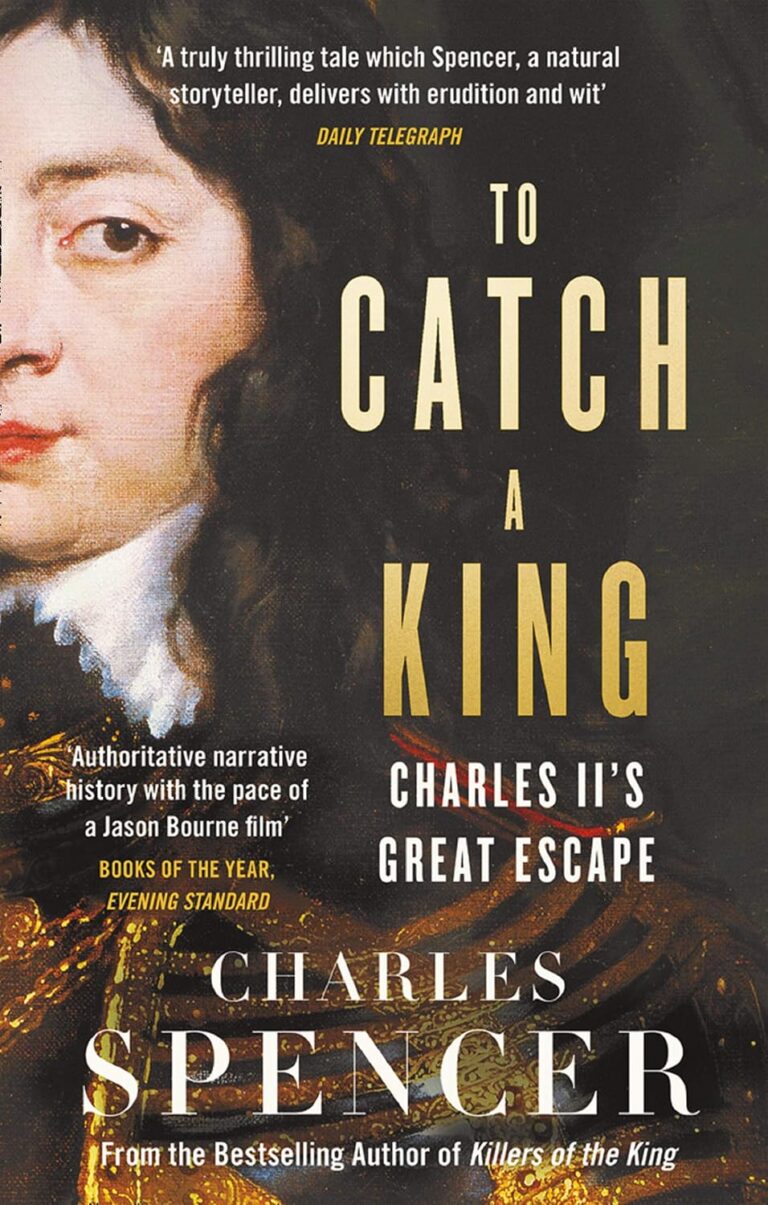
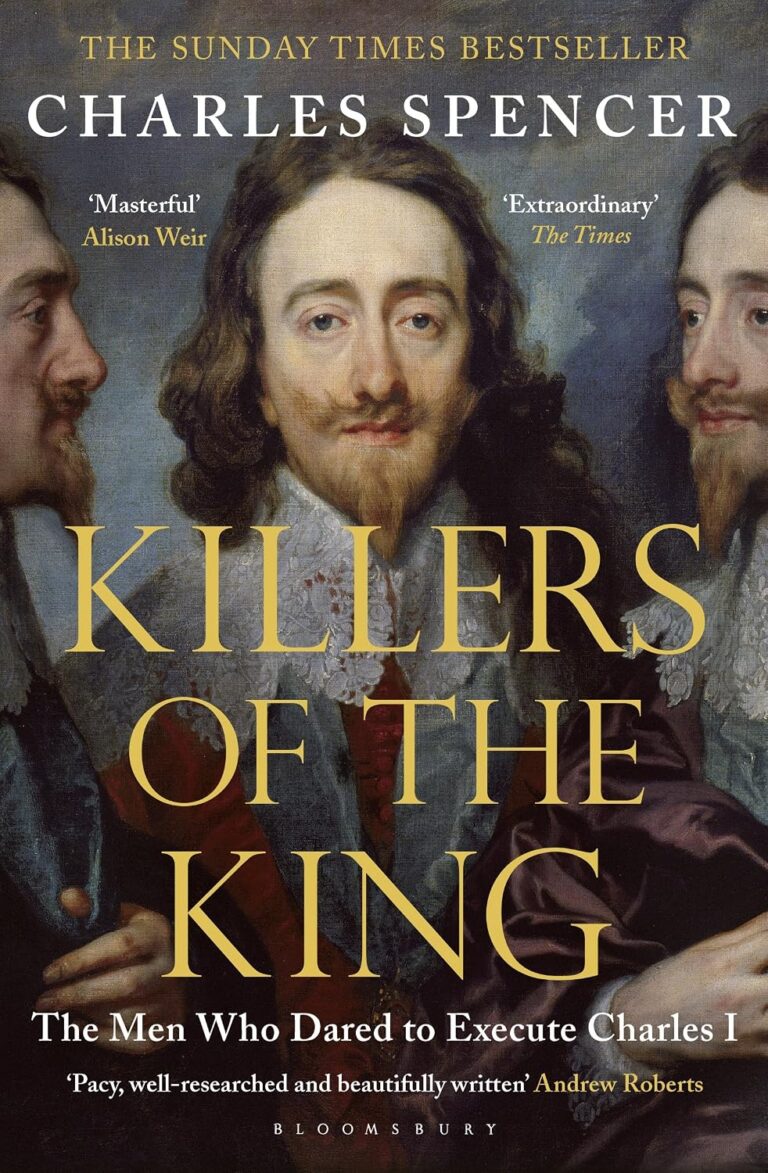
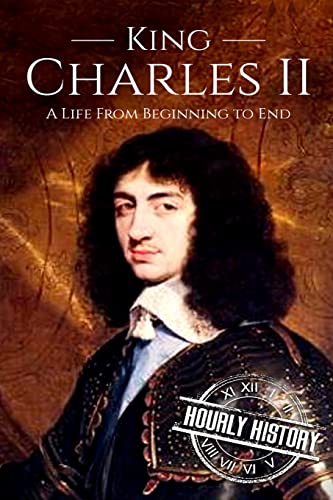
Charles II was king of England, Scotland and Ireland from the Restoration in 1660 until 1685. After years of exile following his father’s execution, he returned to a monarchy constrained by parliament but sustained by court patronage and political skill. His reign included the plague, the Great Fire of London, wars with the Dutch and intense conflict over religion and succession. He had many acknowledged illegitimate children but no legitimate heir.
Kathleen Winsor’s Forever Amber uses the Restoration court and Charles’s sexuality as central elements, while Robert Harris’s Act of Oblivion portrays his pursuit of the regicides. He also appears in Neal Stephenson’s Baroque Cycle and numerous novels about the plague and fire. Fiction often favours the witty, tolerant “Merry Monarch,” but his secret diplomacy, dependence on Louis XIV and manipulation of rival factions reveal a more calculating ruler.
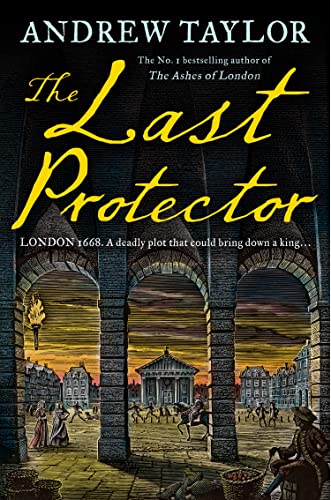
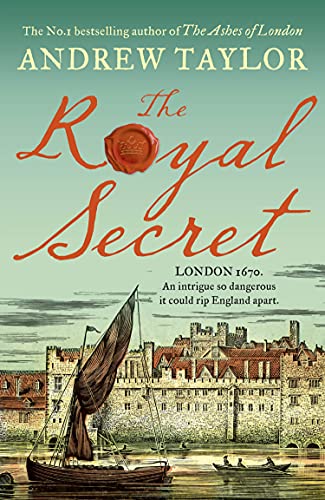
In Andrew Taylor’s The King’s Evil, the inquiry forces both of them to confront former loyalties and shows how easily private crime can become a weapon in the factional politics of Restoration England. In Andrew Taylor’s The Last Protector, Richard Cromwell, the former Lord Protector and son of Oliver Cromwell, has secretly returned to England despite the danger posed by the restored monarchy. Other novels featuring Charles II of England include Andrew Taylor’s The Royal Secret, Jean Plaidy’s A Health Unto His Majesty, Susanna Gregory’s A Murder on London Bridge, Jean Plaidy’s Here Lies Our Sovereign Lord, and Susanna Gregory’s Murder on High Holborn.
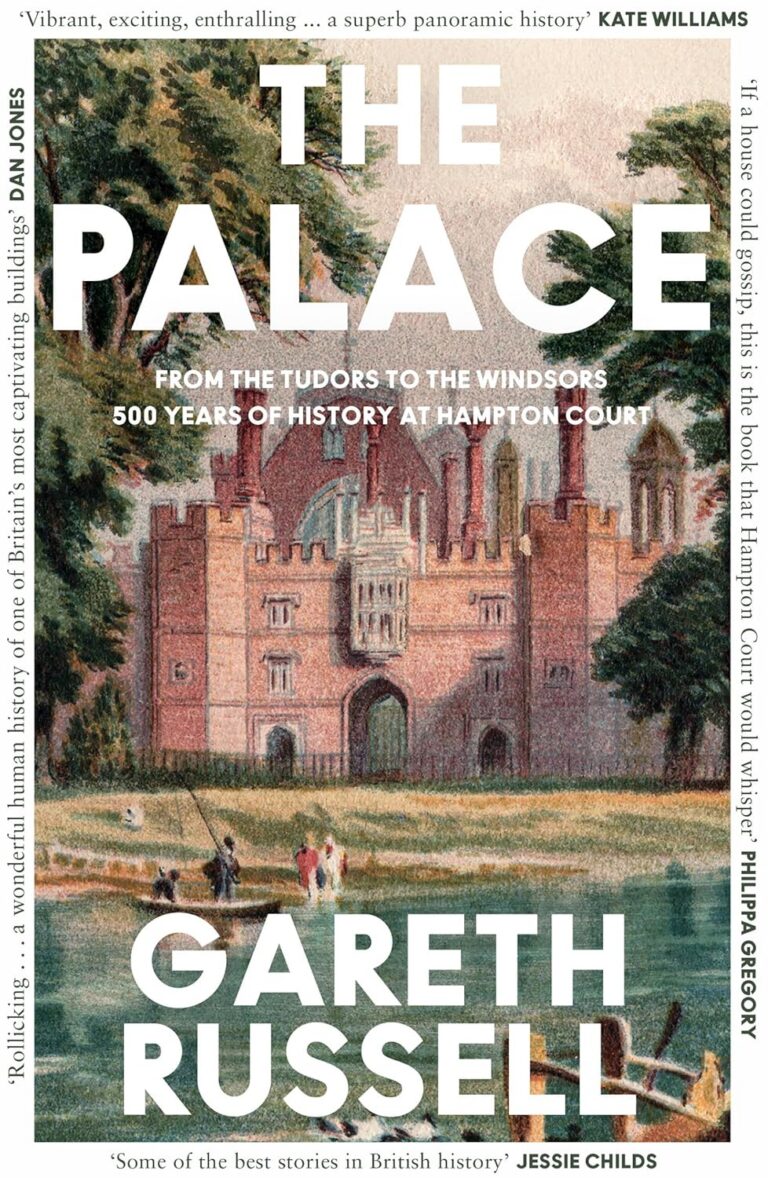
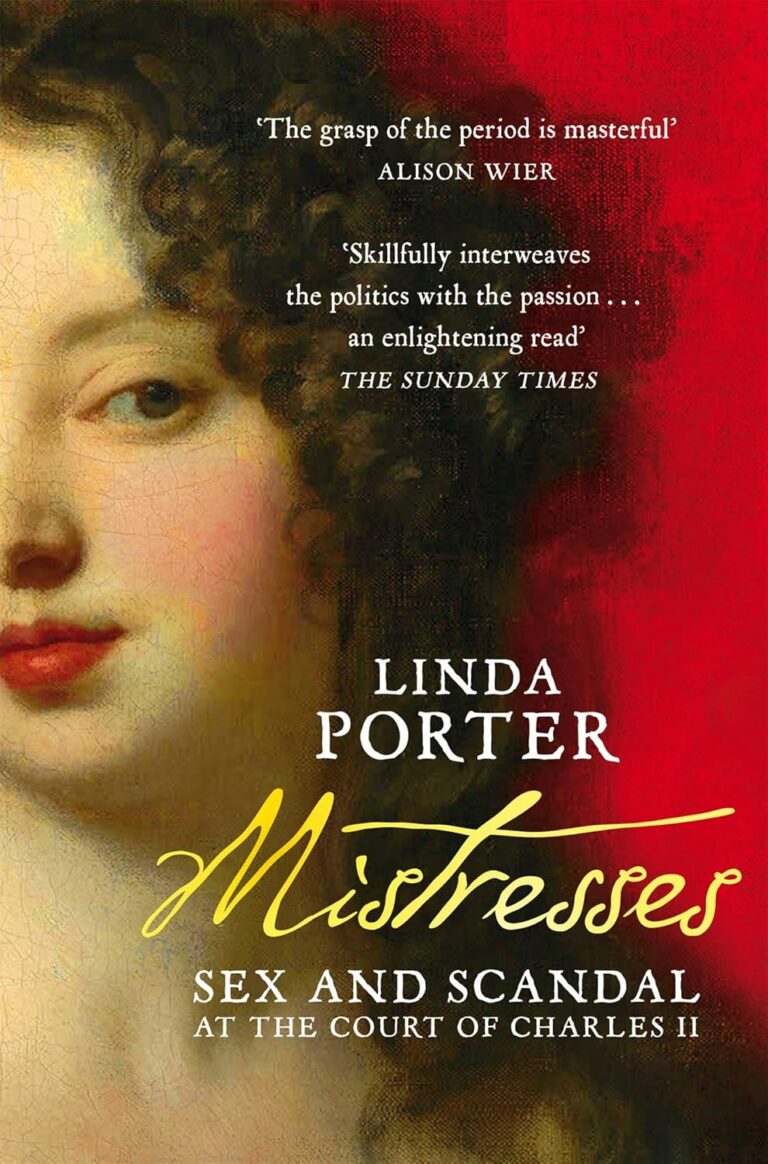
In non-fiction, Charles II of England is discussed in Linda Porter’s Mistresses, Antonia Fraser’s The Weaker Vessel, Linda Porter’s Royal Renegades, and Gareth Russell’s The Palace. In Linda Porter’s Mistresses, the book treats the women as individual actors whose households, patronage and international connections helped define Restoration England.