Samuel Pepys rose through government service after the Restoration and became an important administrator of the Royal Navy. His work on finance, supply and professional standards helped strengthen naval administration during the Anglo-Dutch wars.
The diary he kept from 1660 to 1669 records politics, theatre, work, family life, the plague and the Great Fire of London with exceptional immediacy. Written in shorthand and not published until the nineteenth century, it has become one of the best-known personal records of seventeenth-century England.
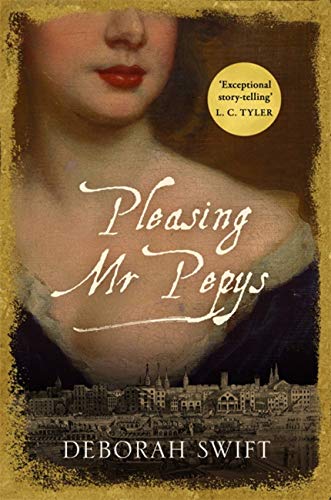
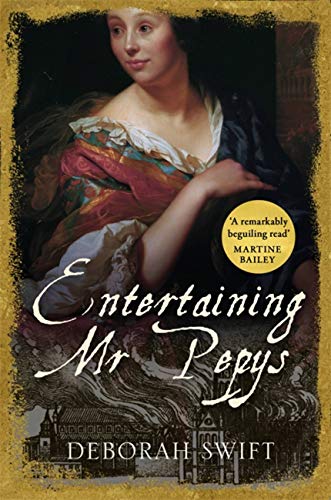
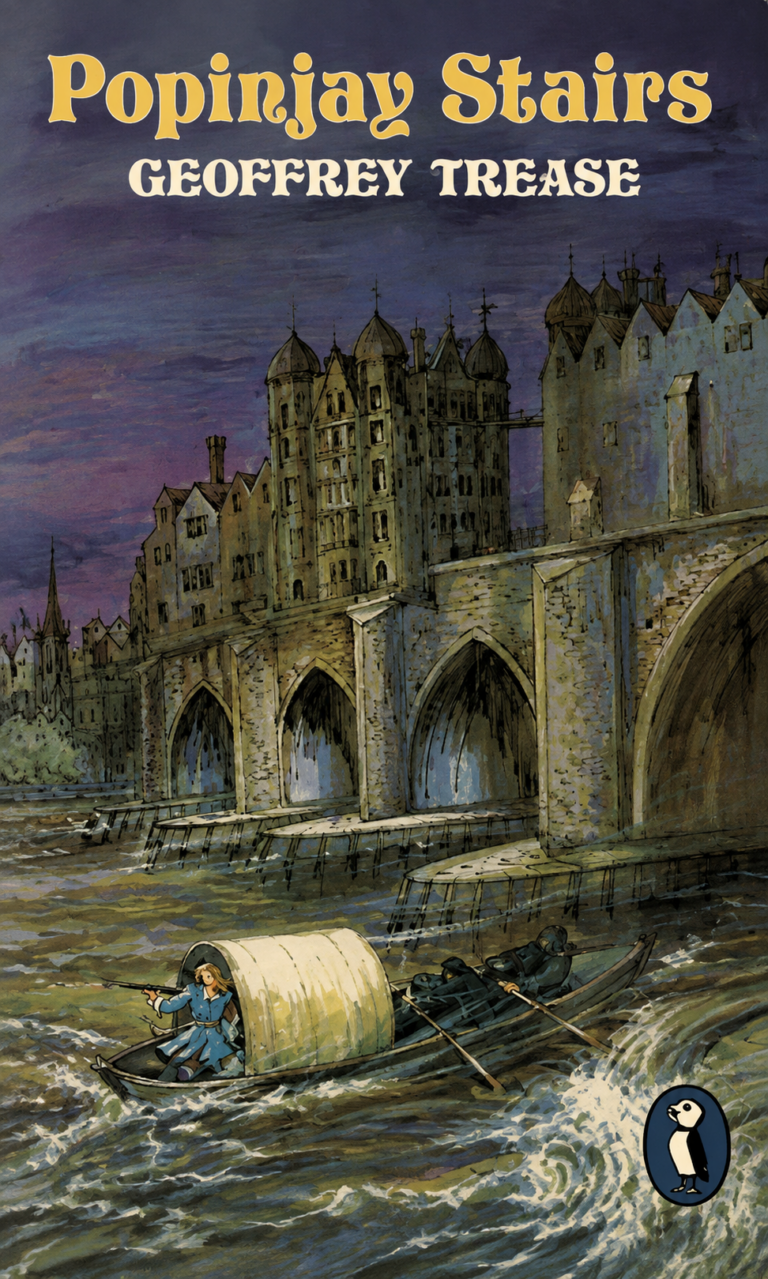
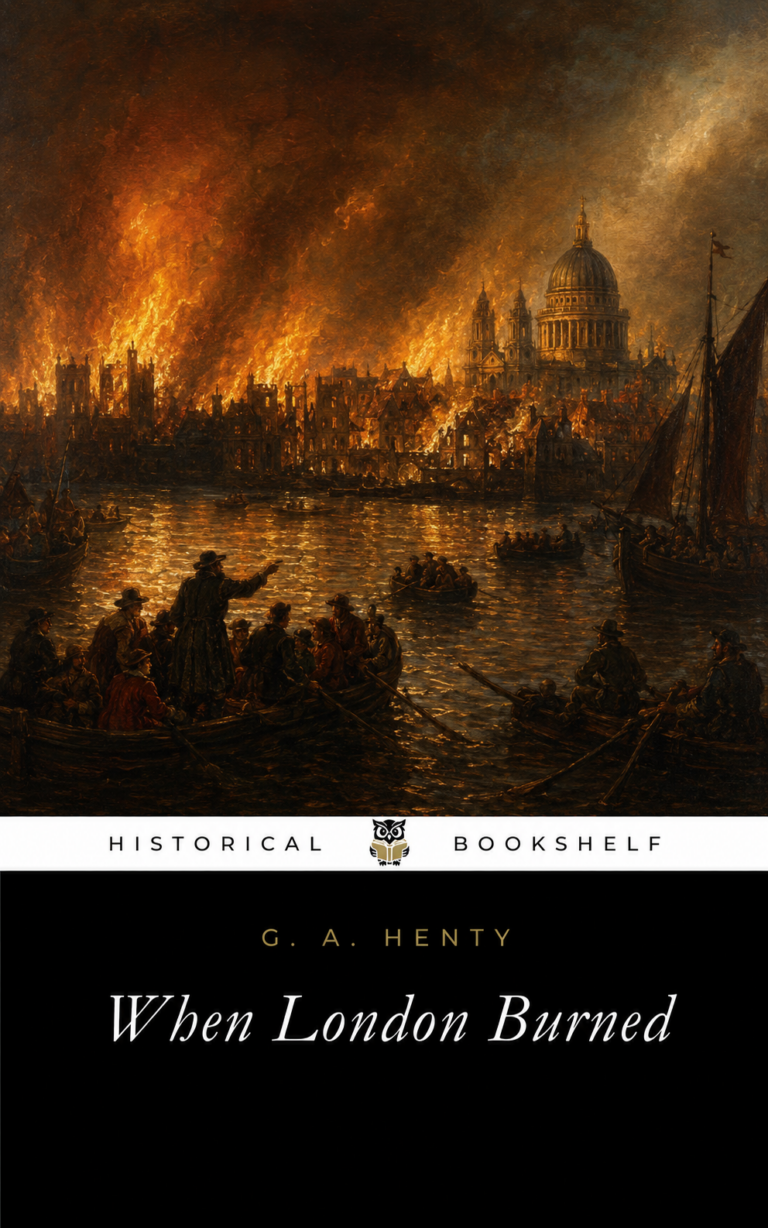
In Deborah Swift’s A Plague on Mr Pepys, as plague spreads through the city, Elizabeth ‘Bess’ Bagwell wants her carpenter husband Will to secure advancement through the Navy. Her attempt to cultivate Samuel Pepys as a useful patron exposes her to a relationship in which the balance of power is dangerously unequal, while Will becomes entangled with a supposed remedy for the disease. In Deborah Swift’s Entertaining Mr Pepys, A clandestine visit to the theatre reveals a new professional world just as women are beginning to establish themselves on the English public stage. Bird’s determination to perform brings her into the orbit of Samuel Pepys and other figures of Restoration theatrical life, including Nell Gwyn. Samuel Pepys is treated fictionally in Deborah Swift’s Pleasing Mr Pepys, G. A. Henty’s When London Burned, and Geoffrey Trease’s Popinjay Stairs.