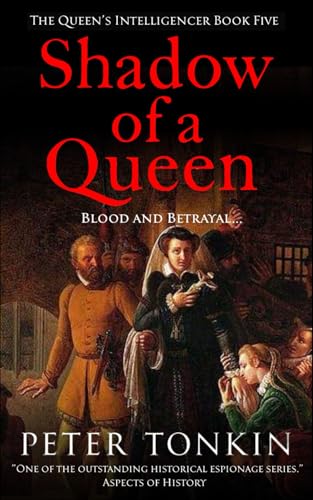
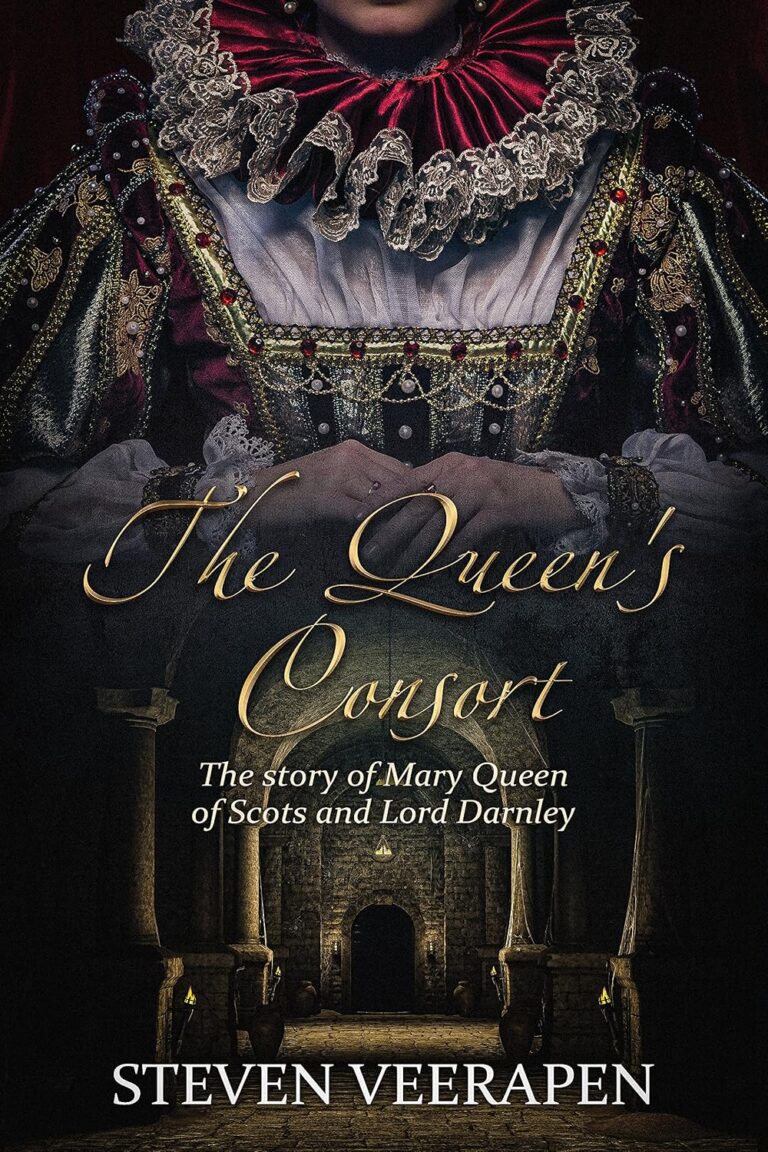
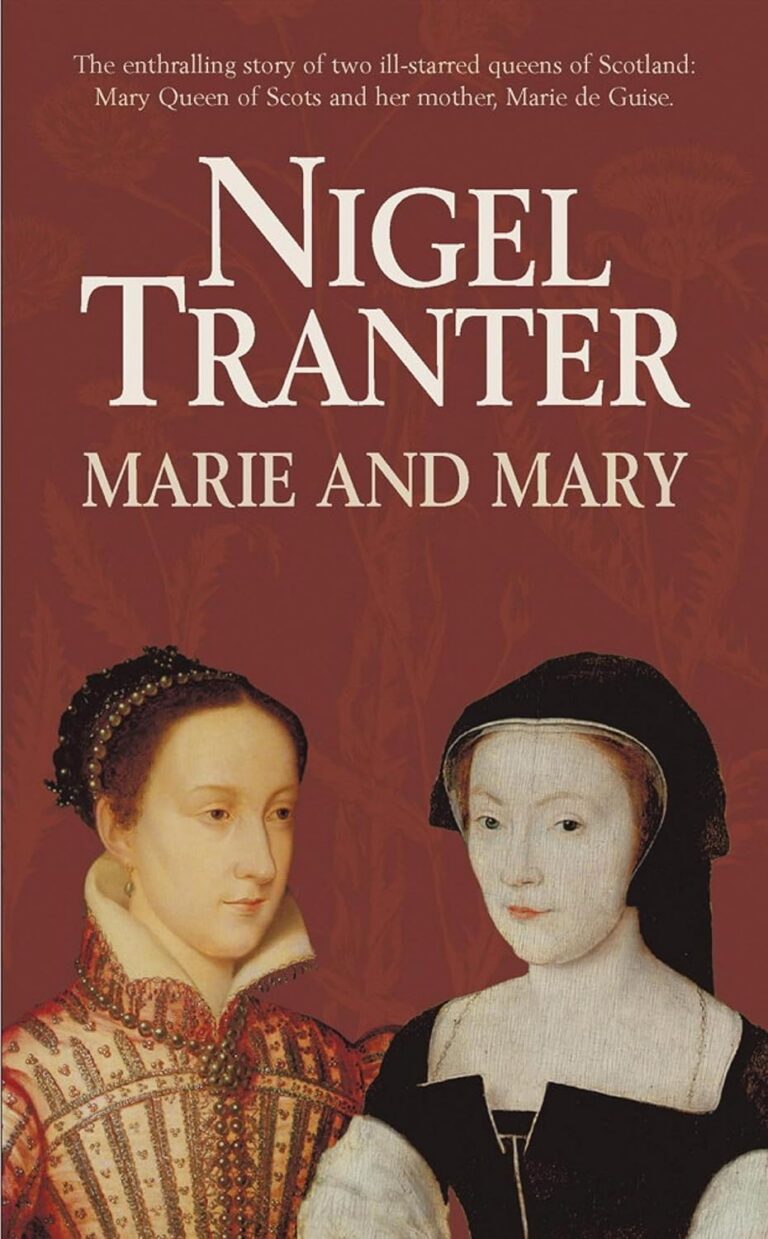
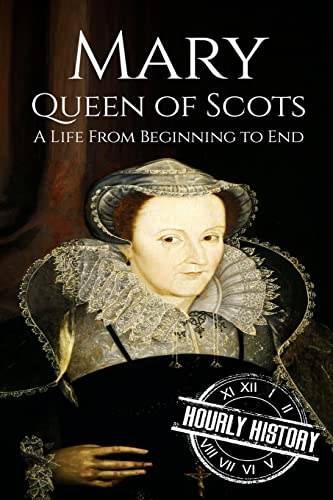
Mary, Queen of Scots, became queen of Scotland as an infant and was raised in France, where she married Francis II. Returning as a young widow, she attempted to rule a kingdom divided by religion and noble rivalry.
Her marriage to Lord Darnley, his murder and her subsequent marriage to Bothwell led to rebellion and abdication. After fleeing to England, Mary spent nineteen years in captivity before Elizabeth I authorised her execution in 1587. Mary, Queen of Scots was born in Linlithgow Palace and died in Fotheringhay Castle.
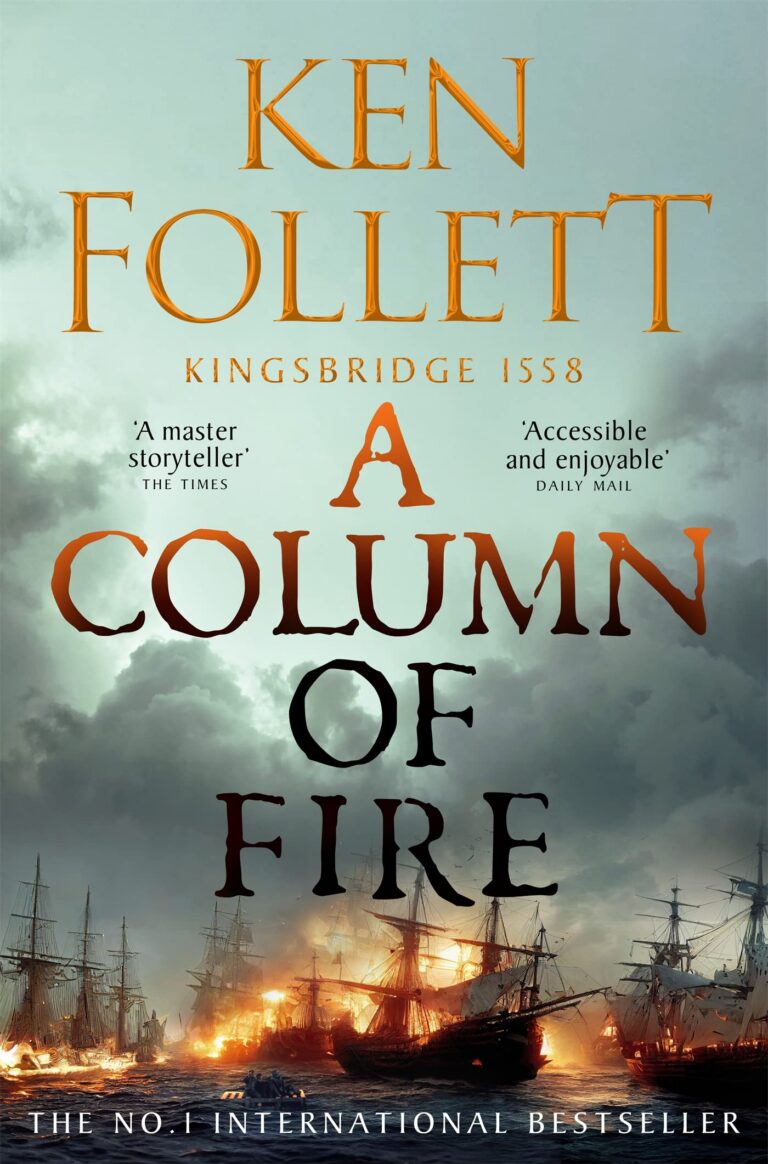
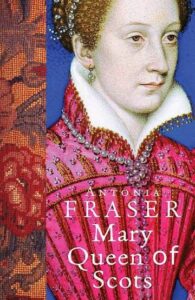
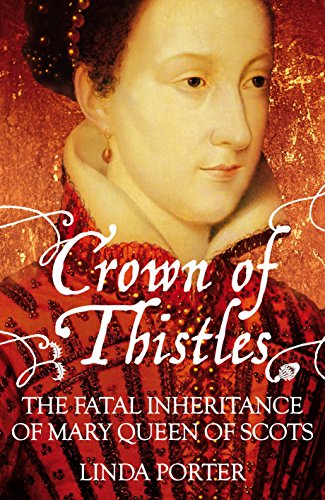
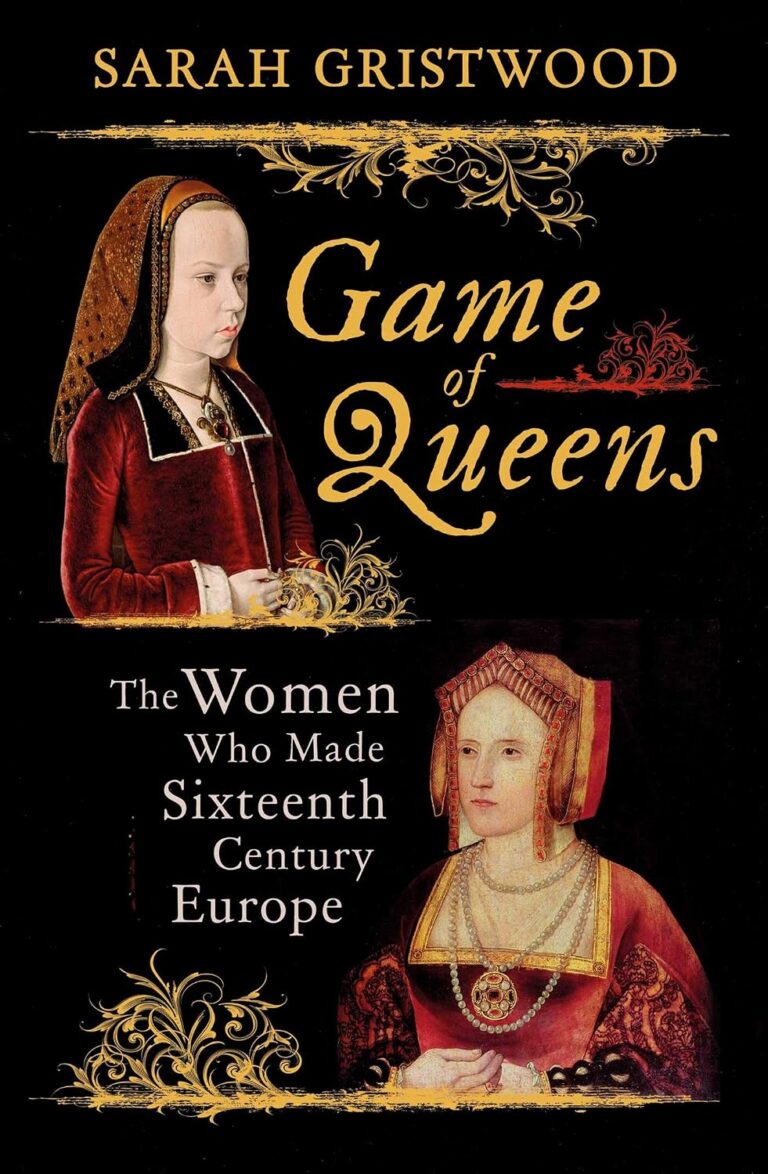
In Linda Porter’s Crown of Thistles, the later rivalry between Elizabeth I and Mary, Queen of Scots is presented as the consequence of this longer family history rather than an isolated conflict between two queens. In Tracy Borman’s Elizabeth’s Women, Mary I, Mary, Queen of Scots, the Grey sisters, Lettice Knollys and Elizabeth’s ladies-in-waiting reveal different forms of kinship, rivalry and intimacy around the throne. Further fictional perspectives on Mary, Queen of Scots can be found in Ken Follett’s A Column of Fire. For broader historical treatment of Mary, Queen of Scots, see Sarah Gristwood’s Game of Queens, Antonia Fraser’s Mary Queen of Scots, Alison Weir’s Elizabeth the Queen, and Alison Weir’s Mary, Queen of Scots and the Murder of Lord Darnley.