Oliver Cromwell was an English soldier and political leader who rose during the Wars of the Three Kingdoms. He commanded Parliamentarian forces, helped defeat Charles I, supported the king’s execution and later ruled as lord protector after campaigns in Ireland and Scotland.
Oliver Cromwell also held the offices or ranks of Lord Protector of the Commonwealth of England, Scotland and Ireland and Chancellor of the University of Oxford. Oliver Cromwell was born in Huntingdon and died in Palace of Whitehall.
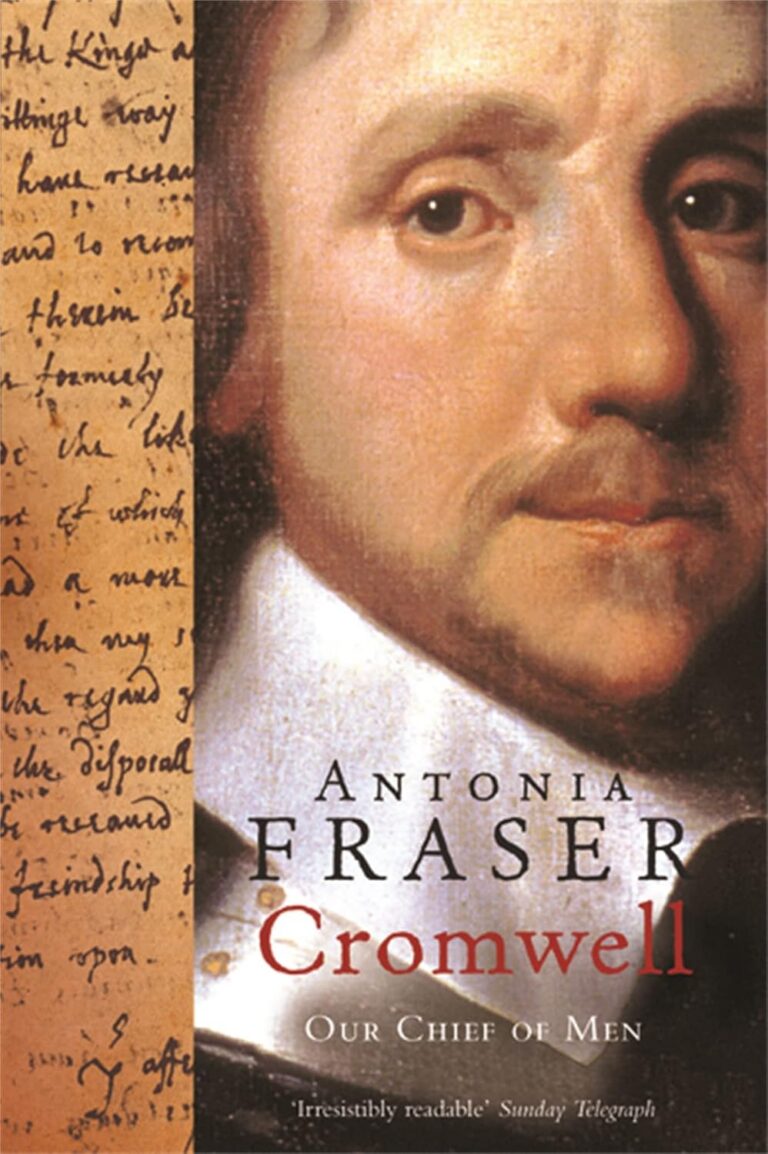
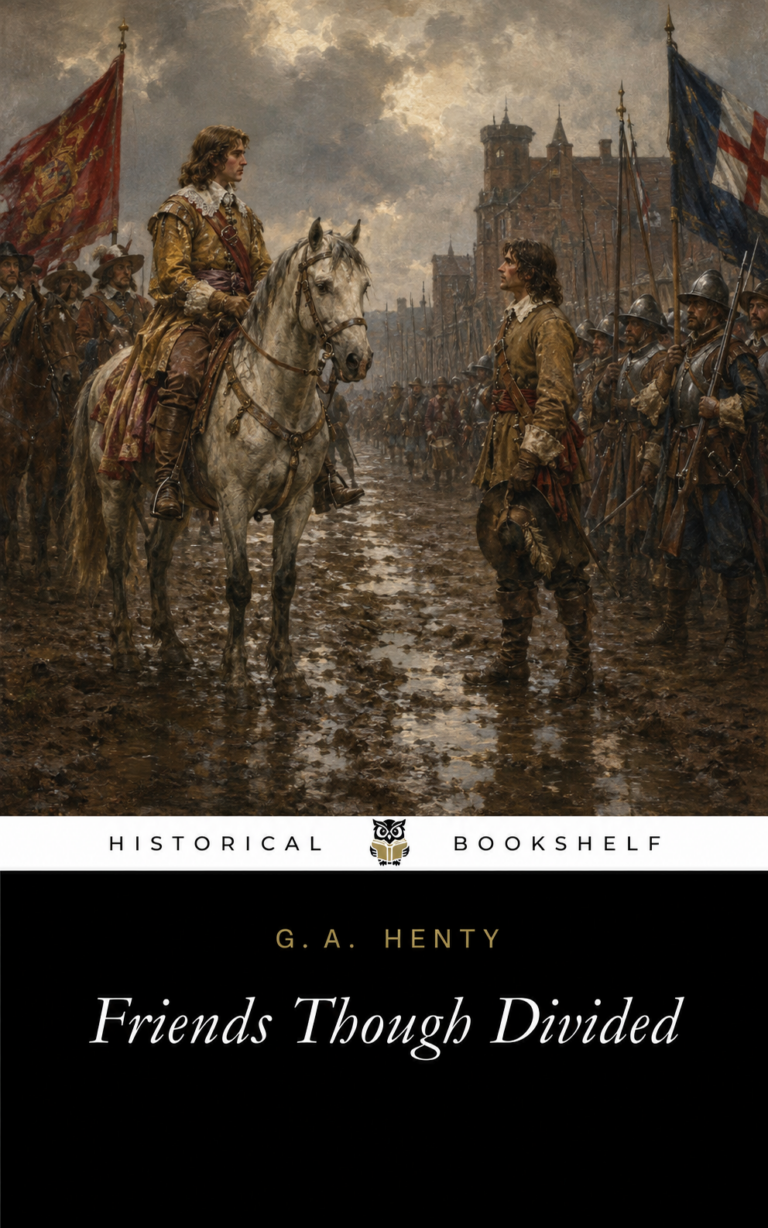
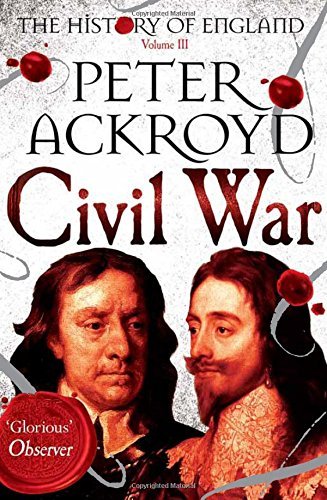
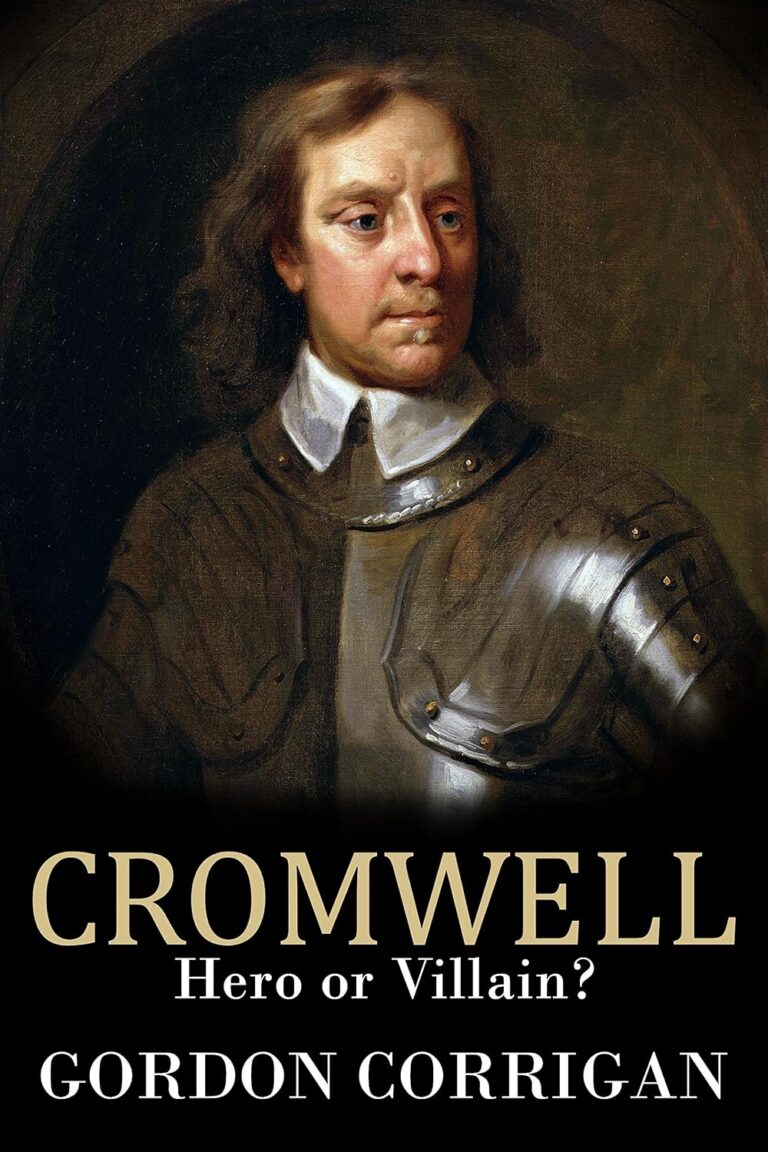
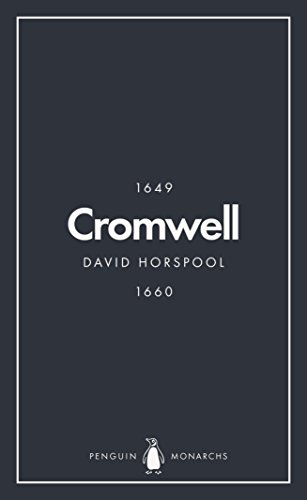
Gordon Corrigan’s Cromwell follows Oliver Cromwell from provincial parliamentarian to cavalry commander and Lord Protector, concentrating on the military qualities that made him indispensable to Parliament. Antonia Fraser’s Cromwell, Our Chief of Men broadens that story into a political biography of the regicide, republican ruler and deeply religious man whose power never fitted comfortably into a stable constitution. Peter Ackroyd’s Civil War places Cromwell inside the larger breakdown of Stuart monarchy, the king’s execution and the Commonwealth. G. A. Henty’s Friends Though Divided brings him into a fictional story of young men on opposing sides of the Civil War, while David Horspool’s Oliver Cromwell (Penguin Monarchs) reassesses the Protector’s reputation through the contradictions between revolutionary war, republican government and personal rule.