Erwin Rommel was a German army officer who gained fame in the First World War and commanded armoured forces in France and North Africa during the Second. As leader of the Afrika Korps he developed a reputation for mobile warfare and personal boldness, though the campaign also depended on Axis occupation and supply systems. In 1944 he commanded defences in France.
Rommel's reputation rested particularly on the rapid manoeuvre warfare of the North African campaign, although chronic supply shortages ultimately limited Axis operations there. In 1944 he was responsible for strengthening German defences in northern France and was badly wounded by an Allied air attack. After officers connected with the July plot implicated him, Hitler forced Rommel to take poison in October 1944 in return for protection for his family and a public state funeral.
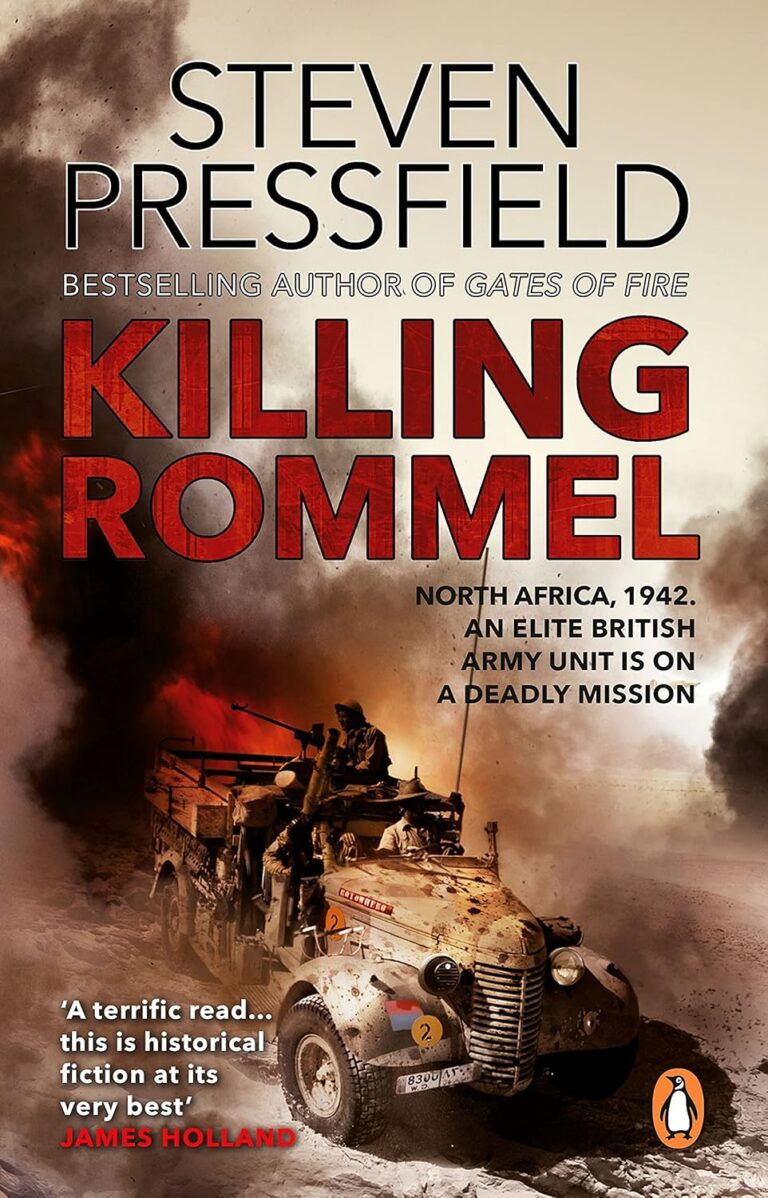
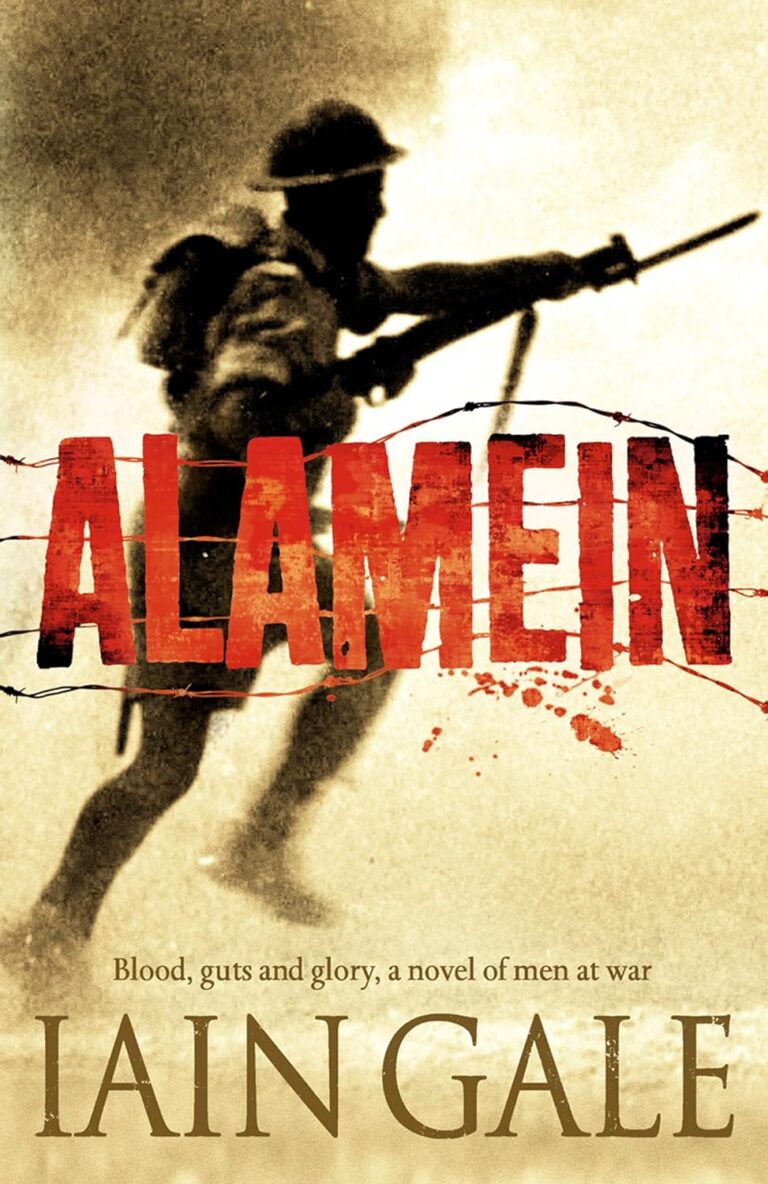
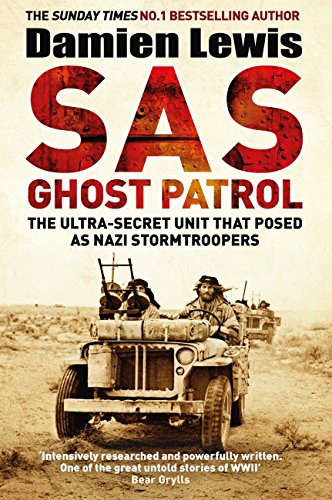
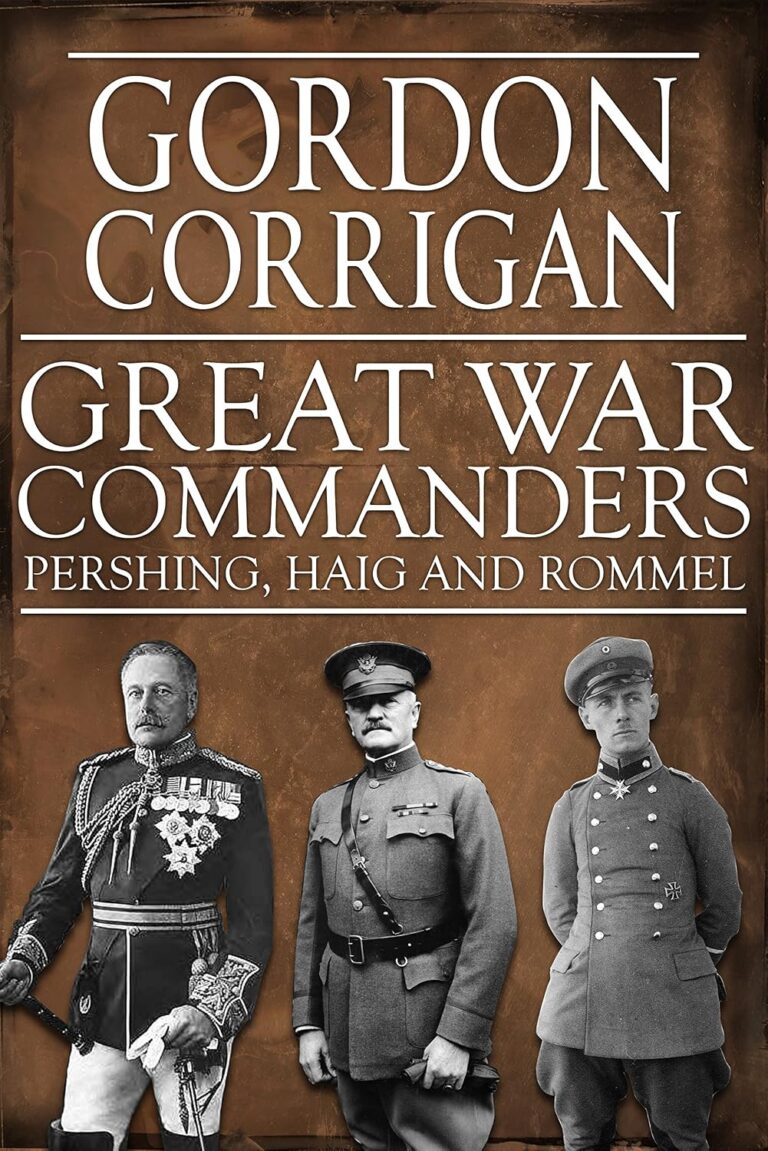
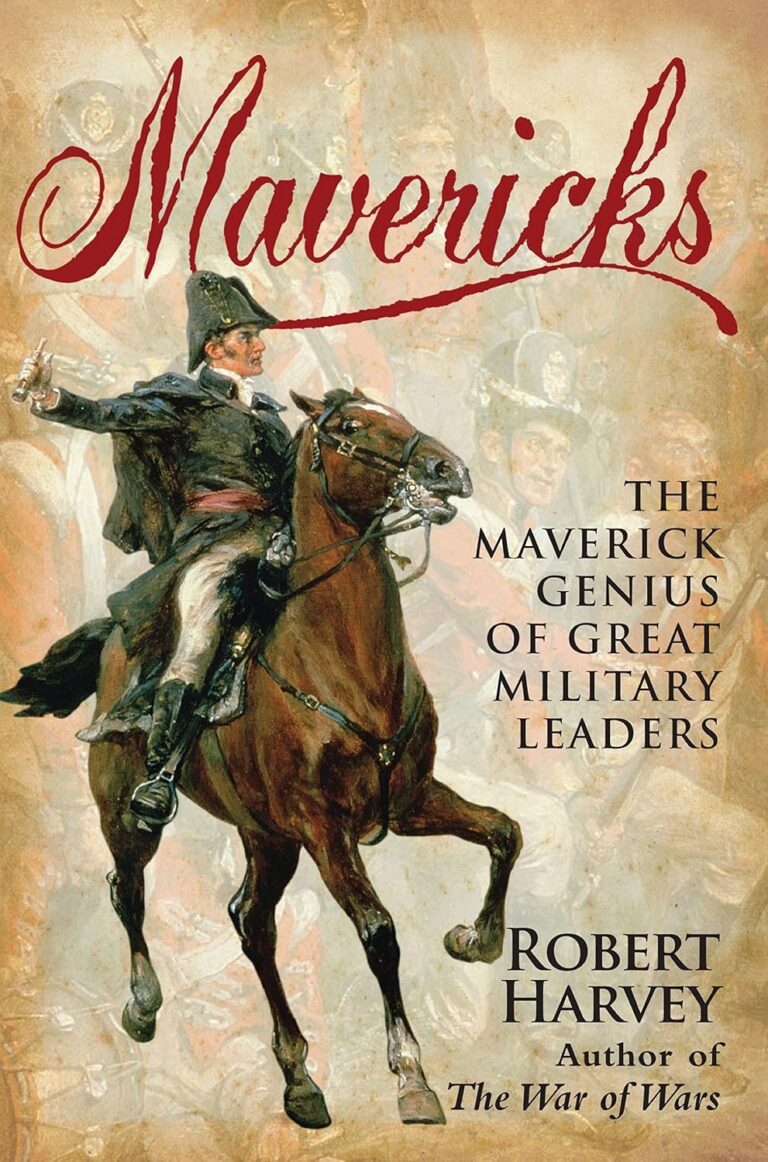
Walter S. Zapotoczny Jr.’s After Dunkirk follows the German campaign in France into the operational world in which Erwin Rommel’s 7th Panzer Division gained its reputation for speed and surprise. R. G. Grant’s Great War Commanders assesses Rommel among modern commanders whose reputations were built through battlefield leadership and later myth. Robert Harvey’s Mavericks uses him as an example of the bold, unconventional commander, especially in North Africa. Damien Lewis’ SAS Ghost Patrol places British special forces against Rommel’s desert war and Axis supply network. Tunisgrad follows the final North African campaign after El Alamein, when Rommel’s army is forced west towards Tunisia and eventual defeat.