Margaret of Anjou was the French-born queen of Henry VI and became the most forceful Lancastrian leader during the Wars of the Roses. As Henry’s mental health failed, she defended the inheritance of their son Edward and opposed Richard, Duke of York. After repeated battles, exile and a brief Lancastrian restoration, her forces were defeated at Tewkesbury in 1471 and her son was killed.
Margaret became the most forceful political defender of her husband Henry VI and their son Edward of Westminster as Henry's illness weakened Lancastrian government. She helped organise resistance to the Yorkist faction, spent periods in Scotland and France seeking support and returned during the Lancastrian restoration of 1470–71. Defeat at Tewkesbury, where her son was killed, ended her political cause; she later returned to France and died there in 1482.
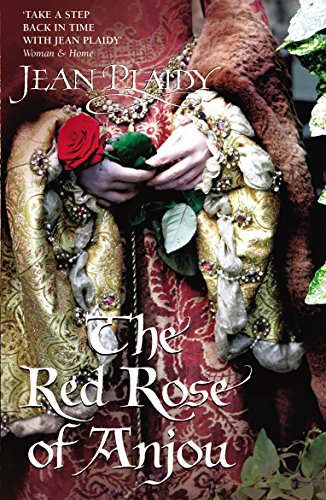
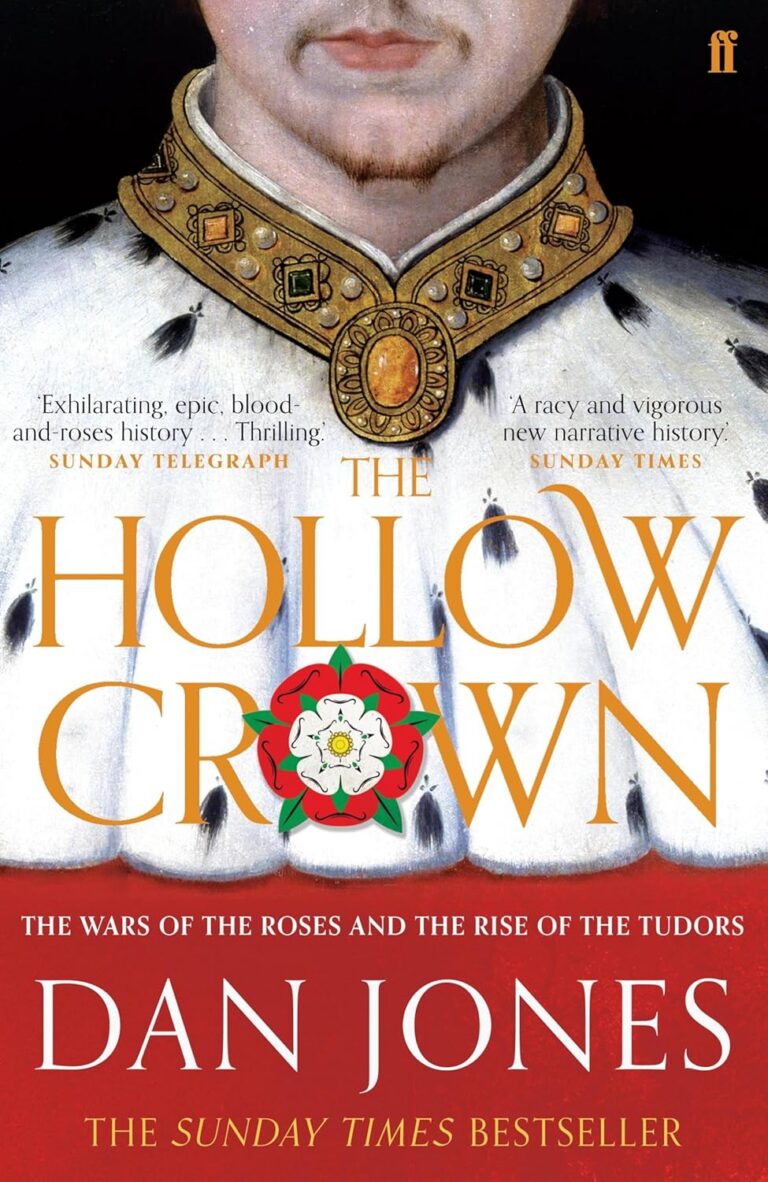
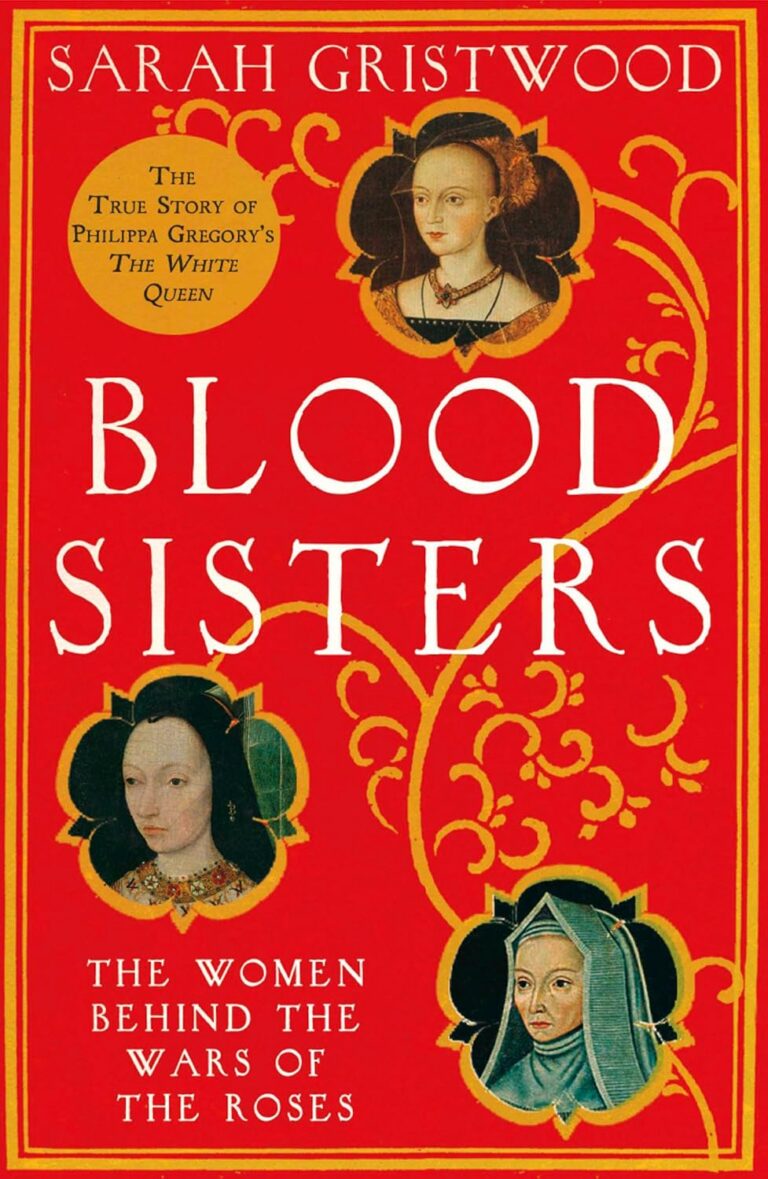
Sarah Gristwood’s Blood Sisters follows Margaret of Anjou, Cecily Neville, Margaret Beaufort, Elizabeth Woodville, Elizabeth of York, Anne Neville and Margaret of York as they navigated deposition, sanctuary, widowhood and shifting dynastic allegiance. Dan Jones’ The Hollow Crown follows Henry VI, Margaret of Anjou, Edward IV, Warwick, Richard III and the families whose shifting alliances turned disputes over government into the Wars of the Roses. Further fictional perspectives on Margaret of Anjou can be found in Jean Plaidy’s Red Rose of Anjou, Amy Licence’s Son of York (House of York), and Philippa Gregory’s The Lady of the Rivers. For broader historical treatment of Margaret of Anjou, see Alison Weir’s Lancaster and York and Alison Weir’s Queens at War.