Margaret Beaufort was the daughter of John Beaufort, Duke of Somerset, and became the mother of Henry Tudor at the age of thirteen. Widowed during the Wars of the Roses, she navigated successive Yorkist regimes while preserving her son’s remote claim to the throne. Her alliance with Elizabeth Woodville helped support Henry’s invasion and marriage.
Margaret's dynastic importance increased during the Wars of the Roses as the prospects of her only son, Henry Tudor, rose. She helped sustain his claim while he was in exile and participated in political negotiations that preceded his victory in 1485. After Henry VII became king she exercised considerable influence, endowed religious and educational institutions and became a major patron of Cambridge colleges and printing.
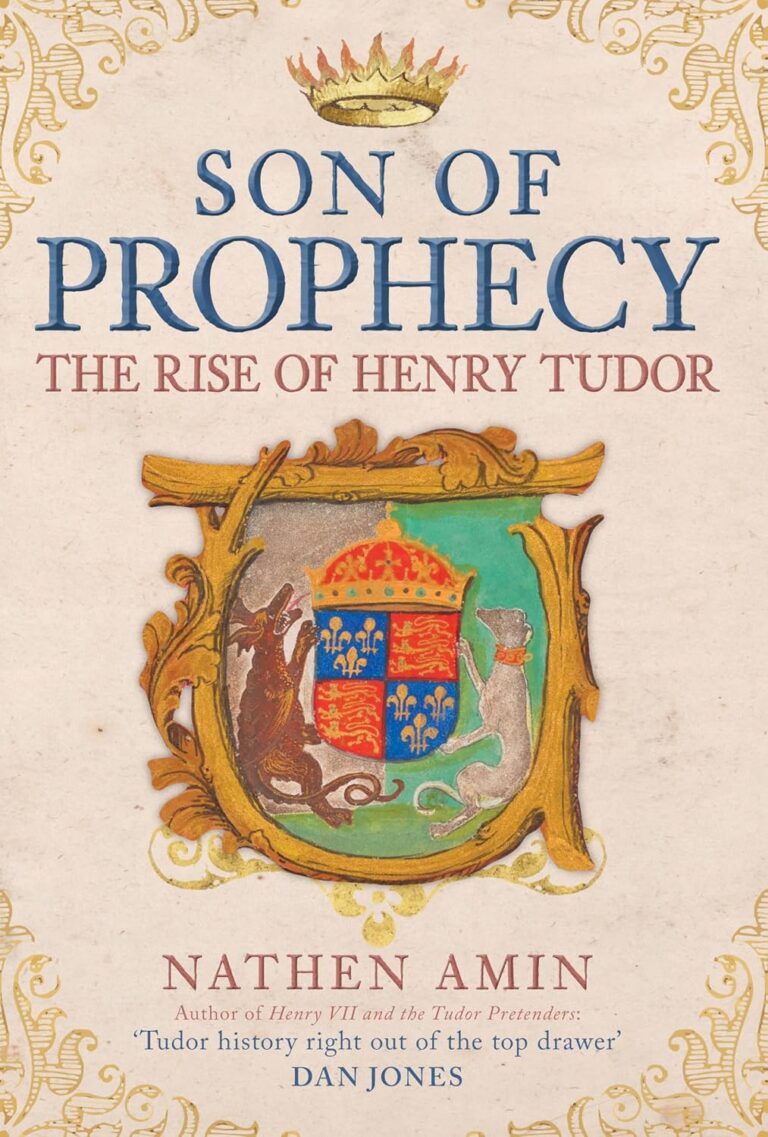
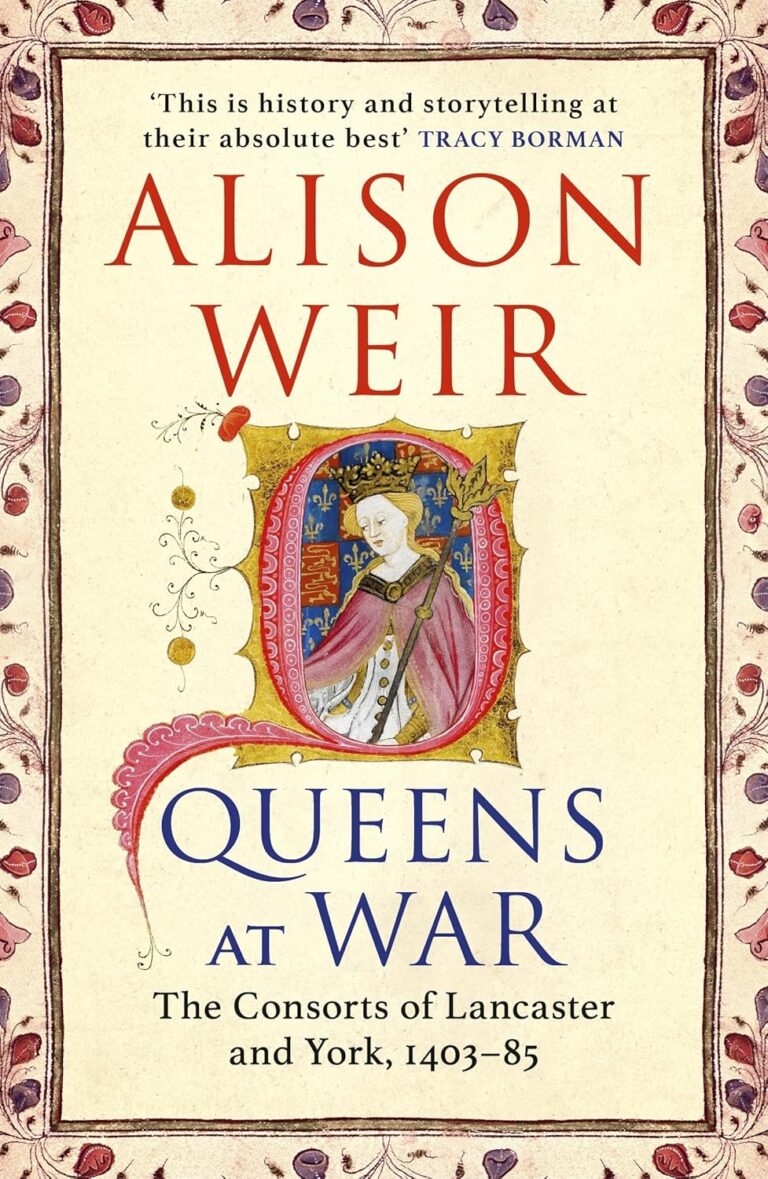
Sarah Gristwood’s Blood Sisters follows Margaret of Anjou, Cecily Neville, Margaret Beaufort, Elizabeth Woodville, Elizabeth of York, Anne Neville and Margaret of York as they navigated deposition, sanctuary, widowhood and shifting dynastic allegiance. Nathen Amin’s Son of Prophecy begins with the Tudors of Penmynydd and follows Owen Tudor’s relationship with the widowed queen Catherine of Valois, the advancement of their sons Edmund and Jasper, and the marriage of Edmund to Margaret Beaufort. Further fictional perspectives on Margaret Beaufort can be found in Paul Doherty’s Dark Queen Waiting and Paul Doherty’s Dark Queen Wary. For broader historical treatment of Margaret Beaufort, see Nathen Amin’s The House of Beaufort, Leanda de Lisle’s Tudor, and Alison Weir’s Queens at War.