Elizabeth Woodville was the daughter of Richard Woodville and Jacquetta of Luxembourg and was first married to the Lancastrian knight John Grey, who was killed in 1461. Her secret marriage to the Yorkist king Edward IV in 1464 was politically explosive because Edward had chosen an English widow without the diplomatic alliance expected of a royal marriage. As queen, Elizabeth advanced a large Woodville kinship network through marriages and offices, provoking resentment among nobles who feared the family’s influence.
After Edward IV died in 1483, Elizabeth took sanctuary at Westminster while her brother Anthony Woodville was executed and her sons Edward V and Richard of Shrewsbury disappeared after being lodged in the Tower. Richard III declared her marriage invalid, but Elizabeth later aligned herself with Margaret Beaufort and supported the proposed marriage of her daughter Elizabeth of York to Henry Tudor. Henry’s victory at Bosworth restored her daughters’ status, and Elizabeth of York became queen in 1486. The dowager queen eventually retired to Bermondsey Abbey and died in 1492.
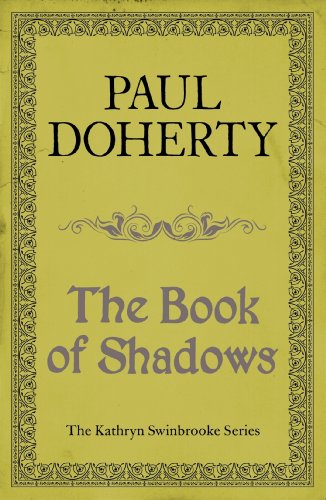
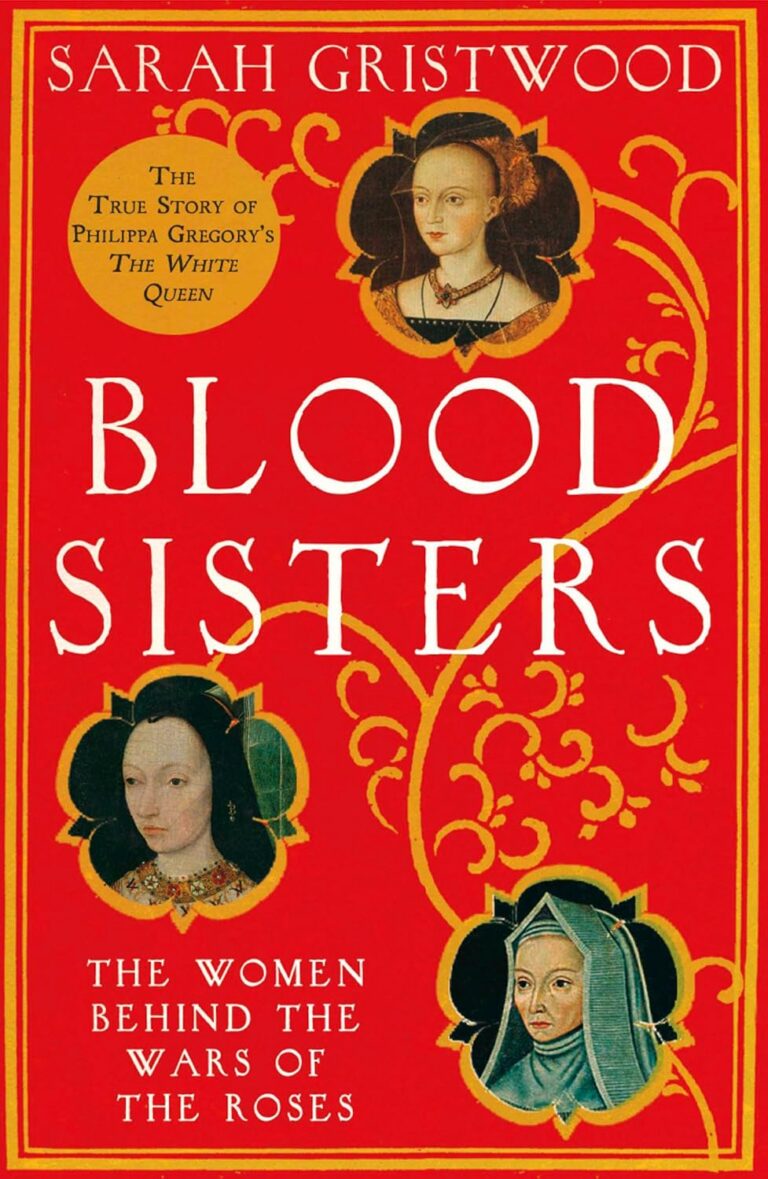
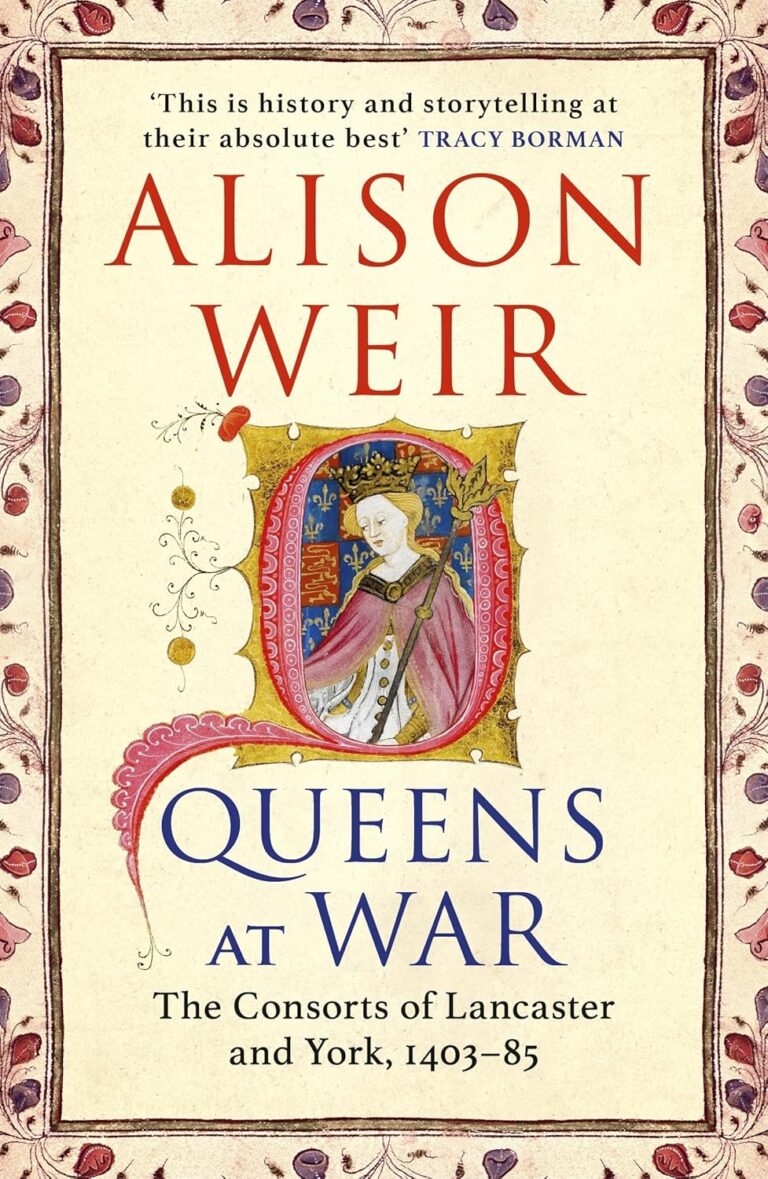
Sarah Gristwood’s Blood Sisters treats Elizabeth Woodville as one of the women whose marriage, maternity and household politics altered the course of the Wars of the Roses, while Alison Weir’s Queens at War follows her through queenship, sanctuary and the disappearance of her sons. Jean Plaidy’s Sun in Splendour dramatises the marriage in which the widowed Elizabeth refuses Edward IV’s advances unless he makes her queen. Paul Doherty’s The Book of Shadows uses the violent Yorkist world of 1471 as the setting for Kathryn Swinbrooke’s investigation. Anne Easter Smith’s The King’s Grace shows the widowed queen after Bosworth, when the appearance of a claimant to be Richard of Shrewsbury forces her household to confront the unresolved fate of the Princes in the Tower.