Anne Neville was the younger daughter of Richard Neville, Earl of Warwick, the powerful magnate remembered as the “Kingmaker”, and Anne Beauchamp. Her childhood was inseparable from the dynastic struggles of the Wars of the Roses. In 1470, when Warwick temporarily allied with the Lancastrians against Edward IV, Anne married Edward of Westminster, the only son of Henry VI and Margaret of Anjou. She was widowed after Edward was killed following the Battle of Tewkesbury in 1471.
Anne later married Richard, Duke of Gloucester, Edward IV’s brother, and lived with him chiefly in northern England. Their only surviving child, Edward of Middleham, died in 1484. When Richard seized the throne as Richard III in 1483, Anne was crowned queen beside him at Westminster Abbey. Her own political agency is difficult to reconstruct because the evidence is sparse and filtered through later dynastic narratives. She died at Westminster in March 1485, only months before Richard was defeated and killed at Bosworth.
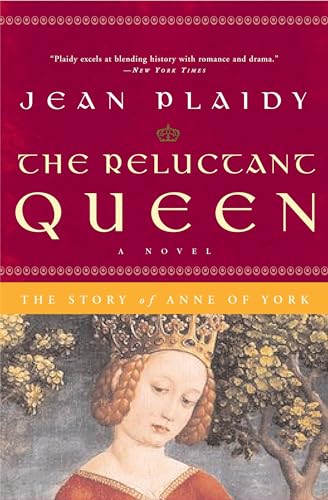
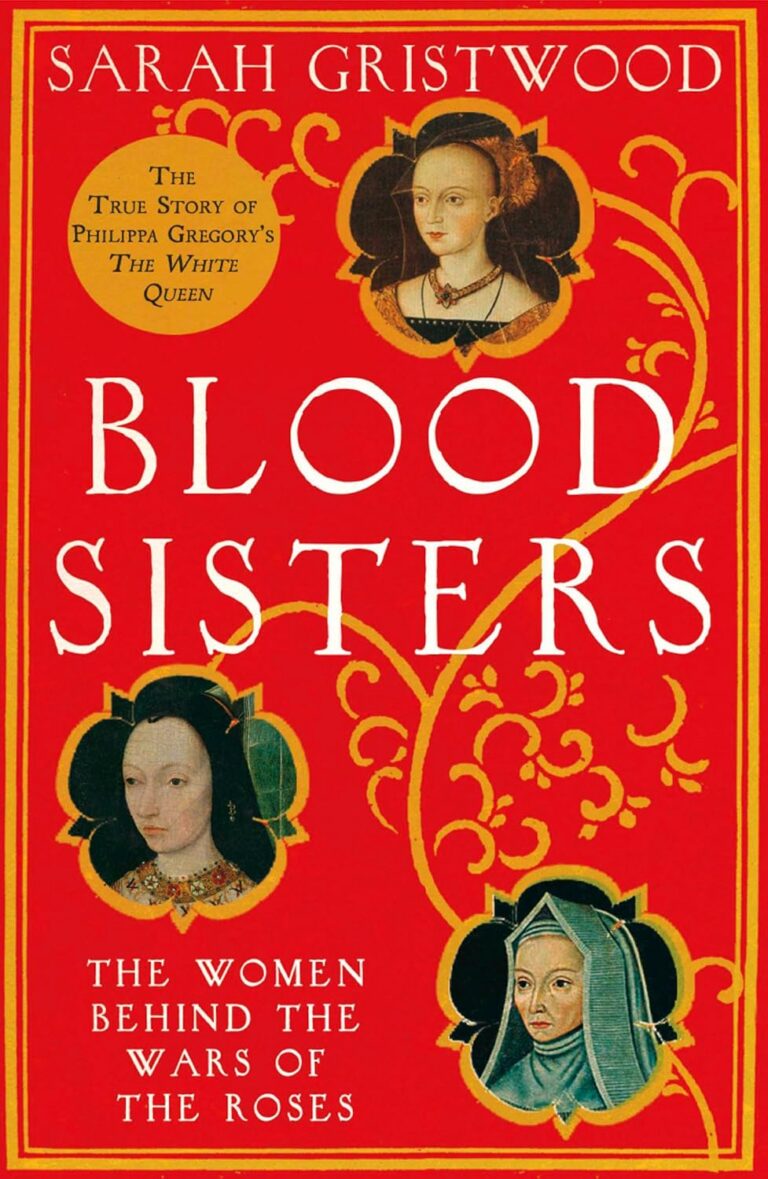
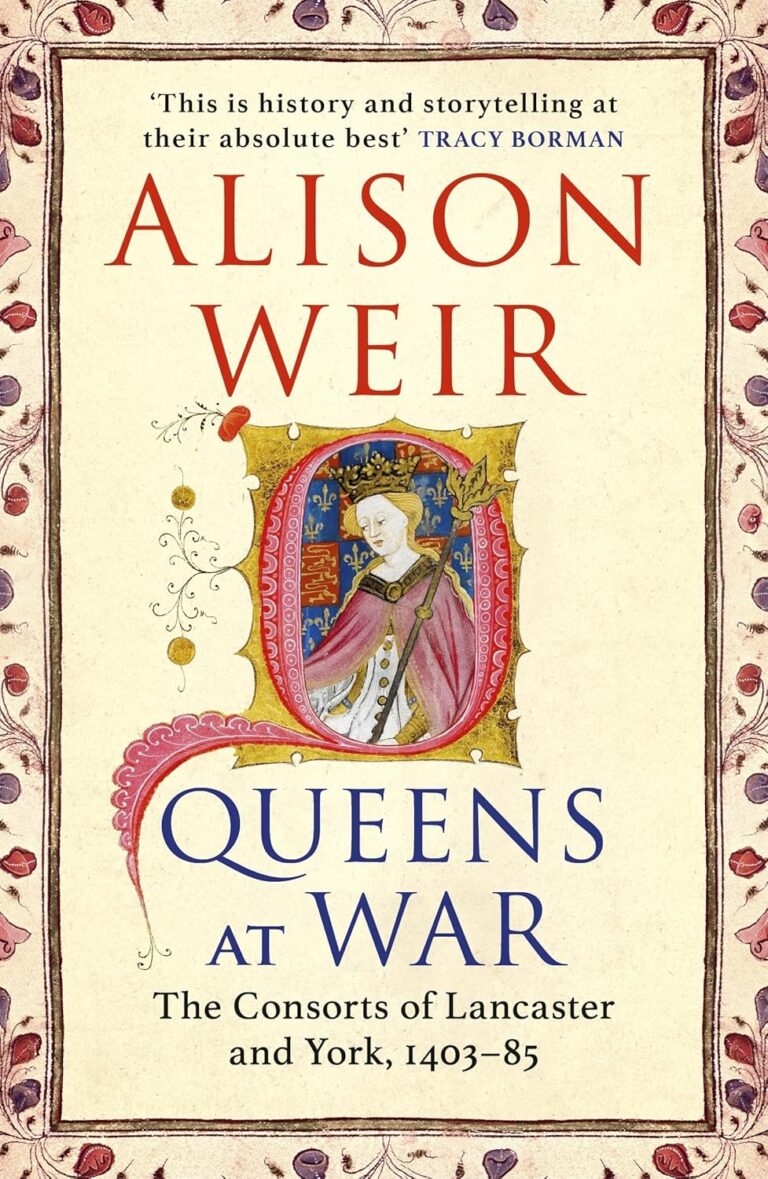
Sarah Gristwood’s Blood Sisters and Alison Weir’s Queens at War place Anne Neville among the women whose marriages, inheritances and family loyalties shaped the Wars of the Roses. Sharon Kay Penman’s The Sunne in Splendour follows Anne from the Kingmaker’s household into marriage with Richard of Gloucester and queenship beside Richard III. Philippa Gregory’s The Kingmaker’s Daughter tells the conflict more directly through Anne and her sister Isabel, while Jean Plaidy’s The Reluctant Queen focuses on Anne’s movement from political pawn to consort during the final Yorkist crisis.