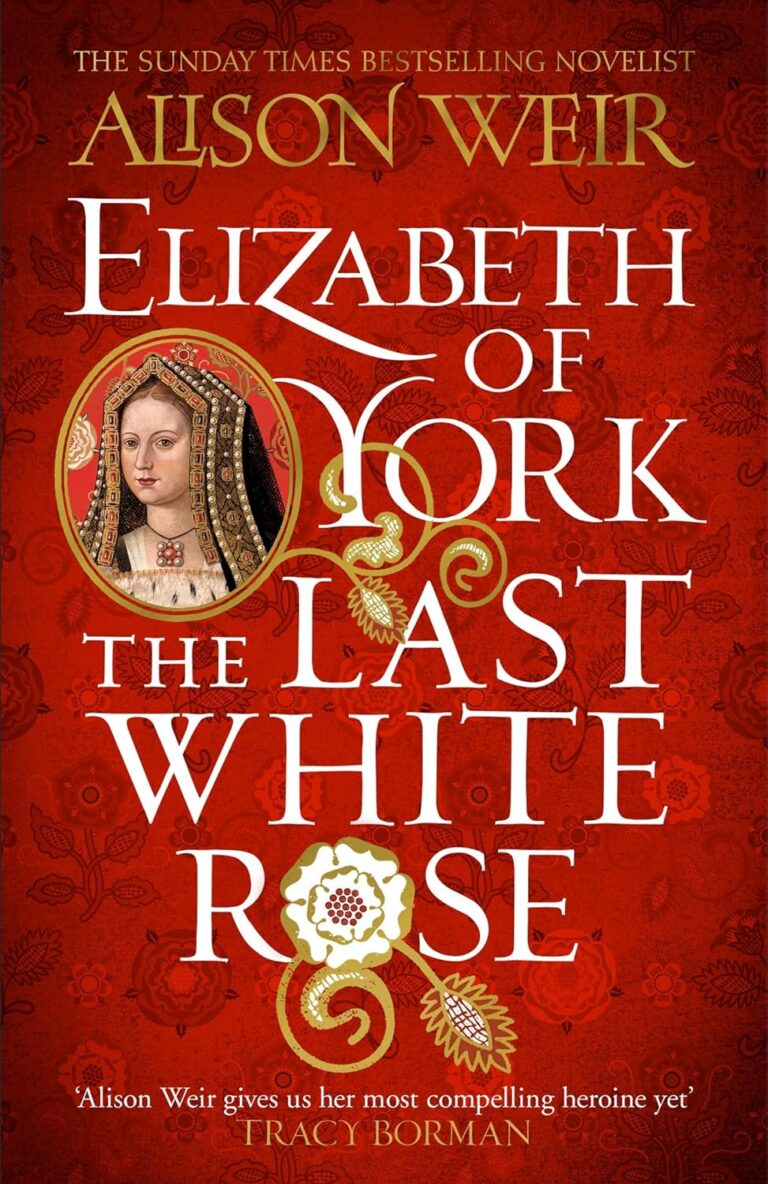
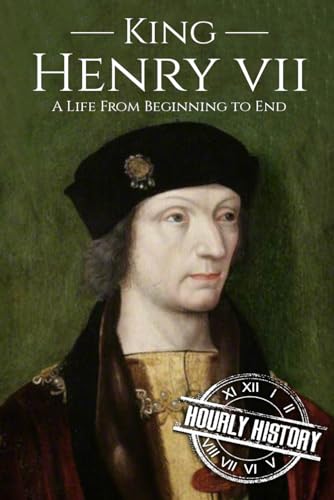
Henry VII defeated Richard III at Bosworth in 1485 and founded the Tudor dynasty. His marriage to Elizabeth of York helped reconcile rival claims, but his reign faced rebellions and pretenders including Lambert Simnel and Perkin Warbeck.
Henry strengthened royal finance, used bonds and recognisances to control nobles and pursued cautious diplomacy and dynastic marriages. He died in 1509, leaving a secure throne and substantial treasury to Henry VIII. Henry VII was born in Pembroke Castle and died in Richmond Palace.
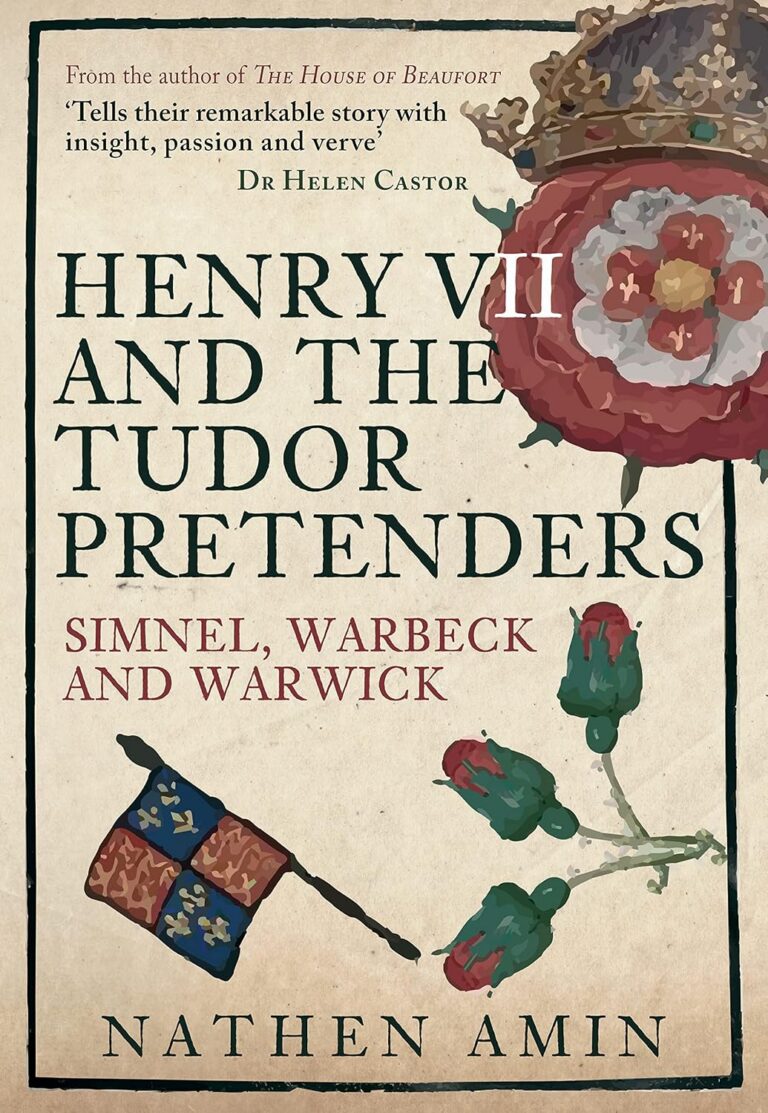
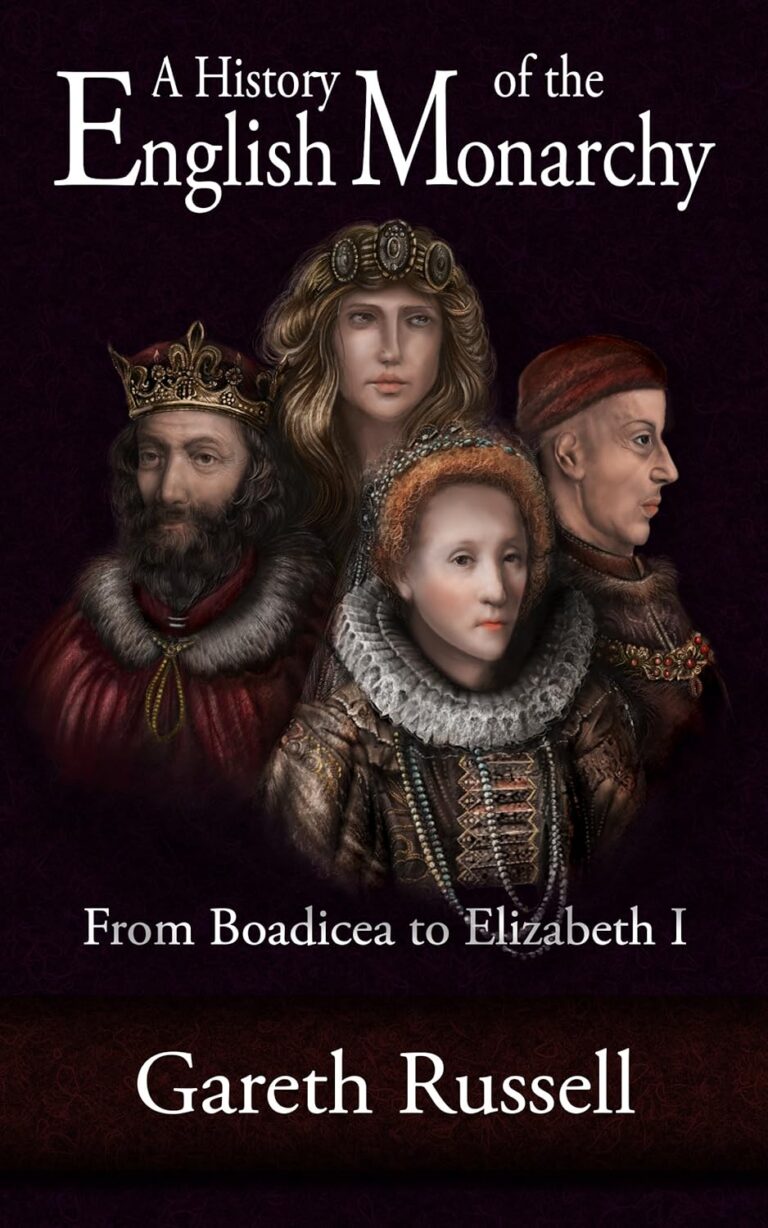
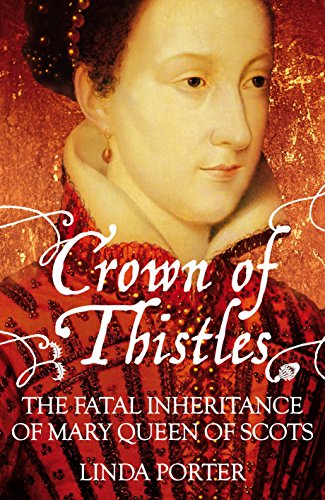
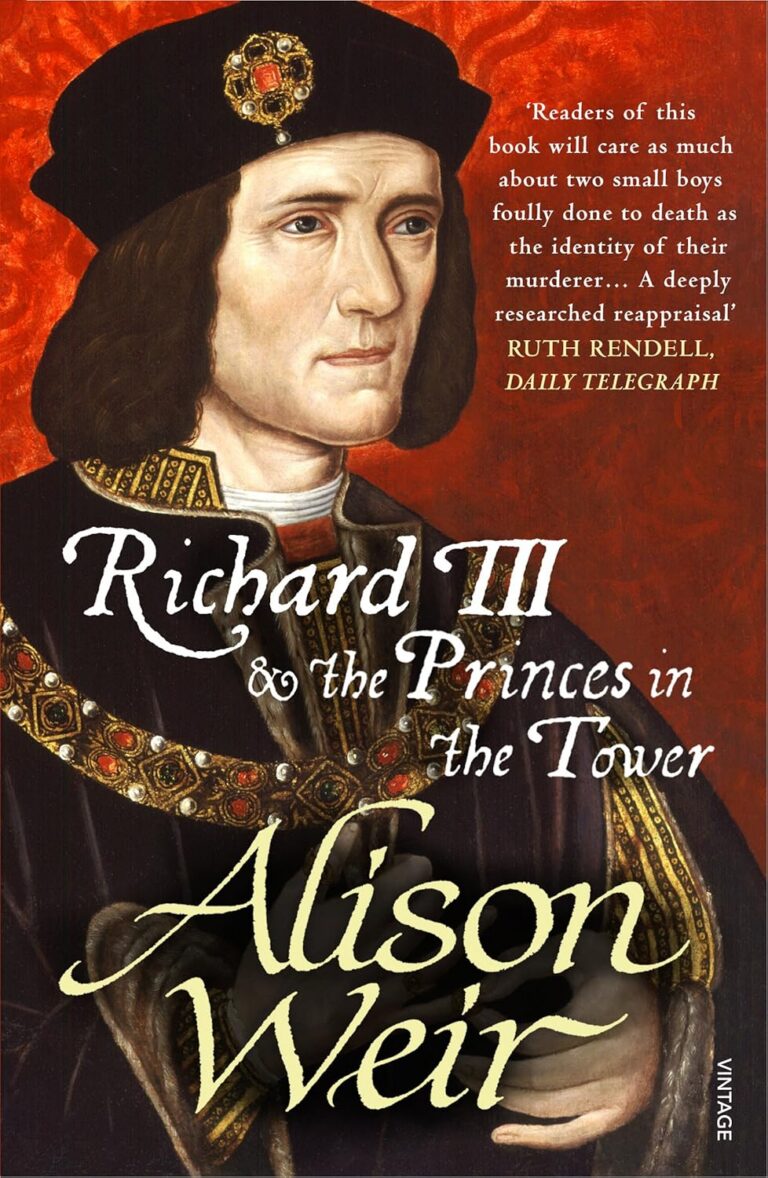
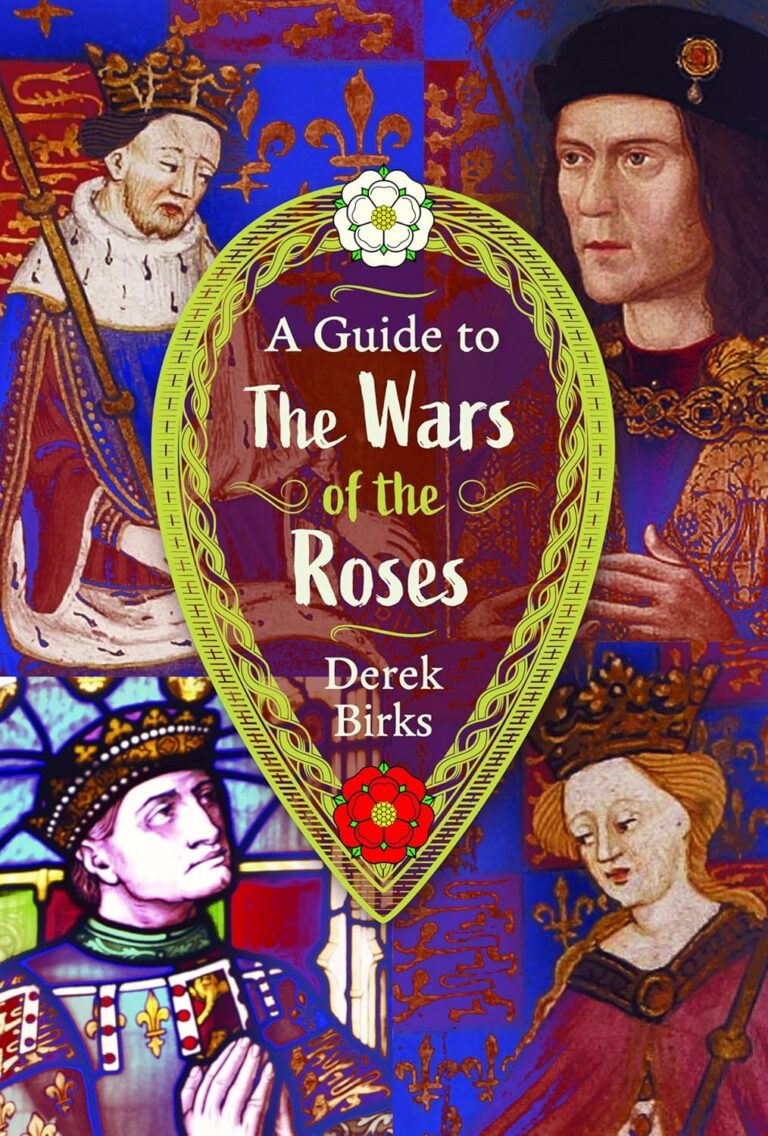
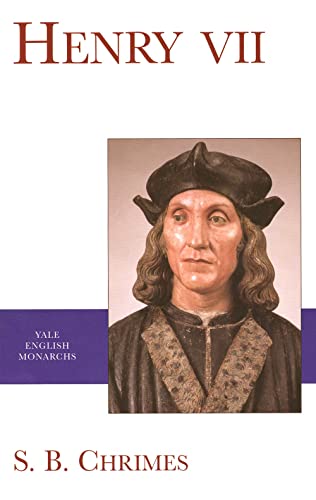
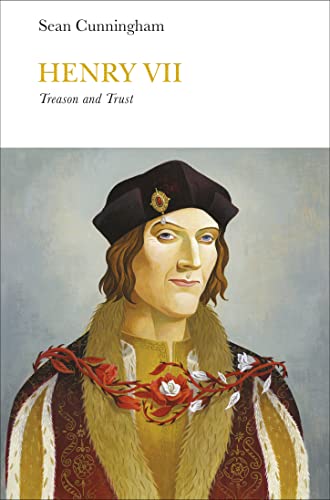
Derek Birks’ A Guide to the Wars of the Roses continues through Edward IV, the upheavals of 1483, Richard III and Bosworth, before considering the settlement under Henry VII and the ways later history has reshaped the reputations of the leading participants. In Gareth Russell’s A History of the English Monarchy, Henry VIII’s religious revolution and Elizabeth I’s management of a divided kingdom form the conclusion to a survey concerned not only with individual monarchs but with the institution they repeatedly remade. Additional non-fiction treatment of Henry VII comes from Linda Porter’s Crown of Thistles, Peter Ackroyd’s Foundation, S. B. Chrimes and Timothy Bolton’s Henry VII, Sean Cunningham’s Henry VII (Penguin Monarchs), and Nathen Amin’s Henry VII and the Tudor Pretenders.