Perkin Warbeck was a pretender to the English throne during the reign of Henry VII who claimed to be Richard of Shrewsbury, Duke of York, the younger of the two Princes in the Tower. From the early 1490s his claim attracted support from enemies of the Tudor monarchy, including Margaret of Burgundy and James IV of Scotland.
Warbeck attempted several invasions of England and eventually joined a rising in Cornwall in 1497, but he surrendered and confessed that he was not the lost prince. After attempting to escape royal custody he was executed at Tyburn in 1499.
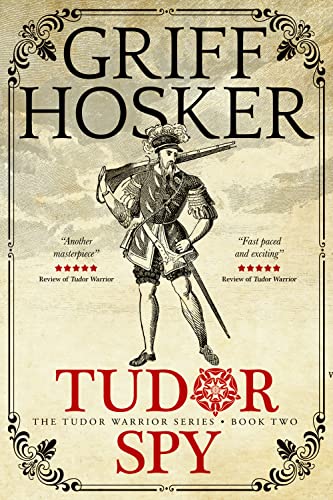
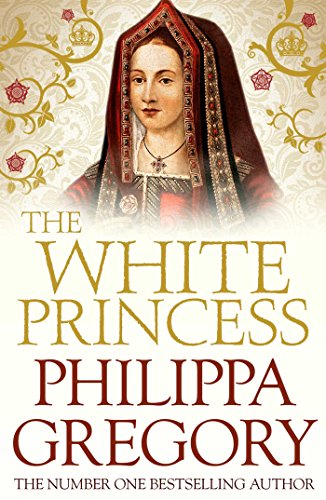
Nathen Amin’s Henry VII and the Tudor Pretenders places Perkin Warbeck at the centre of the prolonged Yorkist challenge to Henry VII, tracing the foreign support, dynastic uncertainty and repeated invasion attempts that made his claim dangerous. In Anne Easter Smith’s The King’s Grace, Grace Plantagenet investigates whether the claimant might truly be Richard of Shrewsbury, turning Warbeck’s identity into a family as well as a political question. Philippa Gregory’s The White Princess uses the same claim to divide Elizabeth of York between loyalty to her Tudor husband and the possibility that her brother survived the Tower. Sandra Worth’s The Pretender’s Wife follows the cause through Catherine Gordon, who marries the man recognised in Scotland as Richard, Duke of York. In Tudor Spy, Warbeck’s execution is the event James of Ecclestone believes has ended his life in espionage, only for Henry VII to draw him back into royal service.