Richard of Shrewsbury was the second son of Edward IV and Elizabeth Woodville and the younger of the two boys remembered as the Princes in the Tower. Born in 1473, he was created Duke of York and married the heiress Anne Mowbray while still a child. After Edward IV died in April 1483, Richard’s elder brother Edward V was placed in the Tower of London under the authority of their uncle Richard, Duke of Gloucester; the younger Richard joined him there soon afterward.
In June 1483 the boys were declared illegitimate and their uncle became Richard III. They subsequently disappeared from public view, probably during the late summer or autumn, but no surviving contemporary evidence establishes exactly when or how either boy died. Later writers accused Richard III of ordering their murder, while alternative suspects and survival theories have also been proposed. The disappearance remains one of the best-known unresolved problems of late medieval English history, and certainty about the boys’ fate exceeds the evidence.
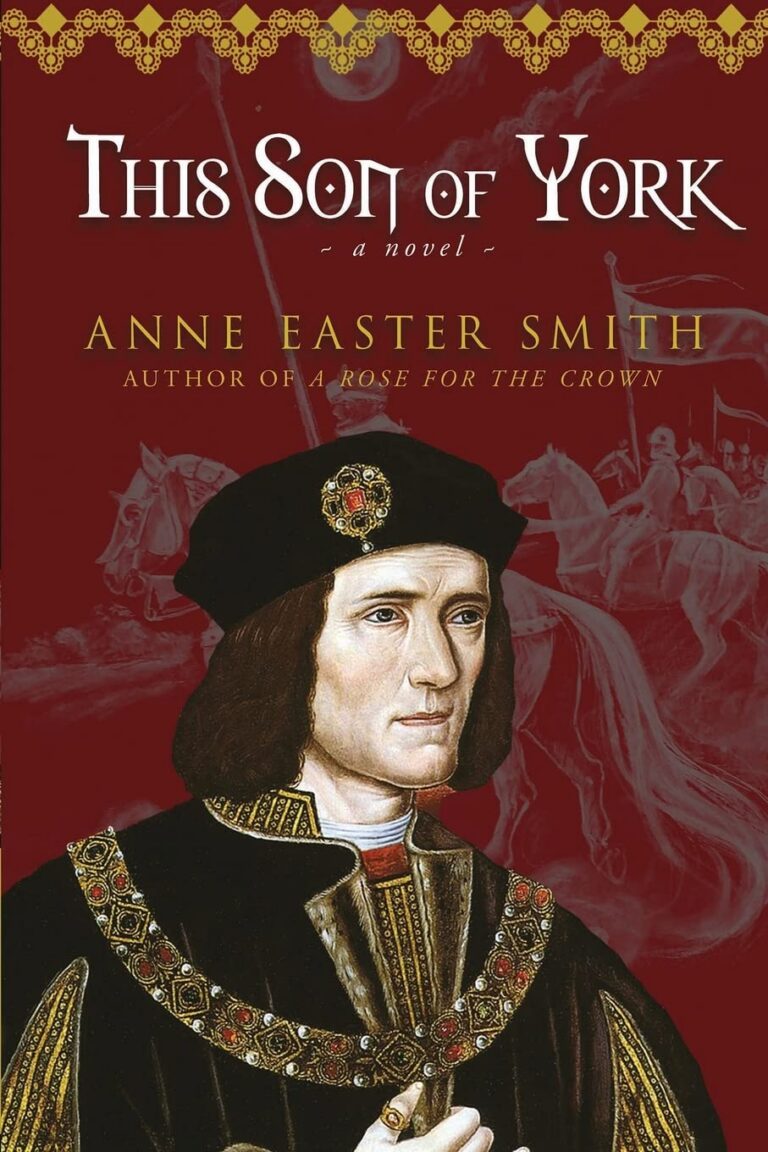
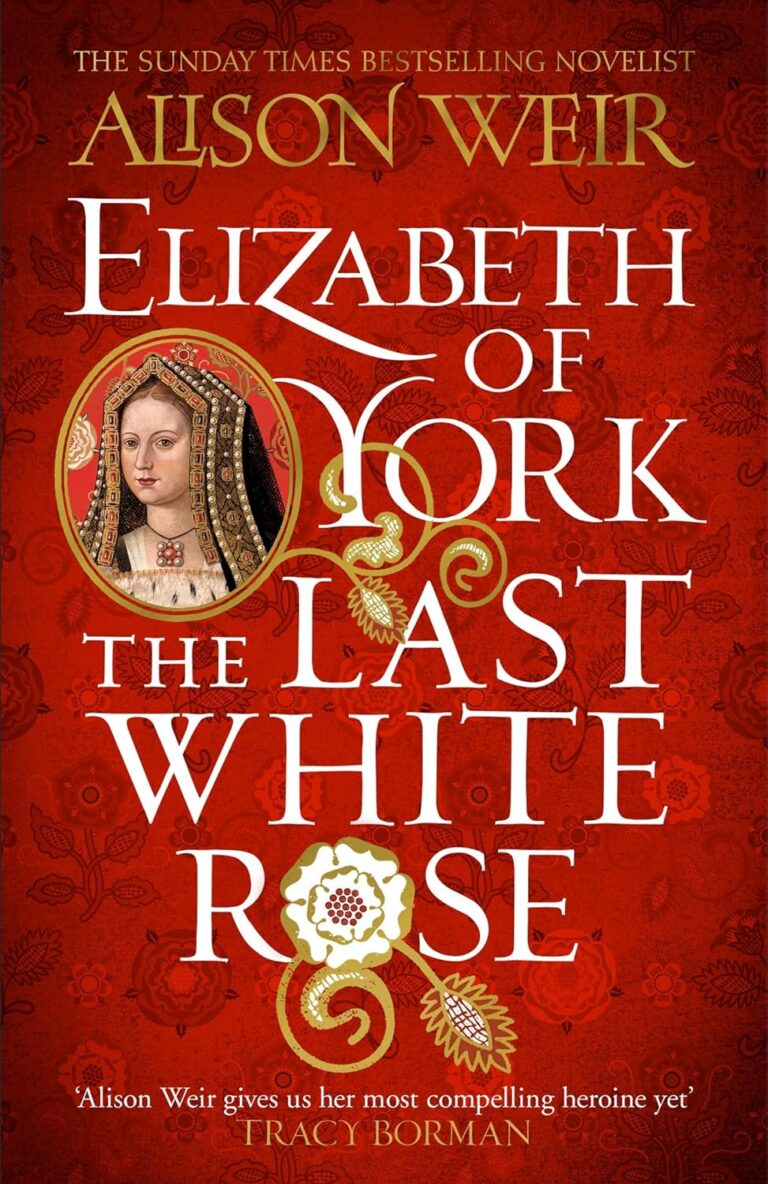
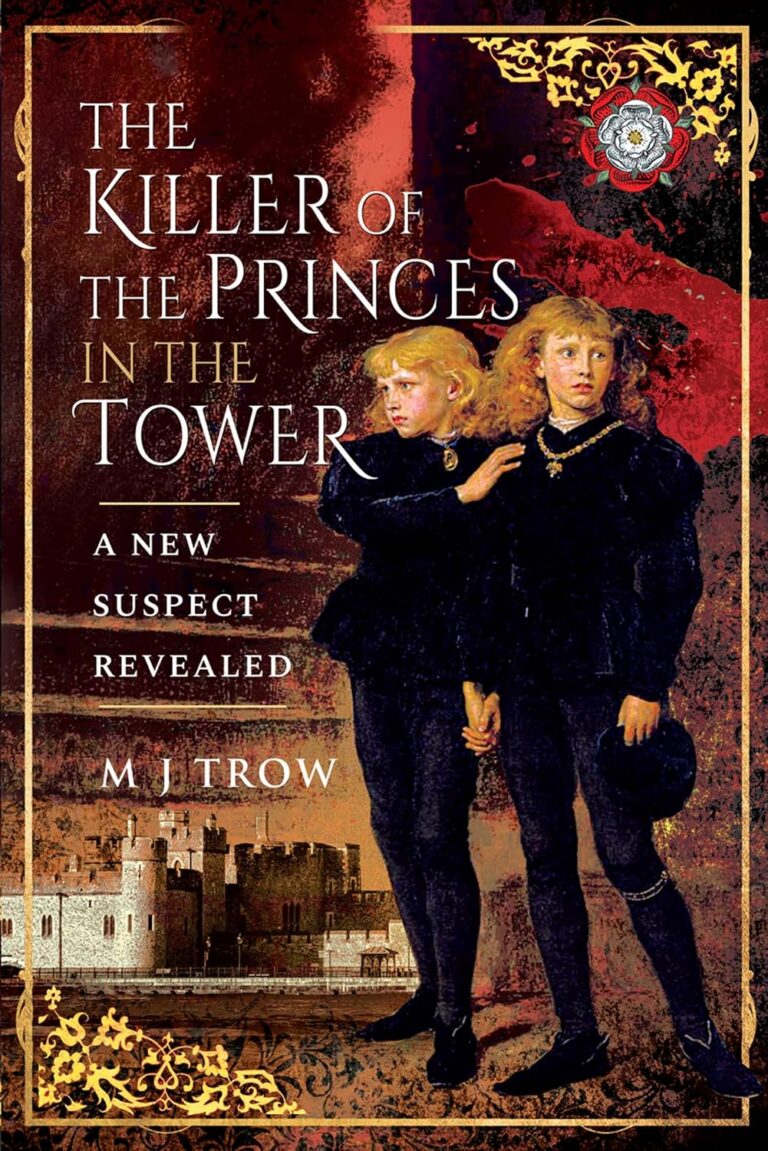
The mystery drives fiction such as Paul Doherty’s The Fate of Princes, Anne Easter Smith’s The King’s Grace, Philippa Gregory’s The White Queen and Alison Weir’s A Dangerous Inheritance. Shakespeare’s Richard III gives the traditional Tudor version of their murder. The linked non-fiction includes Weir’s The Princes in the Tower and Elizabeth of York, Thomas Penn’s The Brothers York and M. J. Trow’s The Killer of the Princes in the Tower.