Domitian was the younger son of Vespasian and the last emperor of the Flavian dynasty, ruling from 81 to 96 CE after the death of his brother Titus. He strengthened the imperial administration, took a close interest in taxation and coinage, sponsored major rebuilding in Rome and maintained active frontier policies on the Rhine and Danube. Military campaigns against the Chatti and conflicts involving Dacia shaped much of his reign, while he increasingly presented the emperor as the central source of political and religious authority.
Ancient senatorial authors such as Tacitus, Pliny the Younger and Suetonius depicted Domitian as suspicious, cruel and tyrannical, especially because of treason prosecutions and his tense relationship with the Senate. That hostile tradition strongly influenced his later reputation, although modern scholarship gives greater weight to the administrative competence and frontier strategy of his government. In September 96 he was assassinated in a palace conspiracy involving members of his household. The Senate condemned his memory, and Nerva succeeded him, beginning the sequence later called the adoptive emperors.
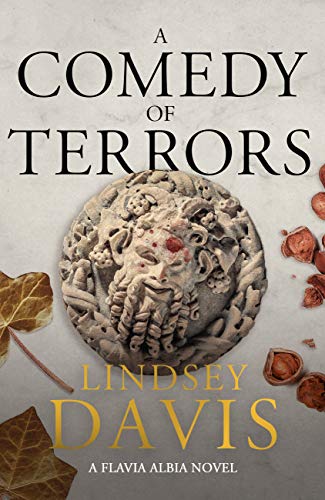
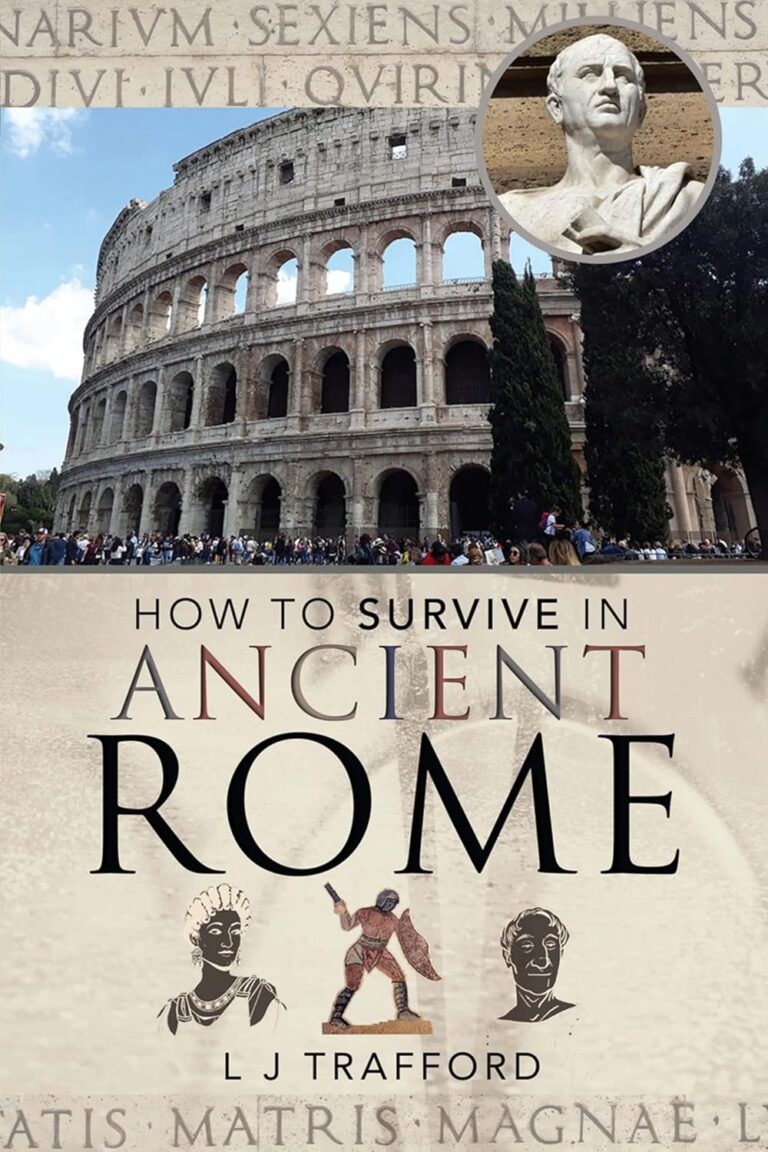
Simon Turney’s Domitian follows the emperor from the shadow of Vespasian and Titus into a reign increasingly marked by frontier pressure, conspiracy and fear. Lindsey Davis’s A Capitol Death places one of Falco’s later investigations inside preparations for Domitian’s double triumph over the Chatti and Dacians, while A Comedy of Terrors makes an imperial celebration the point at which organised crime threatens the emperor himself. Douglas Jackson’s Glory of Rome shows Agricola’s family trying to escape Domitian’s hostility even as renewed frontier violence drags them back into imperial service. L. J. Trafford’s How to Survive in Ancient Rome imagines ordinary life in the capital in AD 95, allowing Domitian’s government to shape the practical risks and expectations of the reader’s fictional day-to-day existence.