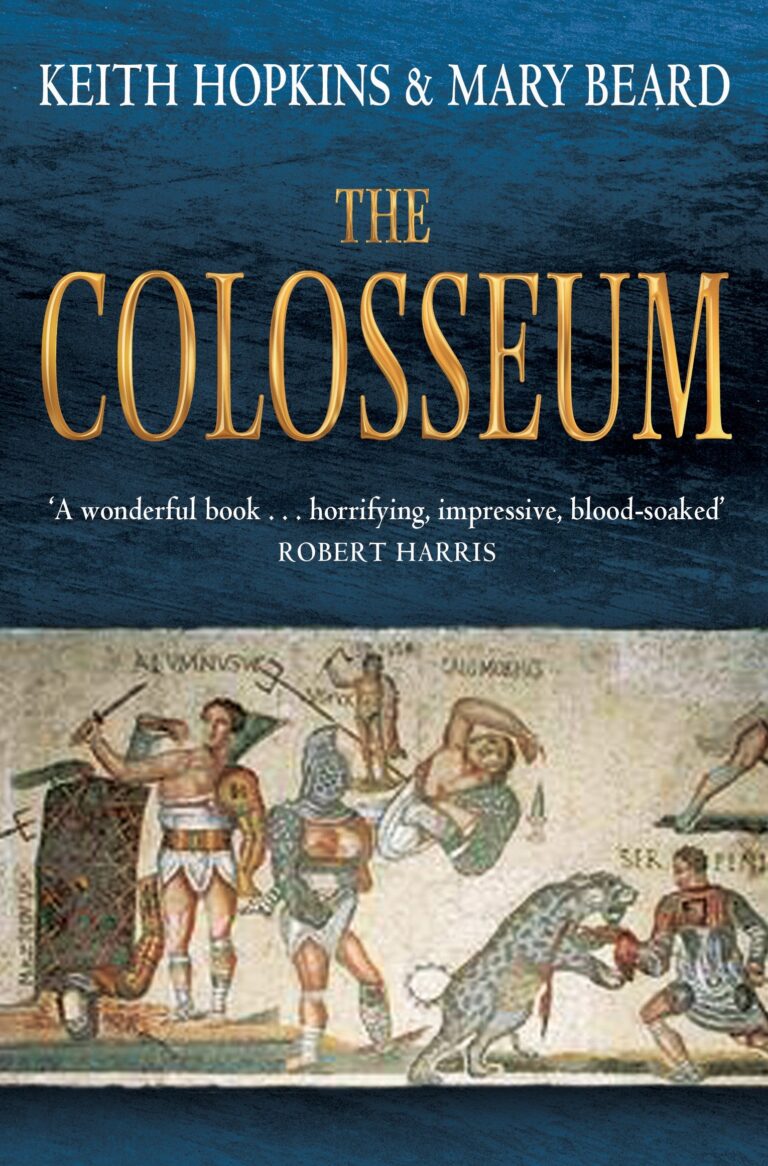
Titus was Roman emperor from AD 79 to 81 and son of Vespasian. Before becoming emperor he commanded in the Jewish War, and his brief reign included the eruption of Vesuvius and the opening of the Colosseum.
Titus was born in Rome and died in Aquae Cutiliae. Titus also held the offices or ranks of Augustus, Praetorian prefect, and Roman consul. Titus belonged to the Flavian dynasty; Flavii Sabini and operated within Ancient Rome.

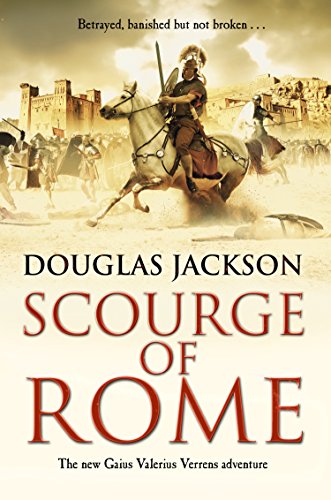
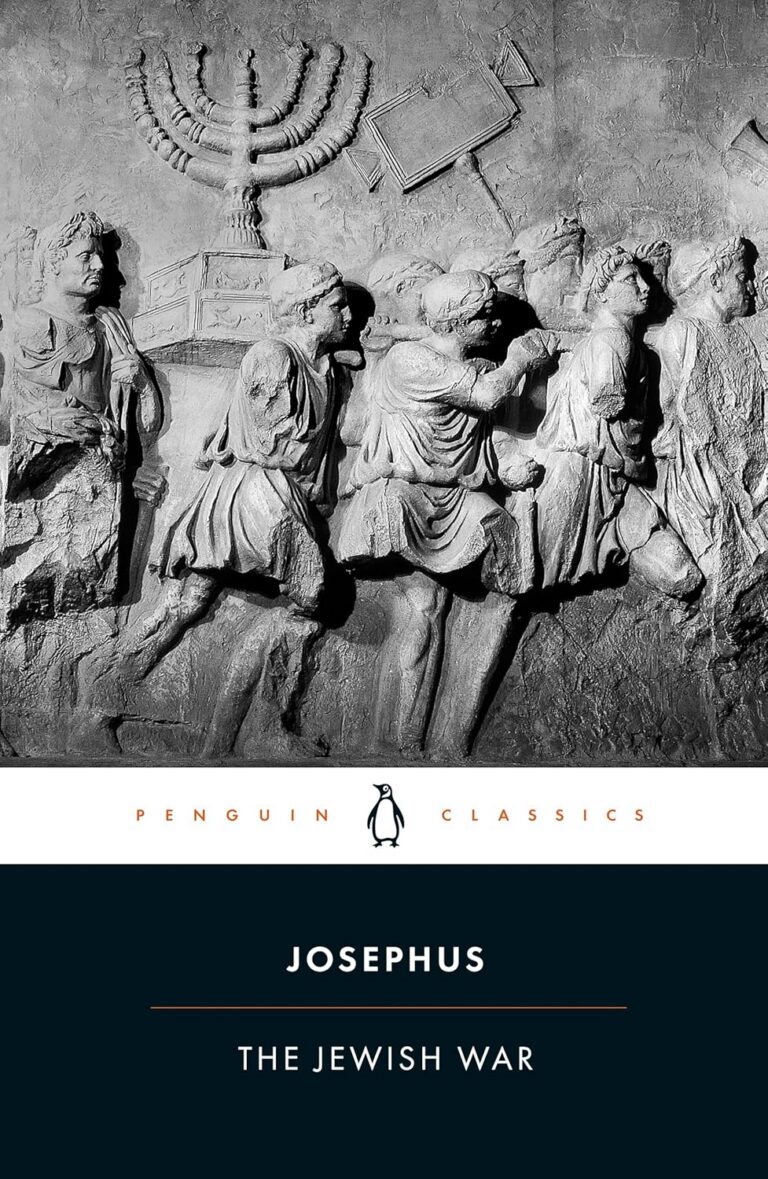
Josephus’ The Jewish War gives the principal historical account of Titus’s command during the siege of Jerusalem in 70 CE and the destruction of the Second Temple. G. A. Henty’s For the Temple places fictional participants inside that revolt while using Titus and Vespasian to connect the adventure to the documented Roman campaign. Douglas Jackson’s Scourge of Rome brings Valerius Verrens to Titus’s besieging army and presents the future emperor as a commander hardened by the demand for a decisive victory. Jackson’s Hammer of Rome then uses Vespasian’s death and Titus’s accession to change the political dangers facing Valerius at Rome. Elodie Harper’s The Temple of Fortuna places Titus on the throne after Vespasian, with his rule and the ambitions of Domitian shaping the risks surrounding Amara’s family.