Alexander the Great was king of Macedon from 336 to 323 BCE and the conqueror of the Achaemenid Persian Empire. The son of Philip II, he inherited a powerful Macedonian army and used it to overturn Persian rule from Asia Minor to Egypt before campaigning through Mesopotamia, Iran and into north-western India.
Alexander’s victories at the Granicus, Issus and Gaugamela destroyed the military position of Darius III and enabled him to claim the Persian kingship. His attempt to combine Macedonian and Persian elites created tensions within his army and court, and his death at Babylon in 323 BCE left no stable adult successor. His generals subsequently divided the empire, beginning the Hellenistic age.
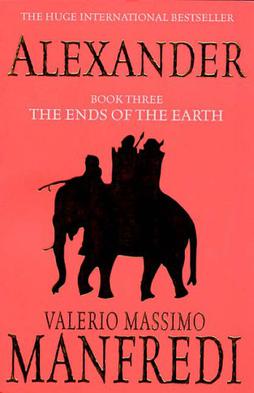
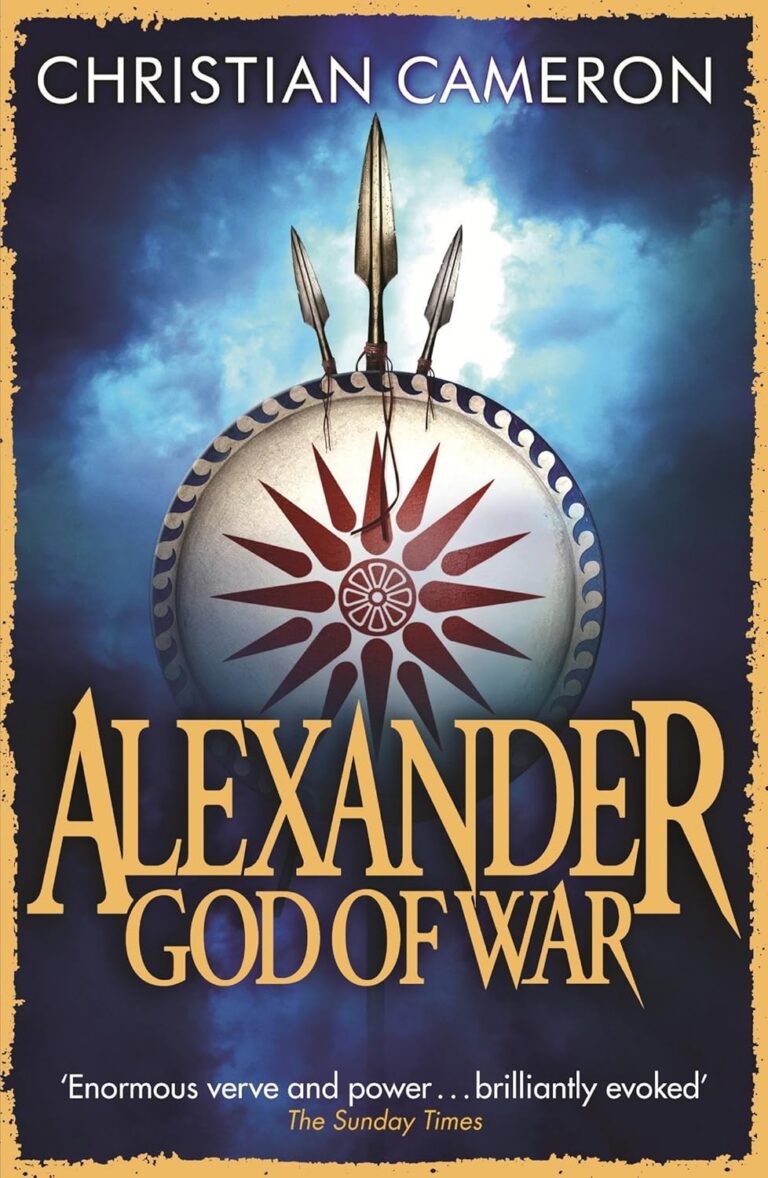
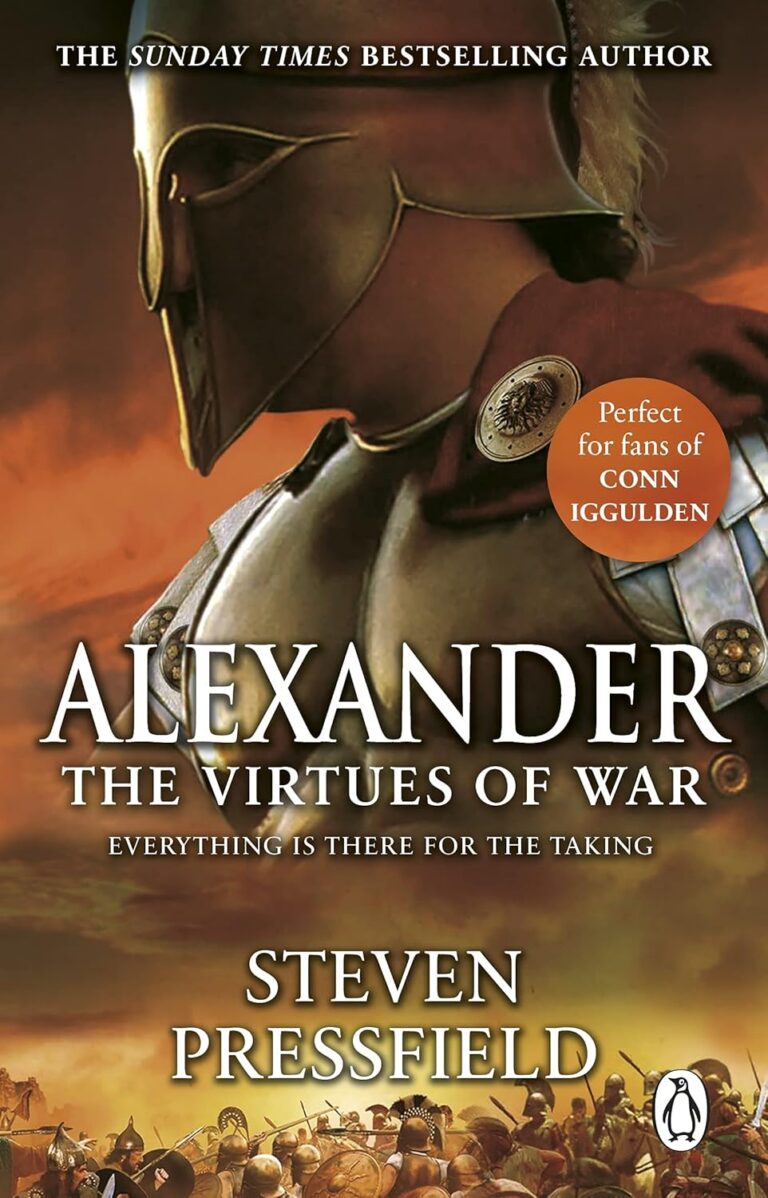
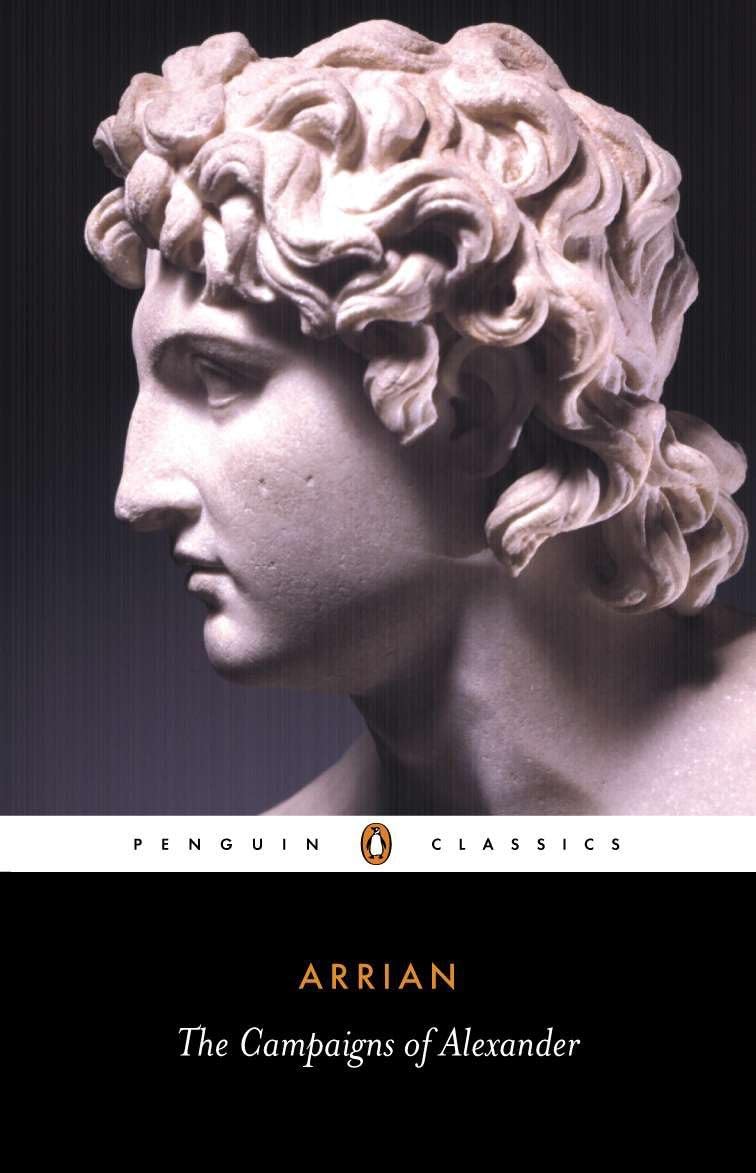
Steven Pressfield’s Alexander follows Alexander from Chaeronea through the conquest of the Persian Empire, the campaigns in Central Asia and India and the destructive return through the Gedrosian Desert. Christian Cameron’s Alexander retells the same career through Ptolemy, allowing a former companion to measure the king’s military brilliance against executions, fractured friendships and an increasing claim to divine status. Quintus Curtius Rufus’s The History of Alexander preserves one of the major ancient narrative traditions for the conquest, while Diodorus Siculus’s The Library, Books 16-20 carries the story from Philip II and Alexander into the wars of his successors. Mary Beard’s Confronting the Classics revisits Alexander as part of a broader examination of how modern readers interpret the ancient world, and Arrian’s The Campaigns of Alexander remains a key ancient narrative for the march from Asia Minor to India.