Pompey the Great was a Roman general and politician whose victories in the Mediterranean and east made him one of the republic’s most powerful men. He joined Caesar and Crassus in the First Triumvirate but later aligned with the senate against Caesar.
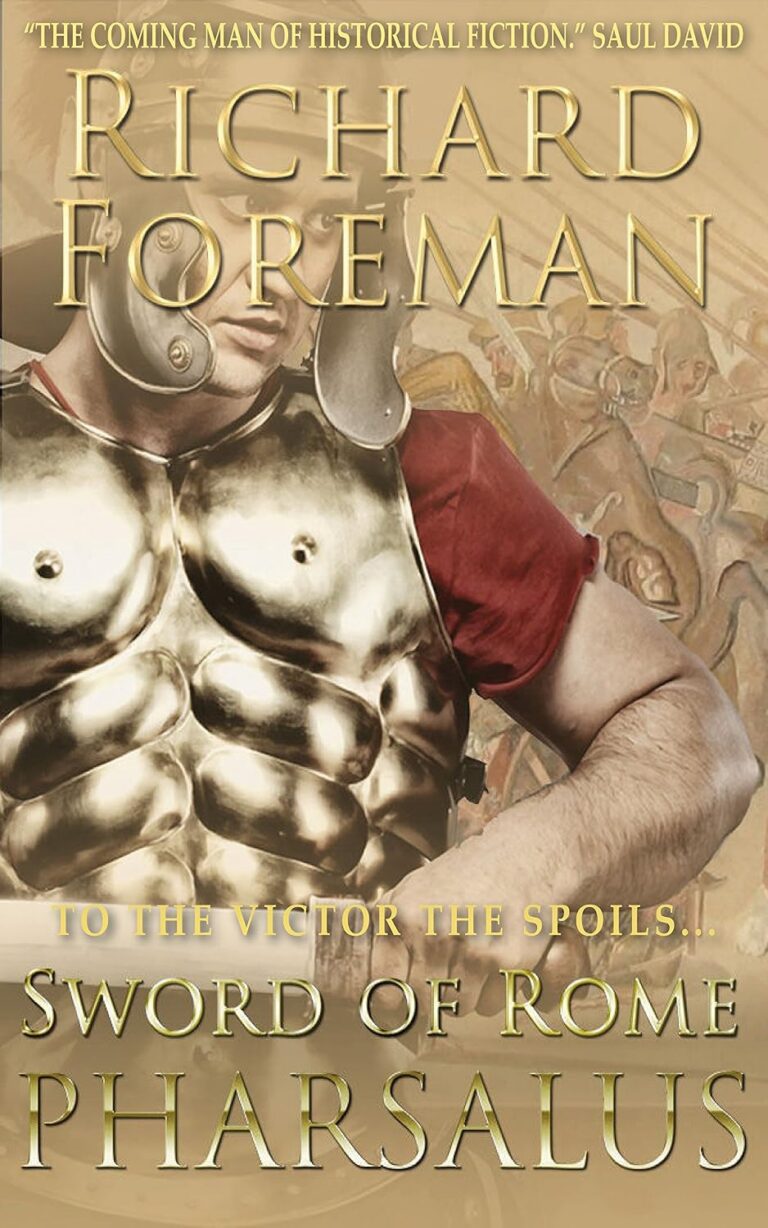
Defeated at Pharsalus in 48 BC, Pompey fled to Egypt, where advisers of the young Ptolemy XIII had him murdered. His death removed Caesar’s principal rival but did not end the civil wars. The murder on an Egyptian beach gives his career a deliberately tragic ending, especially because Caesar was reported to have mourned rather than celebrated it.
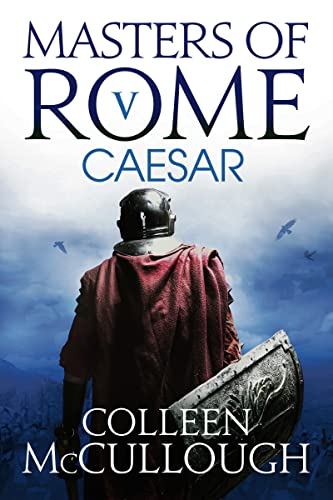
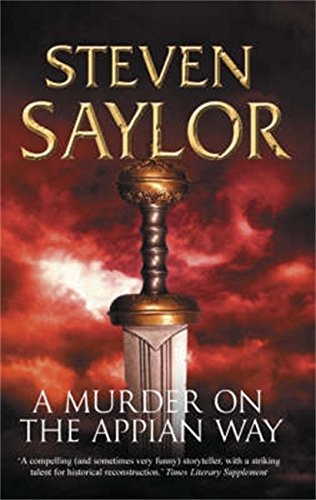
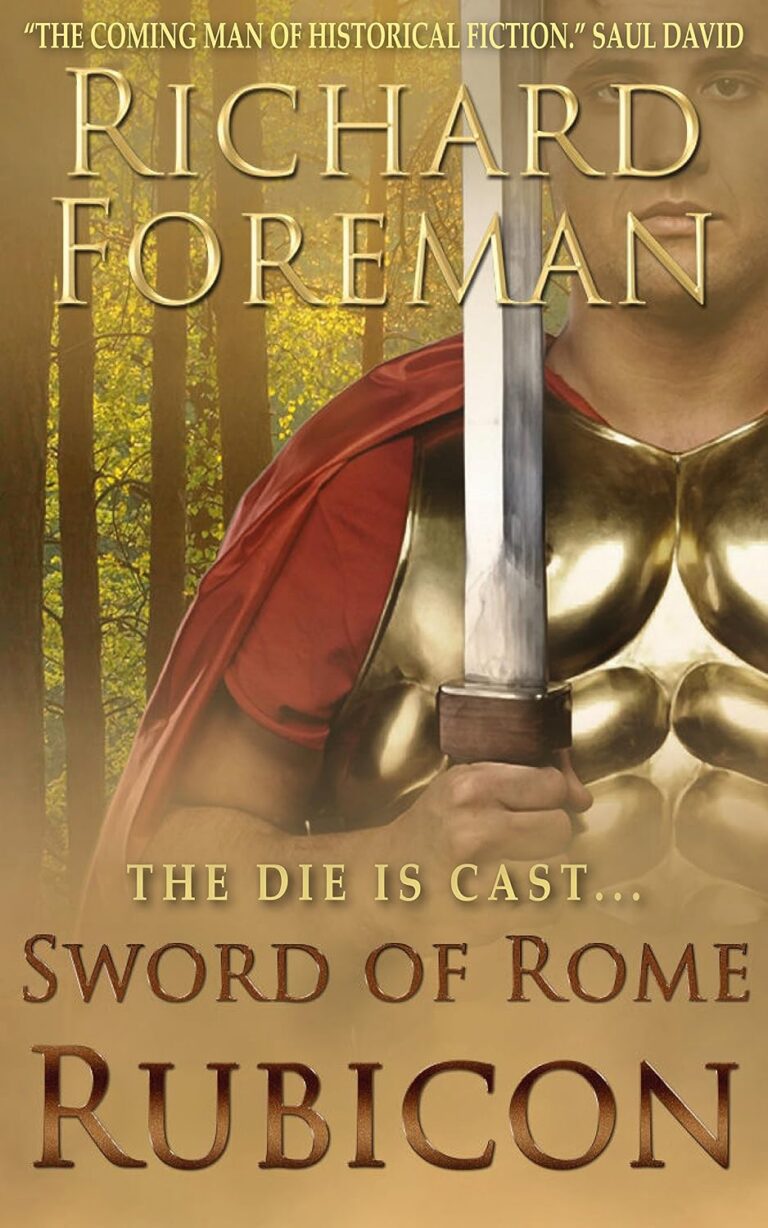
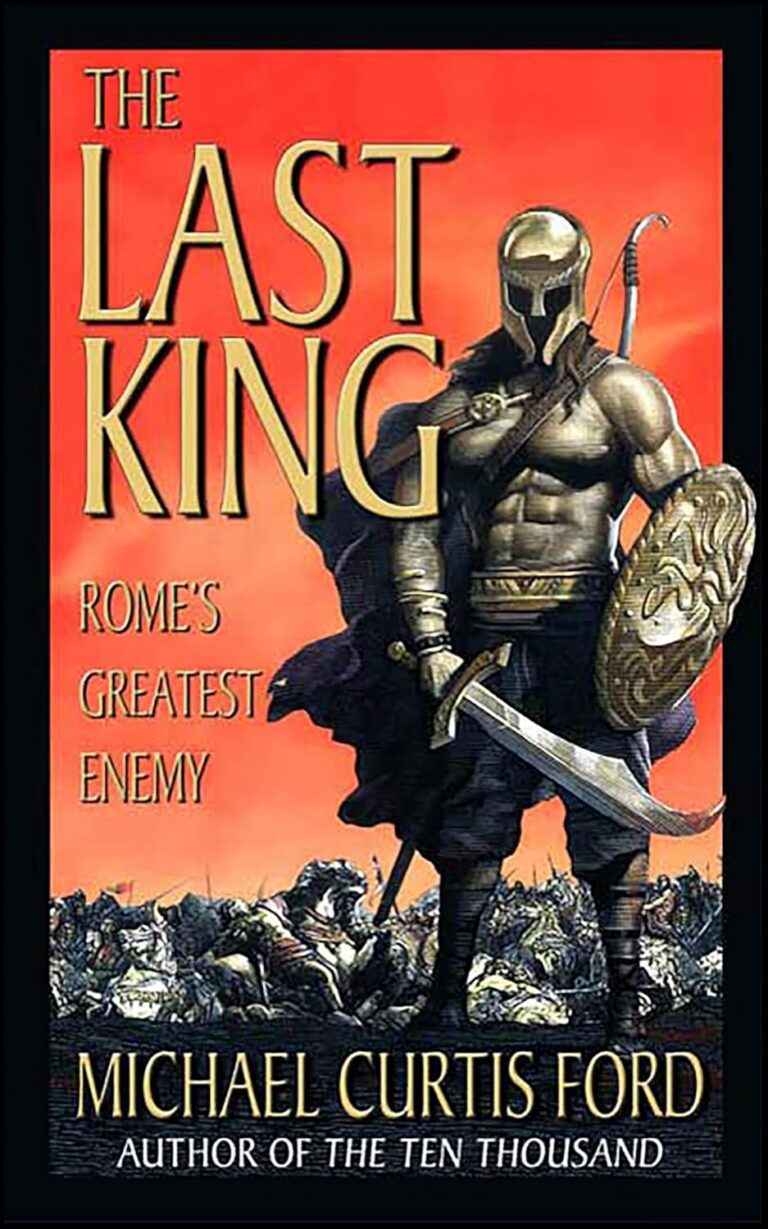
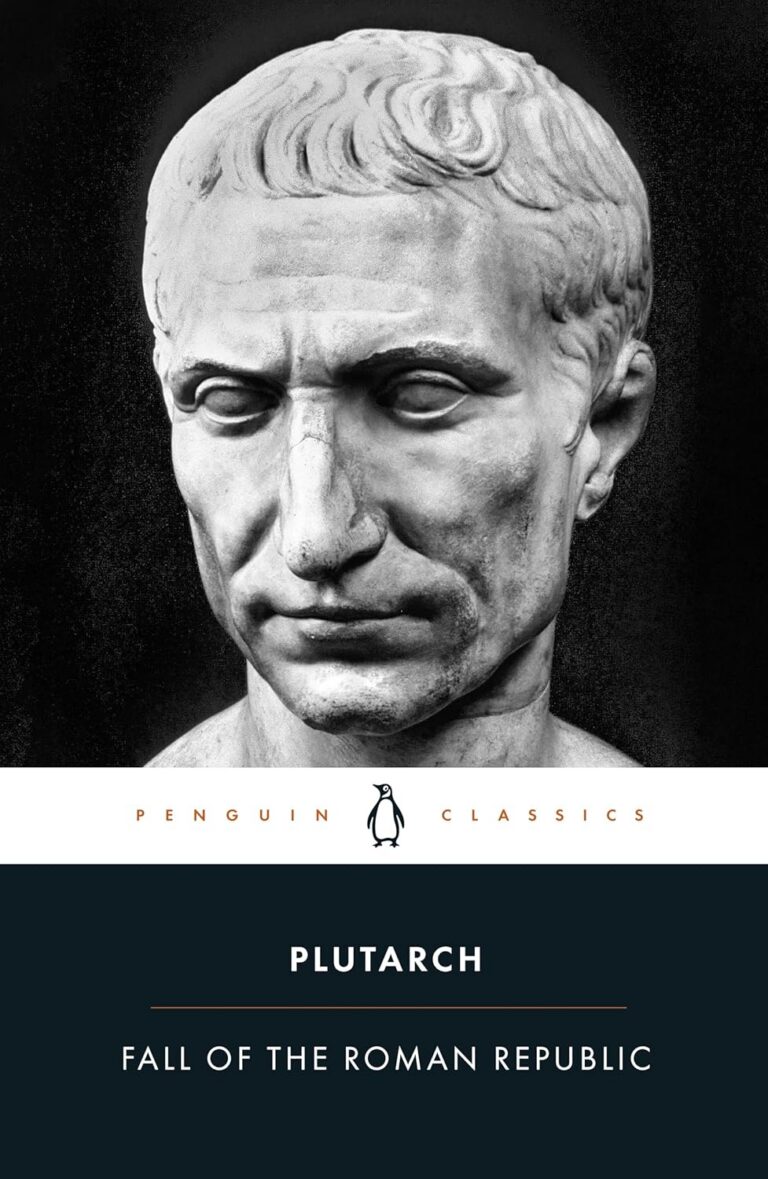
Steven Saylor’s A Murder on the Appian Way shows Pompey exploiting the emergency created by Clodius’s murder and Roman street violence as political pressure moves the Republic towards exceptional command. A Mist of Prophecies places his civil war with Caesar over Rome as the absent but decisive conflict governing the fears and calculations of the city’s elite. Colleen McCullough’s Caesar follows the breakdown of the alliance between the two men and Pompey’s decision to align with Caesar’s senatorial enemies before Pharsalus. Plutarch’s Fall of the Roman Republic gives Pompey a full biographical treatment beside Marius, Sulla, Crassus, Caesar and Cicero. Alfred Duggan’s He Died Old brings him into the final Mithridatic War, where Pompey replaces Lucullus and ends the long resistance of Mithridates VI.