Philip II ruled Spain from 1556 to 1598 and governed a global composite monarchy including Iberian kingdoms, territories in Italy and the Low Countries and vast American possessions. He married Mary I of England, fought the Ottoman Empire and France and attempted to suppress the Dutch Revolt.
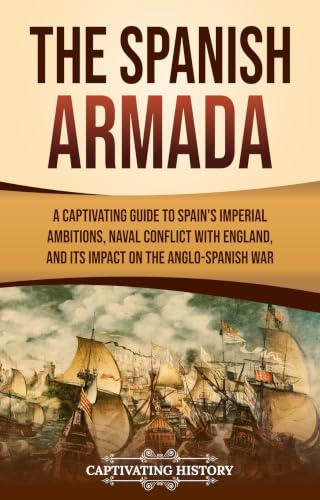
The failure of the Spanish Armada in 1588 became the most famous setback of his reign, though Spanish power remained formidable. His government relied on extensive paperwork and confessional Catholic purpose. Philip II of Spain was born in Palacio de Pimentel and died in Royal Monastery of San Lorenzo de El Escorial.
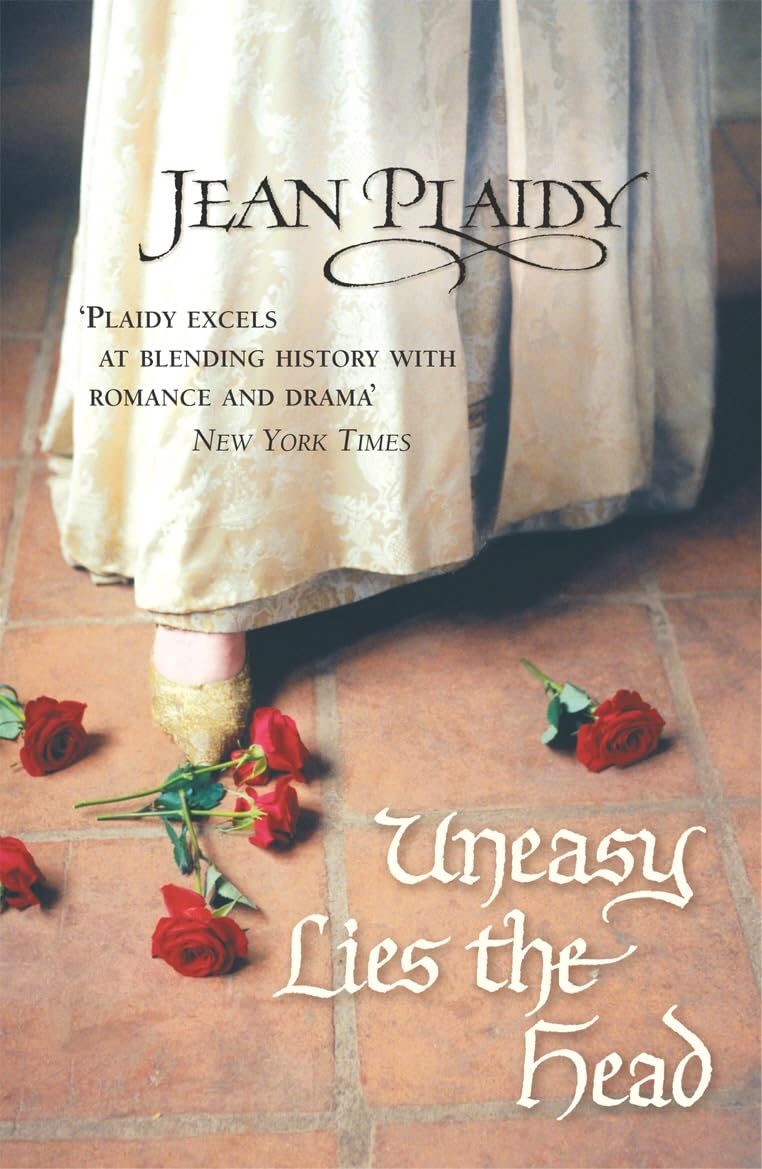
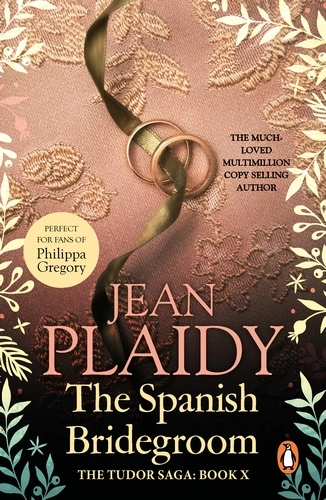
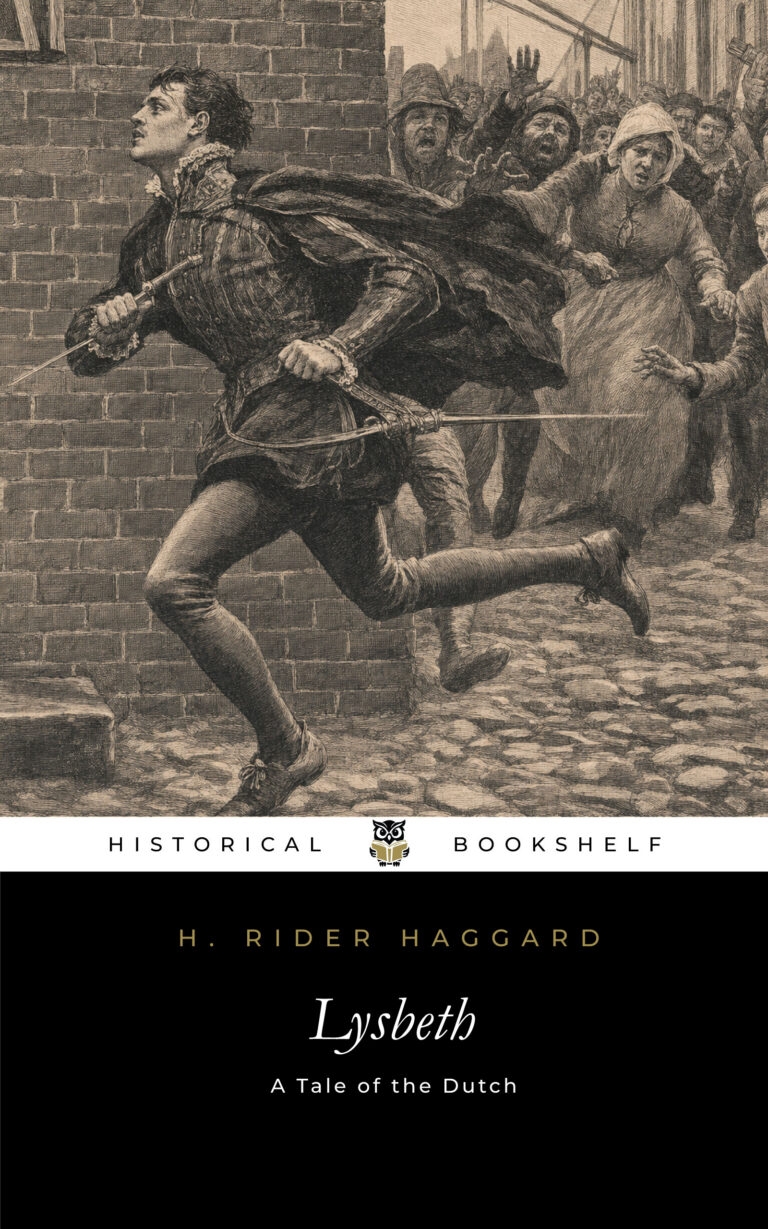
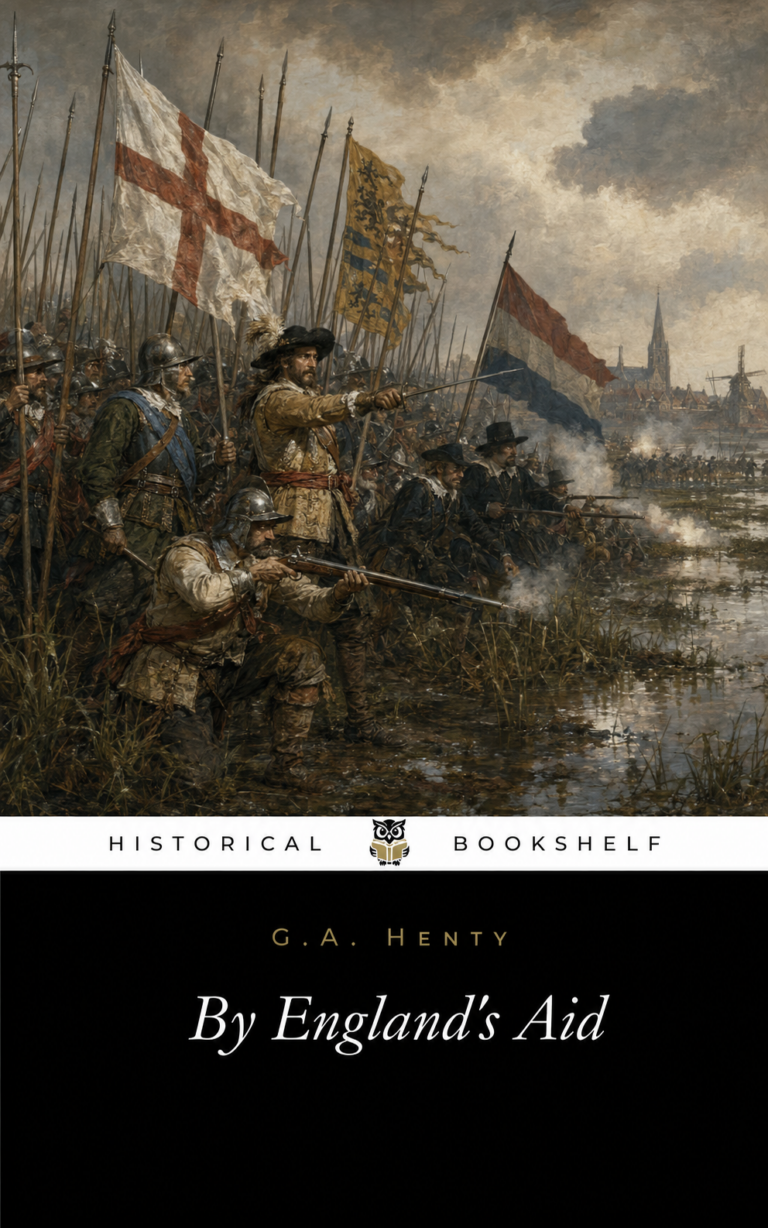
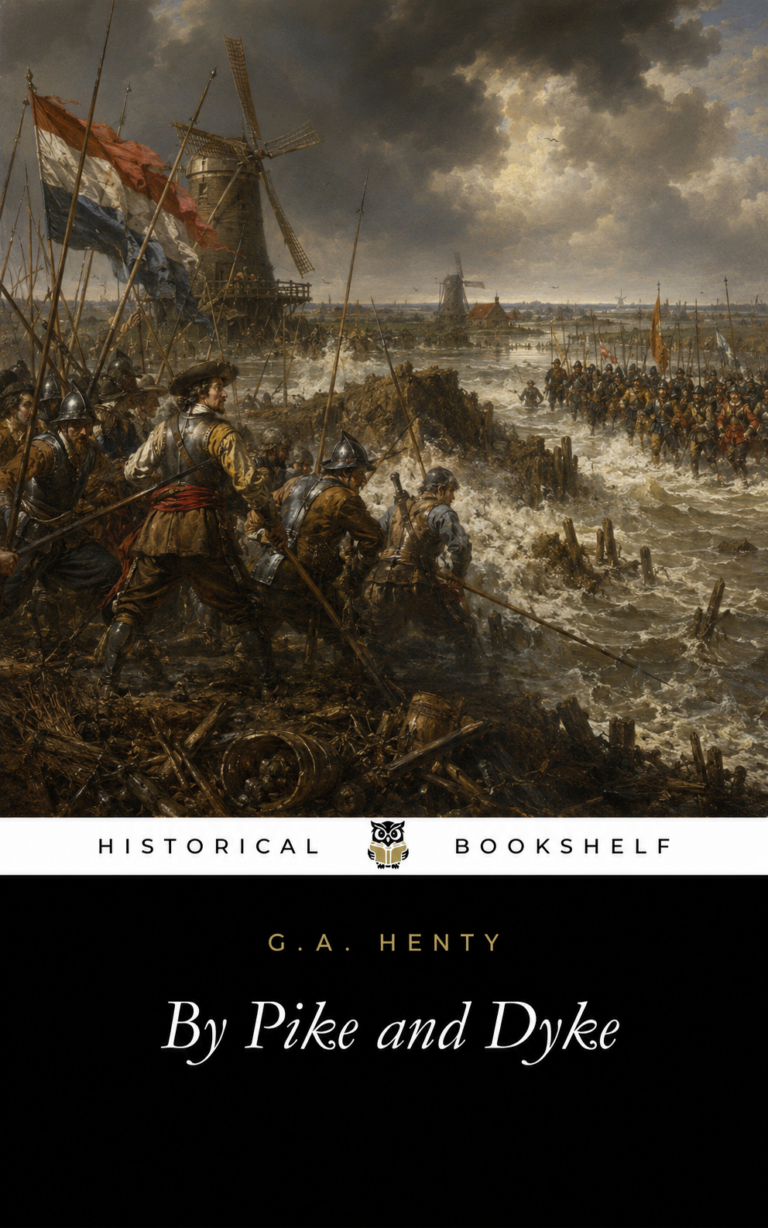
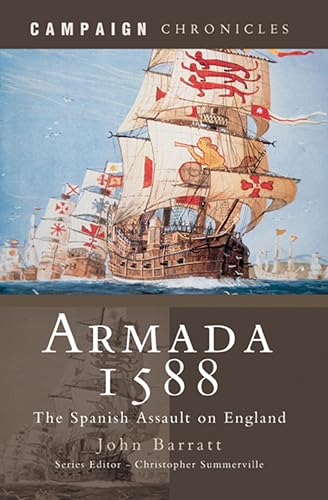
John Barratt’s Armada 1588 examines Philip II’s attempt to invade England and reconstructs the campaign that turned the Armada into the defining military failure of his reign. G. A. Henty’s By England's Aid and By Pike and Dyke place Philip on the opposing side of the Dutch Revolt, where his determination to maintain Spanish and Catholic authority shapes the wars experienced by their fictional protagonists. H. Rider Haggard’s Lysbeth: A Tale of the Dutch brings the consequences of Philip’s policies into a Leiden household facing persecution, confiscation and siege. Jean Plaidy’s The Spanish Bridegroom shifts to Philip himself, presenting his marriages, family tragedies and relationships with the women around him alongside the political severity of Habsburg Spain.