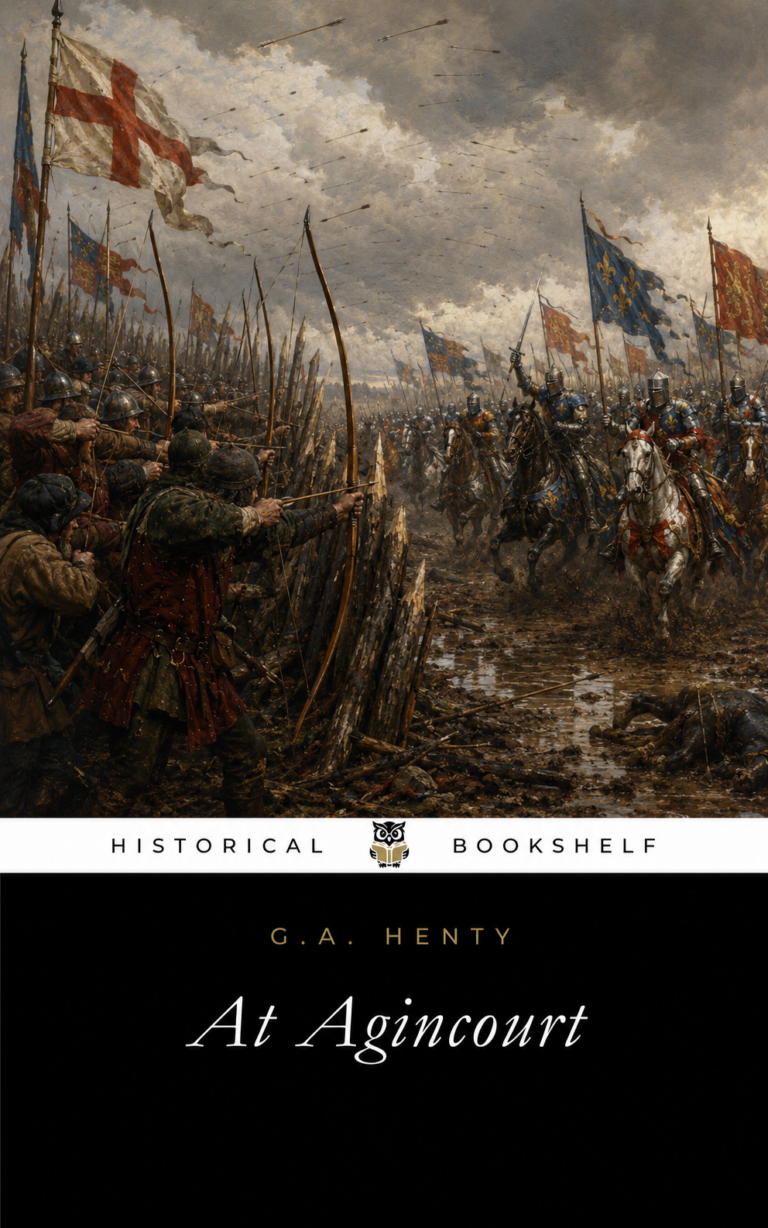
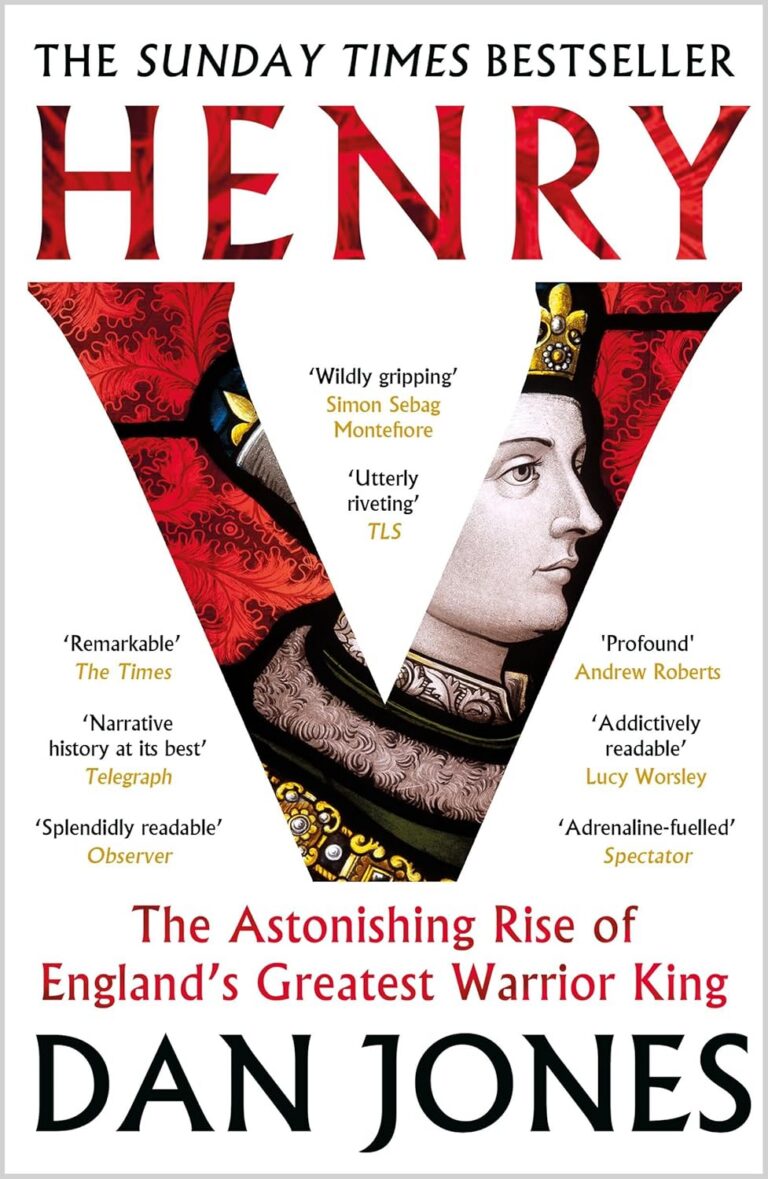
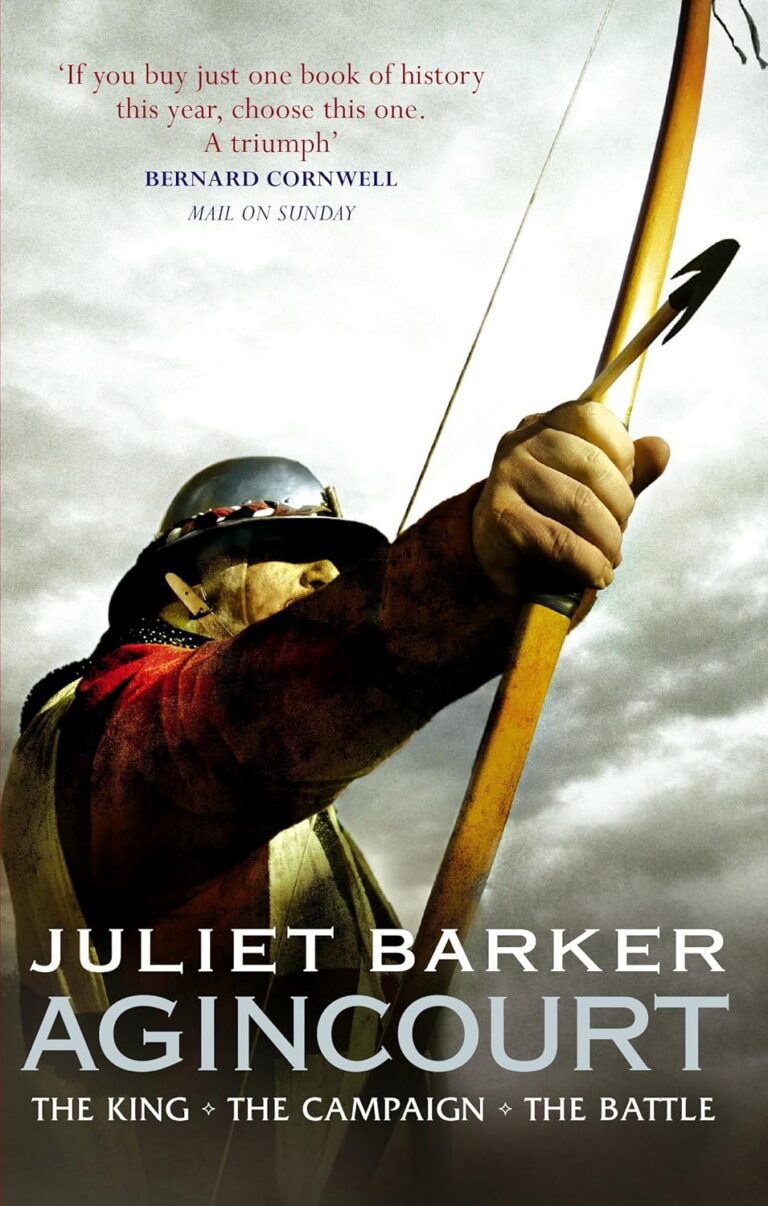
Henry V became king of England in 1413 after a turbulent youth and renewed the Plantagenet claim to France. His victory at Agincourt in 1415 established an enduring military legend, and subsequent campaigns brought much of northern France under English control. The Treaty of Troyes recognised him as heir to Charles VI and husband of Catherine of Valois. Henry died in 1422 before either king, leaving a nine-month-old son to inherit both claims.
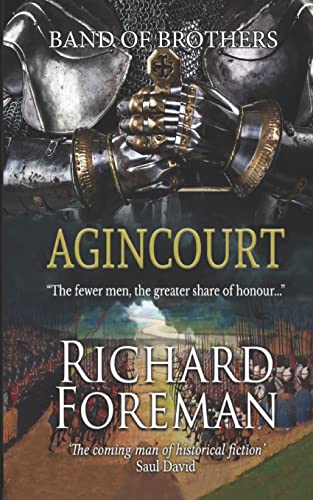
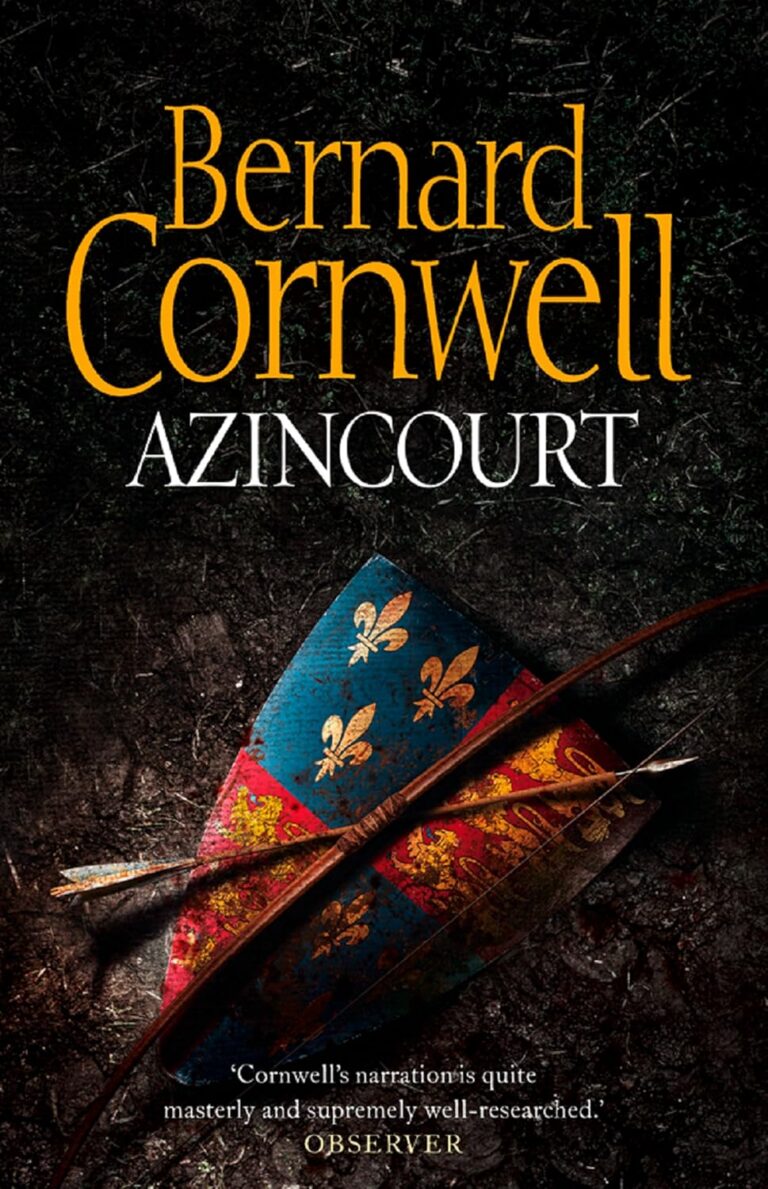
Bernard Cornwell’s Azincourt recreates the campaign and battle from the viewpoint of an ordinary archer, with Henry as the commanding historical figure. He also appears in numerous novels shaped by Shakespeare’s heroic image. Modern fiction often balances the disciplined commander and charismatic king against the brutality of siege warfare, executions and the killing of prisoners at Agincourt.
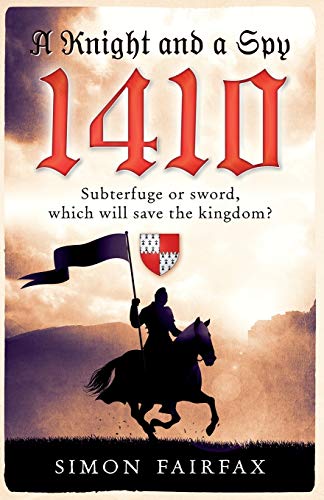
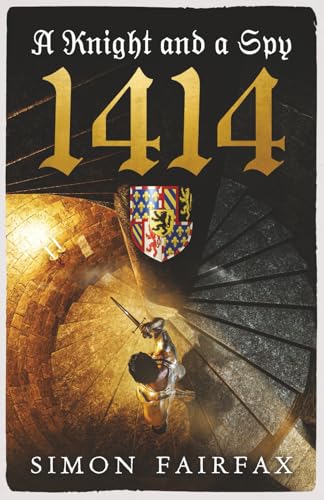
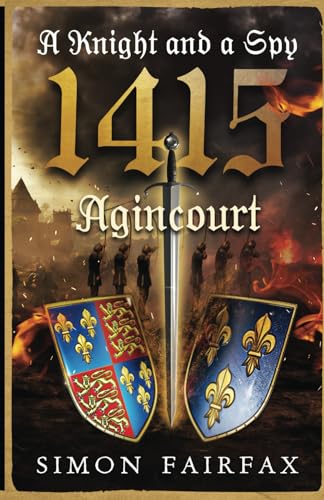
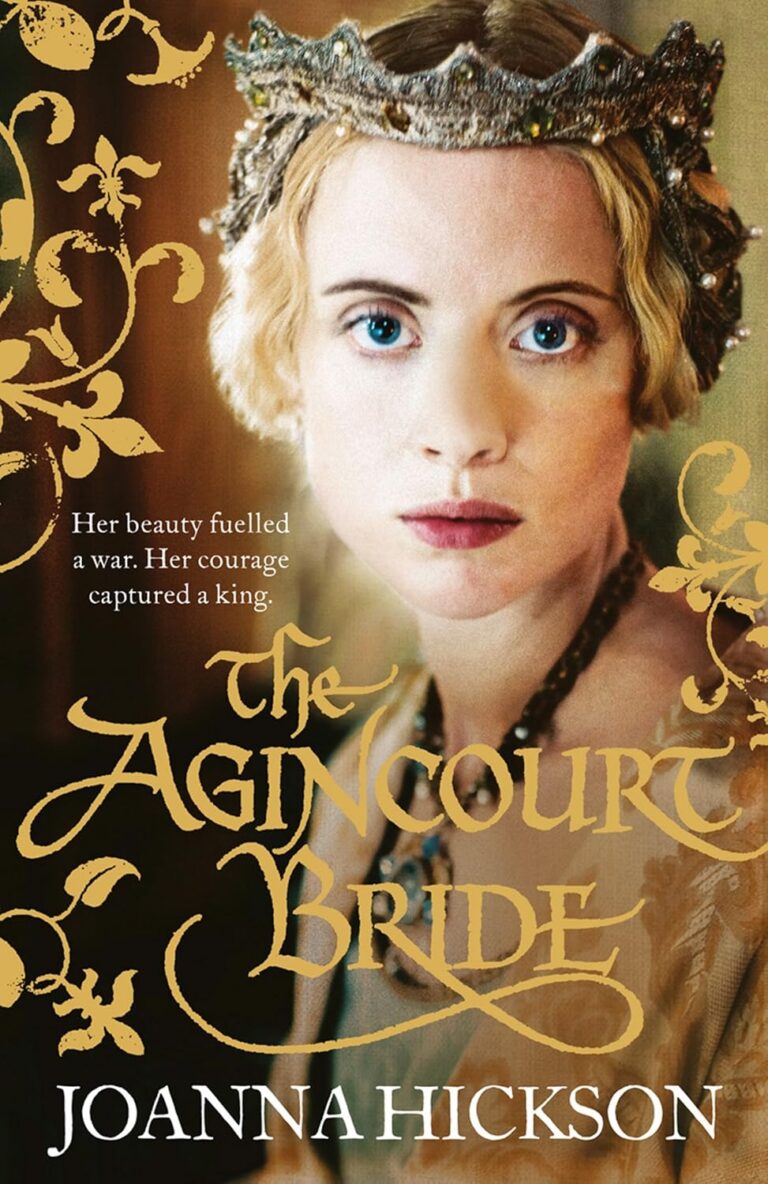
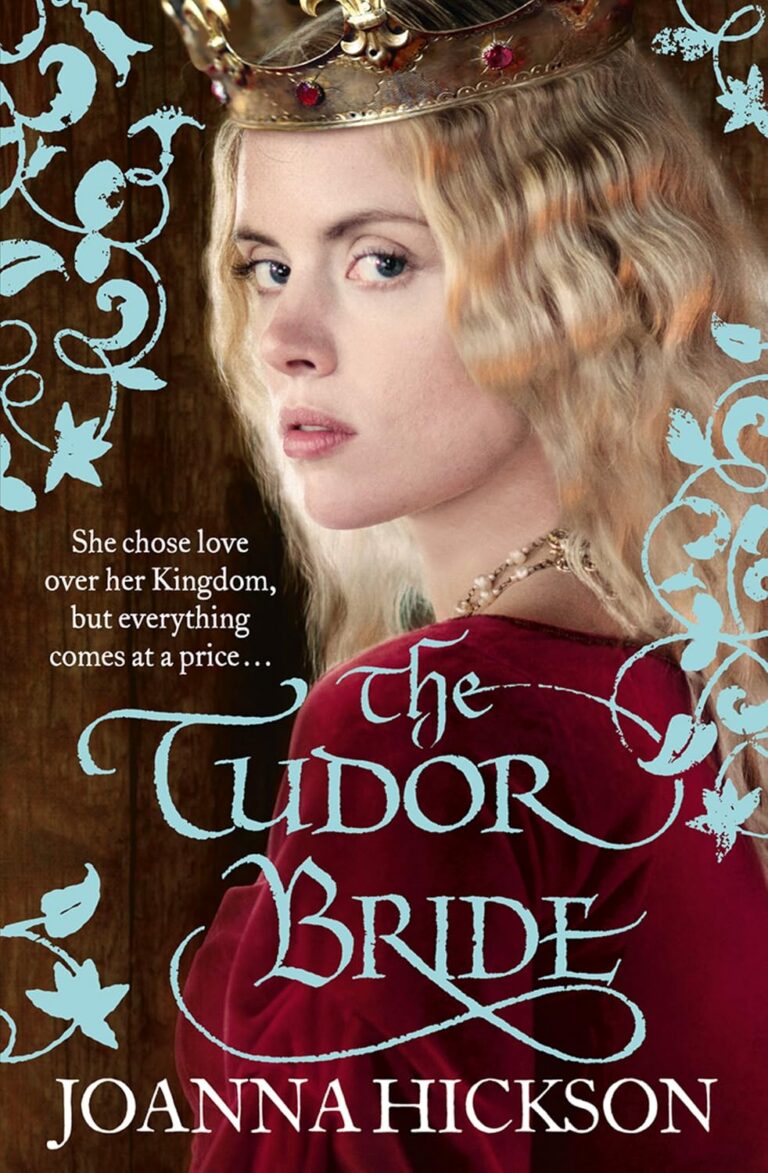
In Joanna Hickson’s The Agincourt Bride, Narrated through the fictional Mette, the novel follows Catherine from childhood to the negotiations that make her queen of England, combining a domestic view of the French court with the dynastic consequences of the Hundred Years’ War. In Simon Fairfax’s A Knight and a Spy 1410, in 1410, Henry IV’s illness and strained relationship with Prince Hal leave England politically unsettled while France watches for an opportunity to renew the Hundred Years’ War. Other novels featuring Henry V of England include Georgette Heyer’s Simon the Coldheart, Joanna Hickson’s The Tudor Bride, Simon Fairfax’s A Knight and a Spy 1411, Simon Fairfax’s A Knight and a Spy 1414, and Simon Fairfax’s A Knight and a Spy 1415.

In non-fiction, Henry V of England is discussed in David Pilling’s The Wolf Cub. David Pilling’s The Wolf Cub approaches the subject through military command and battlefield decision-making, court politics and dynastic power, and family, marriage and personal loyalty.