
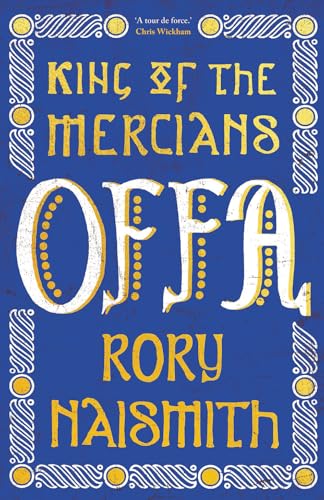
#1 – Offa
Rory Naismith reconstructs the career of Offa, the Mercian king who dominated much of southern England in the late eighth century. Drawing on charters, coins, archaeology and continental evidence, he places Offa at the centre of a competitive political world rather than treating him merely as…
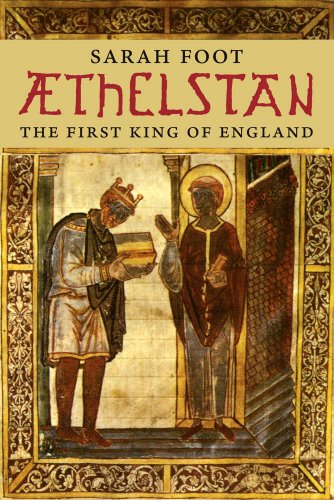
#2 – Aethelstan
Sarah Foot recovers the life of Æthelstan, the tenth-century ruler whose victories and diplomacy made him the first king to command all England. Because narrative sources are sparse, she draws together charters, law codes, coins, manuscripts and continental testimony to show how he presented his authority…
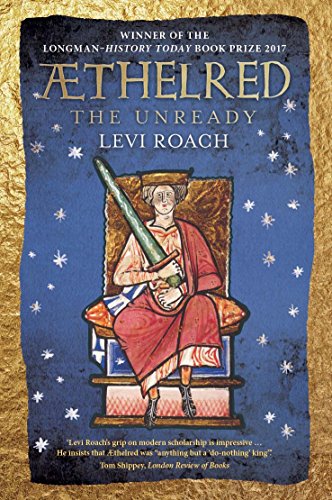
#3 – Æthelred
Levi Roach reassesses Æthelred II, long reduced to the misleading epithet “the Unready” and blamed for England’s conquest by the Danes. The biography places his decisions within the difficult conditions of a long reign marked by renewed Viking armies, contested counsel and the heavy financial demands…
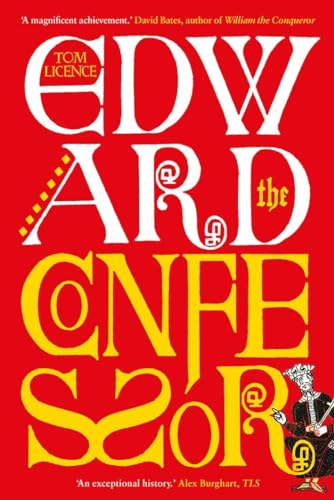
#6 – Edward the Confessor
Tom Licence offers a modern reassessment of Edward the Confessor, challenging the image of a weak king manipulated by stronger men. He follows Edward from exile to a comparatively stable reign and argues that his personal authority, piety and careful use of royal symbolism helped secure…
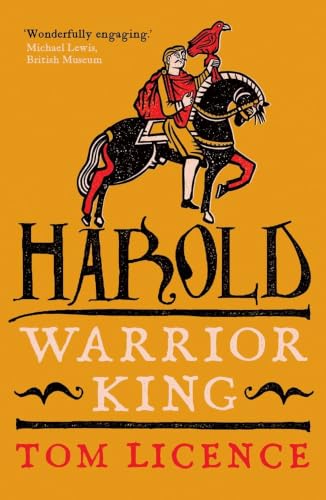
#7 – Harold
Tom Licence reconstructs the career of Harold Godwinson before the famous final day at Hastings. He traces the rise of the Godwin family, Harold’s experience as an earl and military commander, and the political manoeuvring that placed him on the throne after Edward the Confessor’s death.…
#8 – William the Conqueror
David C. Douglas’s classic biography combines the life of William I with an assessment of the Norman transformation of England. It follows William’s difficult childhood, consolidation of Normandy and successful claim to the English crown, setting the invasion of 1066 within the politics of northern France…
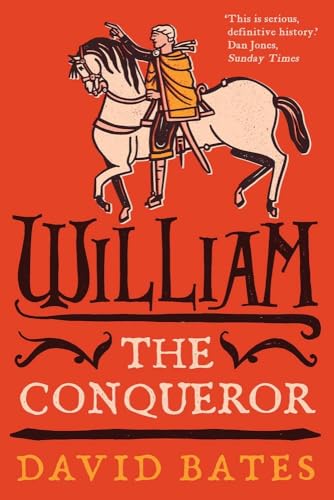
#9 – William the Conqueror
David Bates provides a wide-ranging modern biography of William the Conqueror, treating him as a Norman duke and European ruler before examining his conquest of England. A multidisciplinary approach is used to explain how William built loyalty, survived repeated crises and persuaded followers to support the…
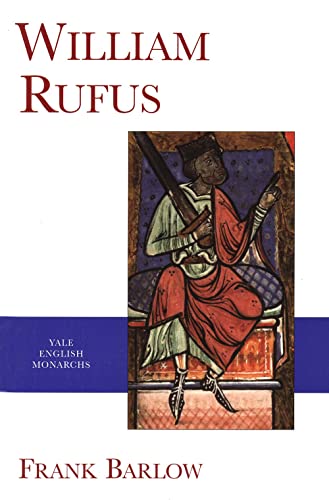
#10 – William Rufus
Frank Barlow reconsiders William II, the energetic and controversial son of William the Conqueror who ruled England from 1087 to 1100. Rather than accepting hostile clerical portraits at face value, he reconstructs a bold, generous and unconventional king whose court offended contemporary moralists. The biography examines…
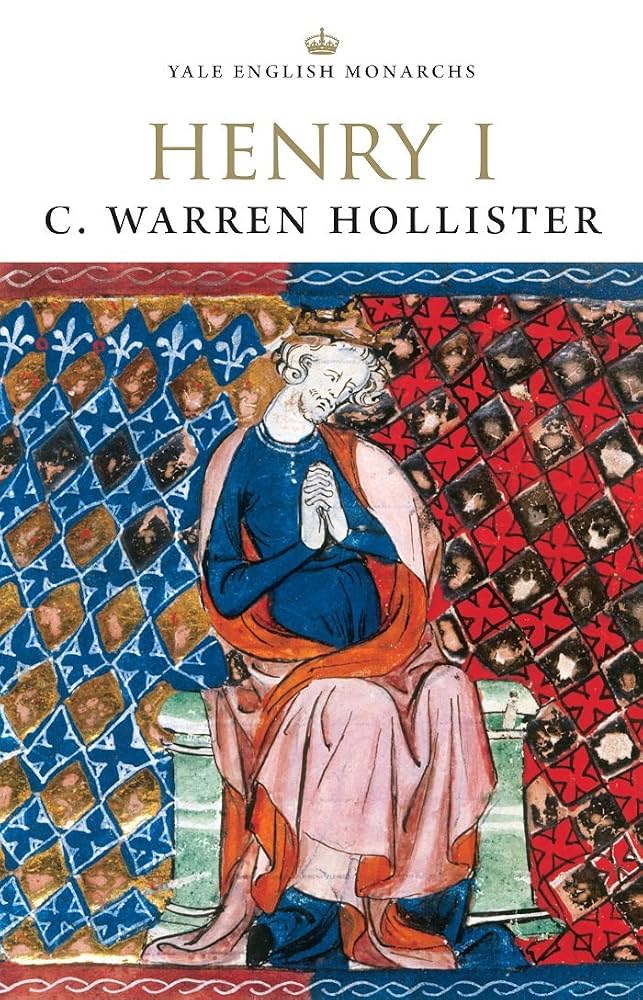
#11 – Henry I
C. Warren Hollister presents Henry I as an exceptionally capable ruler who reunited England and Normandy and strengthened the administrative foundations of Anglo-Norman monarchy. Completed after Hollister’s death, the biography follows Henry’s seizure of the throne, victory over his brother Robert and careful management of barons,…
#15 – Richard I
John Gillingham challenges the familiar portrayal of Richard I as an absentee king who neglected England for crusading adventure. He reconstructs Richard’s upbringing in Aquitaine, rebellion against Henry II and mastery of aristocratic warfare, showing that his priorities were those of a ruler of the wider…
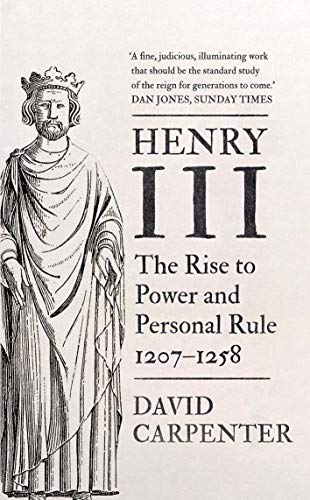
#17 – Henry III
In the first volume of his biography, David Carpenter follows Henry III from childhood through minority government and into the mature personal rule of the 1230s and 1240s. He explains how the settlement after Magna Carta, the regencies that defeated invasion and Henry’s ceremonial vision of…
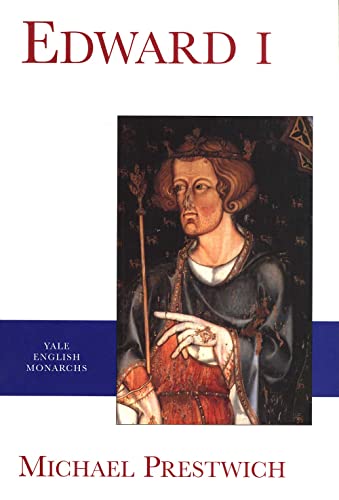
#19 – Edward I
Michael Prestwich presents Edward I as a commanding medieval ruler whose reign combined institutional innovation with relentless warfare. The biography follows his crusading experience, accession and programme of legal and administrative reform, including statutes that reshaped landholding, royal justice and relations with Parliament. Edward’s conquest of…
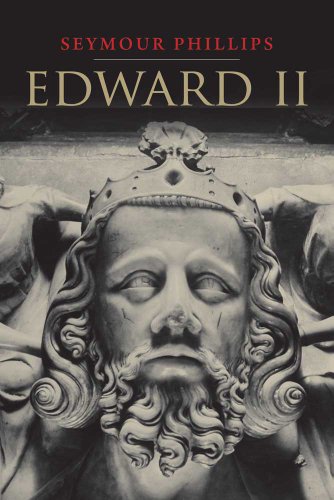
#20 – Edward II
Seymour Phillips reassesses Edward II, whose reign has often been dismissed as an interlude of incompetence between two powerful kings. He reconstructs the king’s government, military policy and personal relationships, showing how favouritism, aristocratic rivalry and Edward’s refusal to abandon trusted companions repeatedly destabilised political life.…
#20 – Edward III
W. M. Ormrod offers a concise assessment of Edward III’s fifty-year reign, tracing the king’s troubled inheritance from Edward II and Isabella of France through the restoration of royal authority in the 1330s. He explains how war with Scotland and France, the claim to the French…
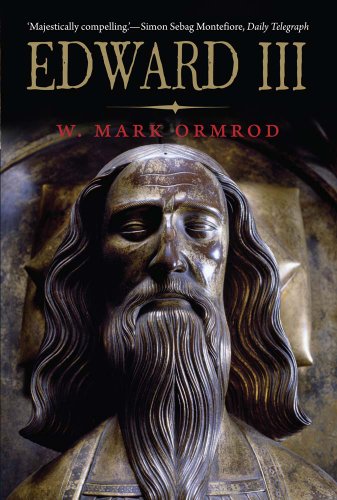
#21 – Edward III
W. Mark Ormrod examines Edward III across a fifty-year reign that restored royal prestige and made England a major European military power. The book follows Edward’s escape from the control of Isabella and Mortimer, his wars in Scotland and France and the creation of a chivalric…
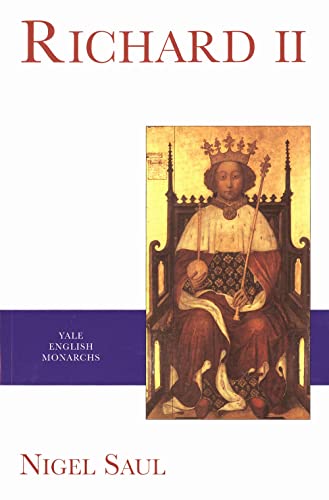
#22 – Richard II
Nigel Saul portrays Richard II as an imaginative but politically hazardous ruler whose elevated conception of monarchy brought him into conflict with the conventions of aristocratic government. The biography traces his childhood accession, response to the Peasants’ Revolt and prolonged struggle with the Lords Appellant. Saul…
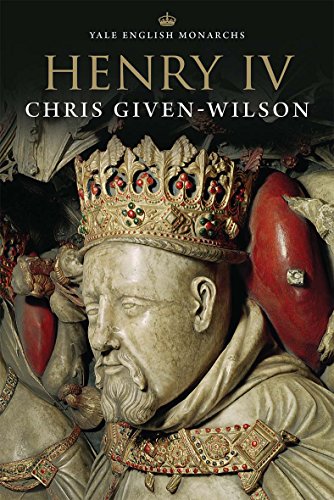
#23 – Henry IV
Chris Given-Wilson provides a full reassessment of Henry IV, the first Lancastrian king and one of England’s most neglected medieval rulers. He follows Henry’s career as crusader and magnate, his overthrow of Richard II and the formidable problem of converting successful rebellion into legitimate kingship. The…
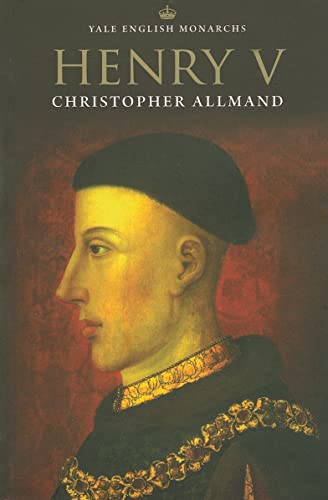
#24 – Henry V
Christopher Allmand examines Henry V as both a warrior king and a ruler with a highly developed sense of duty, justice and religious purpose. The biography follows his troubled experience as Prince of Wales, accession in 1413 and determination to unite the political nation behind a…
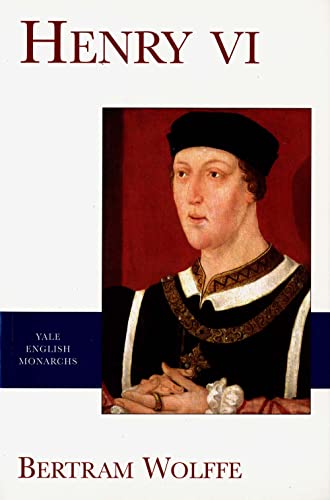
#25 – Henry VI
Bertram Wolffe challenges the sentimental image of Henry VI as a saintly innocent destroyed solely by ambitious nobles. Drawing on the evidence of government, he argues that the king’s passivity, poor judgement and inability to manage patronage contributed directly to disorder, financial weakness and the loss…
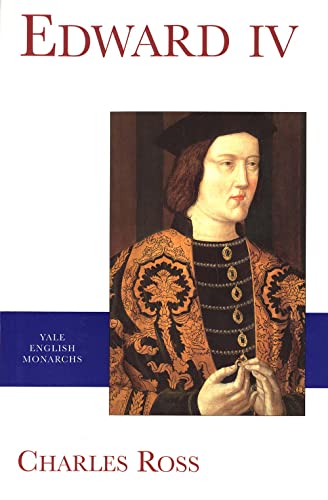
#26 – Edward IV
Charles Ross presents Edward IV as an able and popular king who emerged from civil war to restore effective government. The book follows his victories for the House of York, first reign, exile and dramatic return in 1471, placing military success within the shifting alliances and…
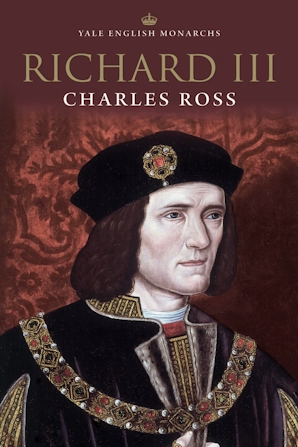
#27 – Richard III
Charles Ross evaluates Richard III within the violent political culture of late fifteenth-century England. Beginning with Richard’s service to Edward IV, he traces the protectorate crisis of 1483, the displacement of Edward V and the rapid seizure of the crown. The biography weighs the evidence surrounding…
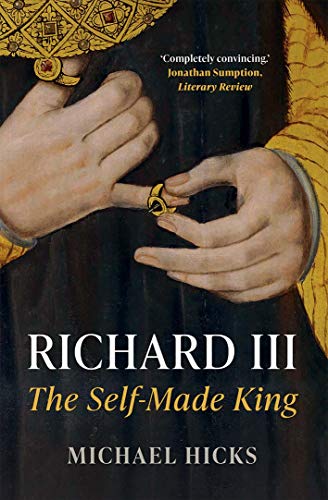
#28 – Richard III
Michael Hicks studies Richard III across his entire life rather than concentrating only on the twenty-six months of his reign. Using a career’s archival research, he follows Richard from a vulnerable younger son of York through exile, service to Edward IV and the accumulation of northern…
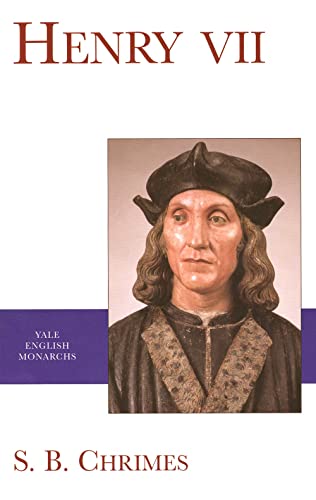
#29 – Henry VII
S. B. Chrimes provides a systematic study of Henry VII, the exile who defeated Richard III and founded the Tudor dynasty. The biography examines the disputed basis of Henry’s claim, the political management of Yorkist opposition and the marriage and symbolism used to present his victory…
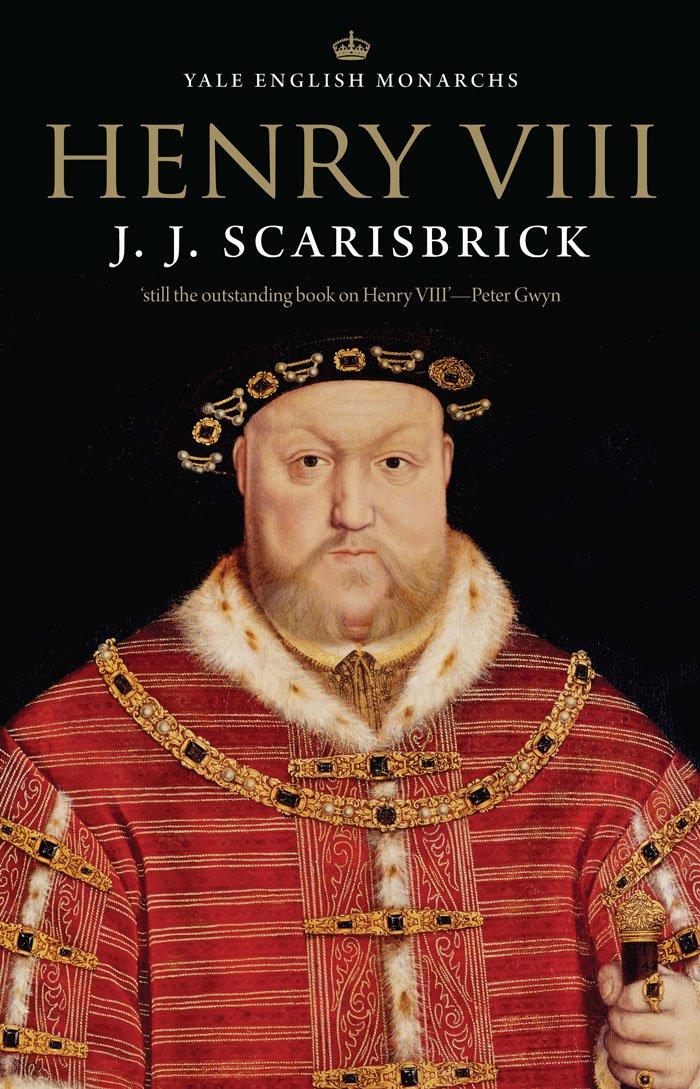
#30 – Henry VIII
J. J. Scarisbrick’s influential biography places Henry VIII’s personality at the centre of Tudor politics. It follows the confident Renaissance prince through continental war, dependence on powerful ministers and the dynastic crisis created by the failure of his marriage to Catherine of Aragon. The book examines…
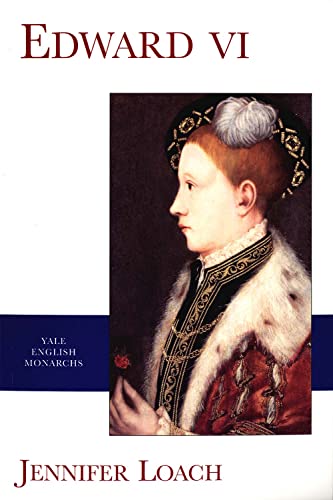
#31 – Edward VI
Jennifer Loach’s biography, completed after her death, reassesses the short reign of Edward VI without treating the young king as a passive symbol of Protestant reform. It follows the accession of Henry VIII’s nine-year-old heir and the protectorates of Somerset and Northumberland amid war, inflation, rebellion…
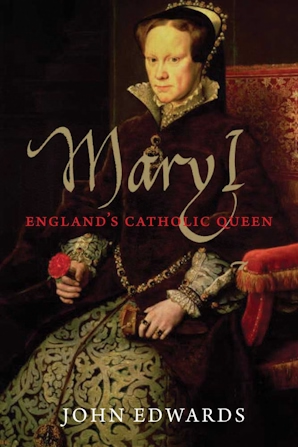
#32 – Mary I
John Edwards places Mary I within the English and Spanish worlds that shaped her identity, faith and political expectations. The biography follows her traumatic displacement during Henry VIII’s marriage crisis, resistance under Edward VI and successful defeat of the attempt to place Lady Jane Grey on…
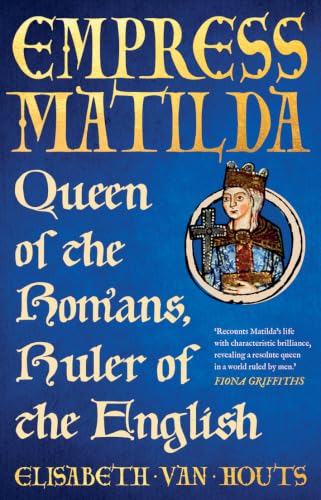
#33 – Empress Matilda
Simon Adams examines Elizabeth I as a ruler formed by the dynastic and religious dangers of the Tudor succession. The biography follows her precarious childhood, accession in 1558 and construction of a political identity that combined female queenship with the language and authority of a divinely…
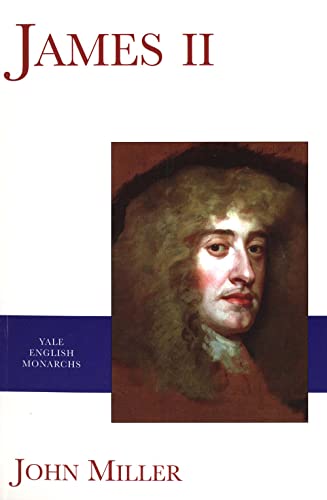
#34 – James II
John Miller reassesses James II, whose brief reign ended in the Revolution of 1688. The biography follows James’s naval and political career under Charles II, his open conversion to Catholicism and his accession with substantial initial support despite deep suspicion of his religion. Miller examines the…
#35 – Queen Anne
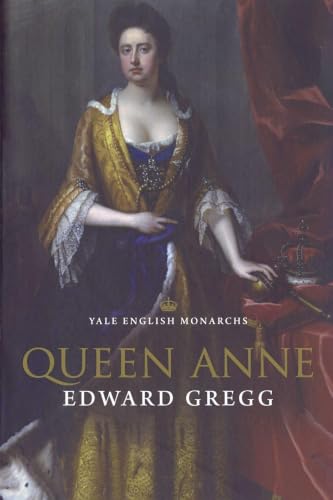
Edward Gregg presents Anne as an active monarch rather than a weak figure controlled entirely by favourites and ministers. The biography follows her difficult path to the throne, repeated pregnancies and close relationships with Sarah Churchill and Abigail Masham, all of which became entangled with the…
#36 – George I
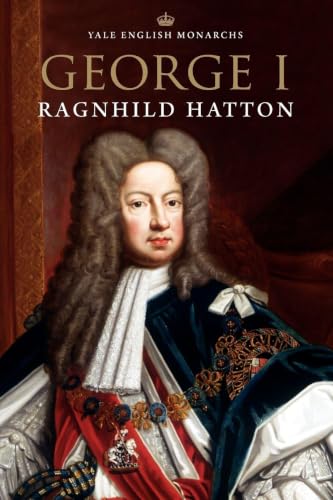
Ragnhild Hatton overturns the caricature of George I as a dull foreign king uninterested in Britain. Drawing on multilingual archives, she follows his upbringing and rule in Hanover, the dynastic calculations that brought him the British crown in 1714 and the difficulties of governing two electorates…
#37 – George II
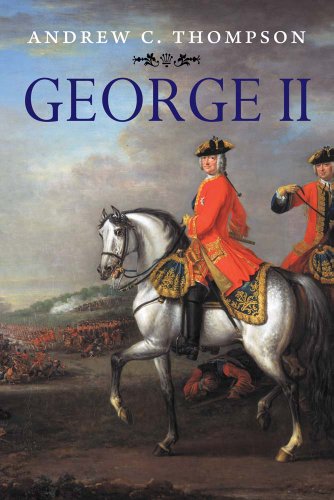
Andrew C. Thompson examines George II’s dual position as British king and elector of Hanover, placing continental priorities at the centre of a reign often described only through ministerial politics. The biography follows his troubled relationship with George I, family rivalries and partnership with Queen Caroline.…
#38 – George III
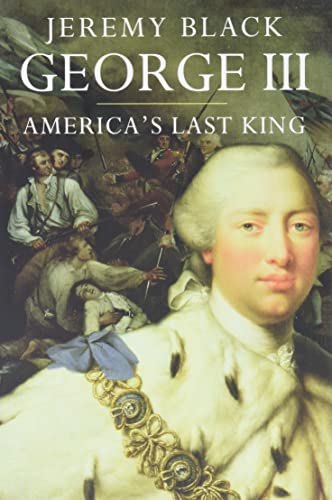
Jeremy Black presents George III as a conscientious and politically involved monarch whose long reign cannot be understood solely through the loss of the American colonies or the king’s illness. The biography examines his education, moral ideals, family life and determination to restore royal influence within…
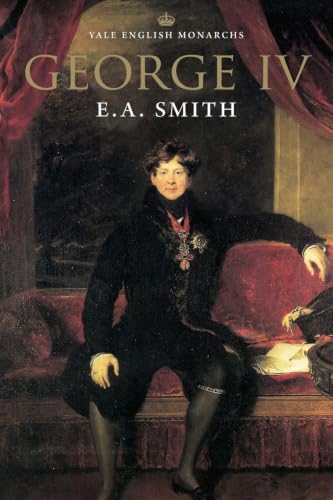
#39 – George IV
E. A. Smith reassesses George IV, acknowledging his extravagance and private failures while challenging the view that he was merely a frivolous and ineffective ruler. The biography traces his conflict with George III, secret marriage, debts and long service as Prince Regent before his accession in…