Philip IV of France, known as Philip the Fair, ruled from 1285 to 1314 and greatly expanded the administrative and fiscal reach of Capetian monarchy. The son of Philip III, he inherited a kingdom already strengthening royal institutions and pushed that process further through professional legal advisers, taxation and aggressive assertions of sovereign authority. His wars with England and Flanders demanded enormous resources, while his government repeatedly sought new revenues from clergy, towns, Jews and other groups within the kingdom.

Philip’s conflicts with institutions that resisted royal demands became defining features of his reign. His confrontation with Pope Boniface VIII culminated in the assault at Anagni in 1303, after which the French crown exercised increasing influence over the papacy. In 1307 Philip ordered the mass arrest of the Knights Templar in France, using accusations of heresy, coercive interrogations and sustained pressure on Pope Clement V; the order was eventually dissolved in 1312. Philip died in 1314, leaving a powerful monarchy but also financial strain and a succession soon destabilised by the deaths of his sons.
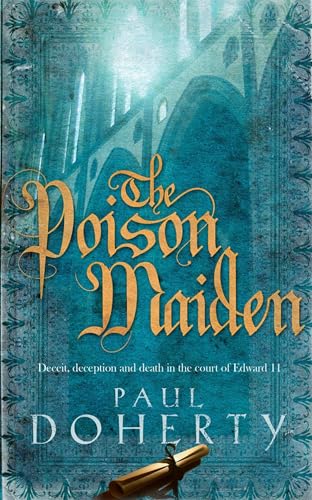
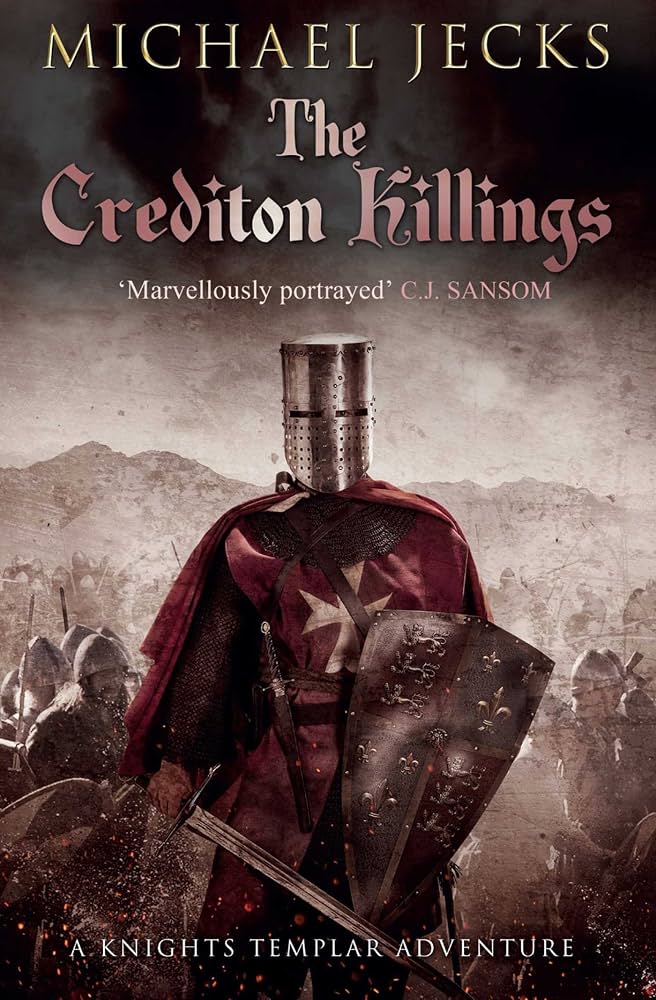
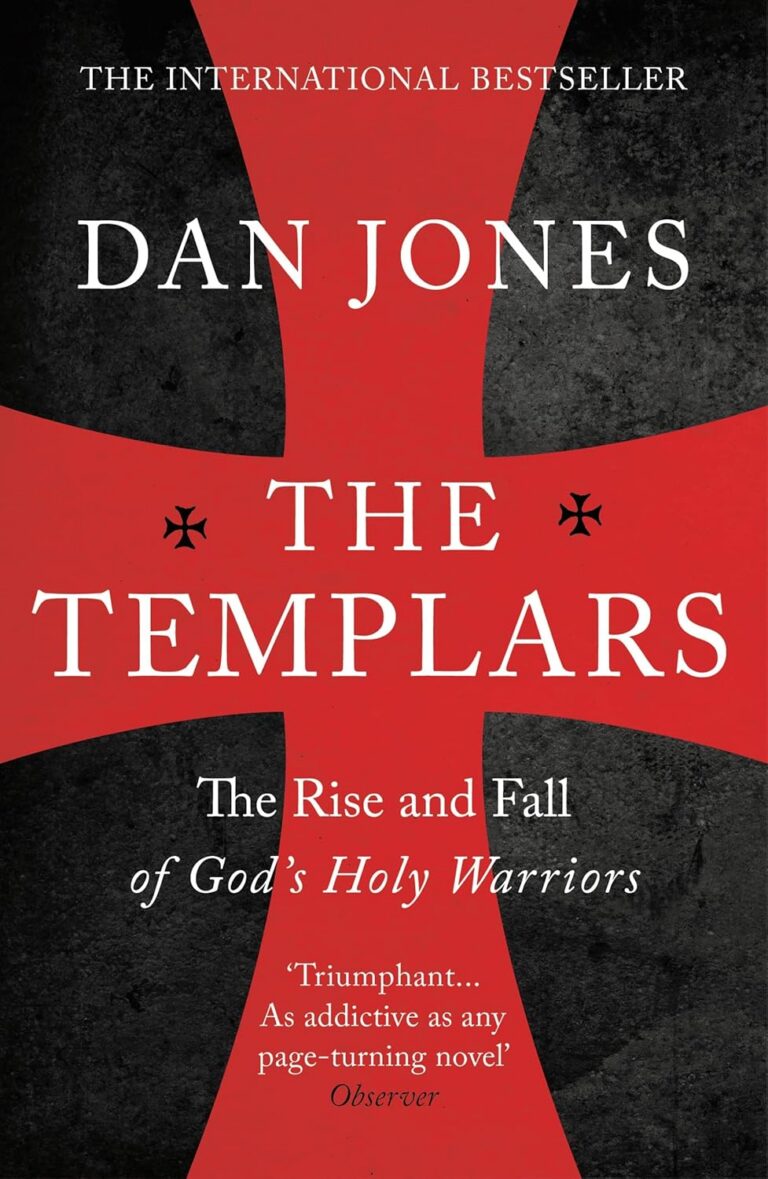
Paul Doherty’s Spy in Chancery casts Philip IV as Edward I’s formidable rival during the struggle over Aquitaine, with espionage in both kingdoms extending the conflict beyond formal diplomacy. The Prince of Darkness returns to the covert contest between Philip’s France and Edward’s England, while The Poison Maiden brings his pressure directly into Edward II’s early reign through the English king’s marriage to Philip’s daughter Isabella and the threat of French intervention. Michael Jecks’s The Last Templar gives Philip a darker legacy through Baldwin de Furnshill, whose past is shaped by the king’s destruction of the Templars. Dan Jones’s The Templars examines that suppression directly, placing Philip’s arrests, coercive interrogations and pressure on the papacy within the final collapse of the order.