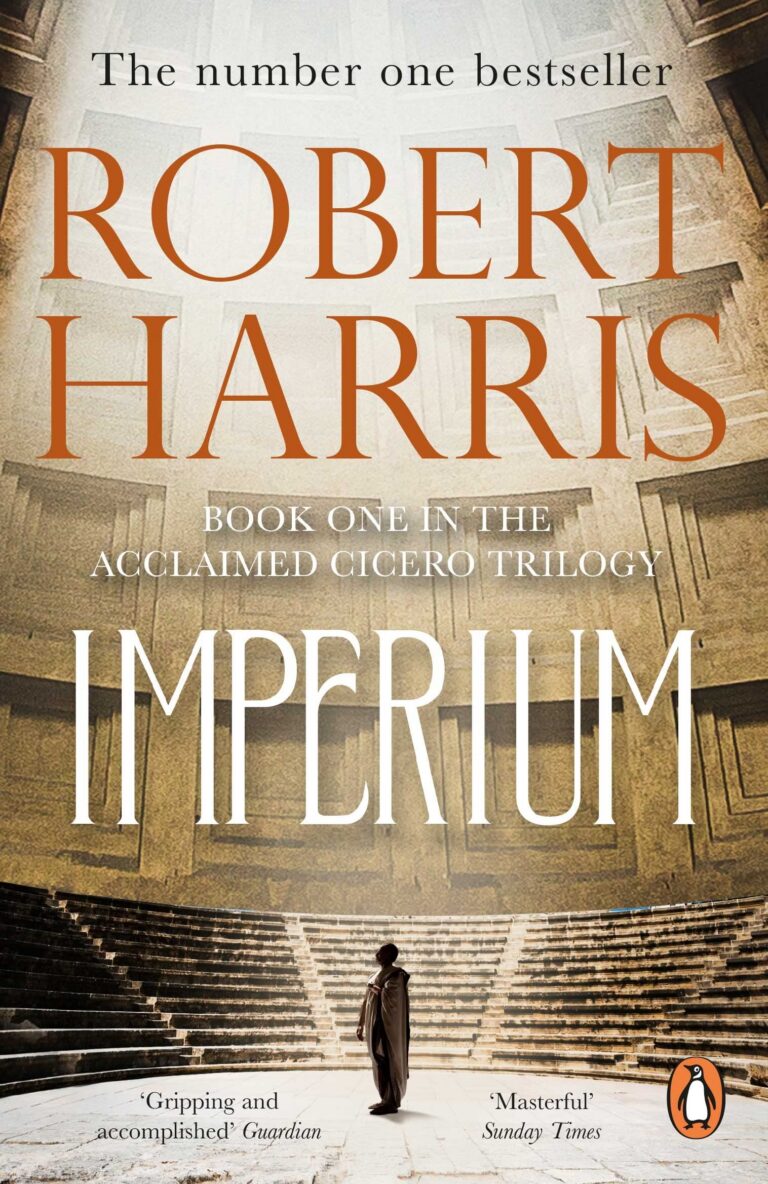
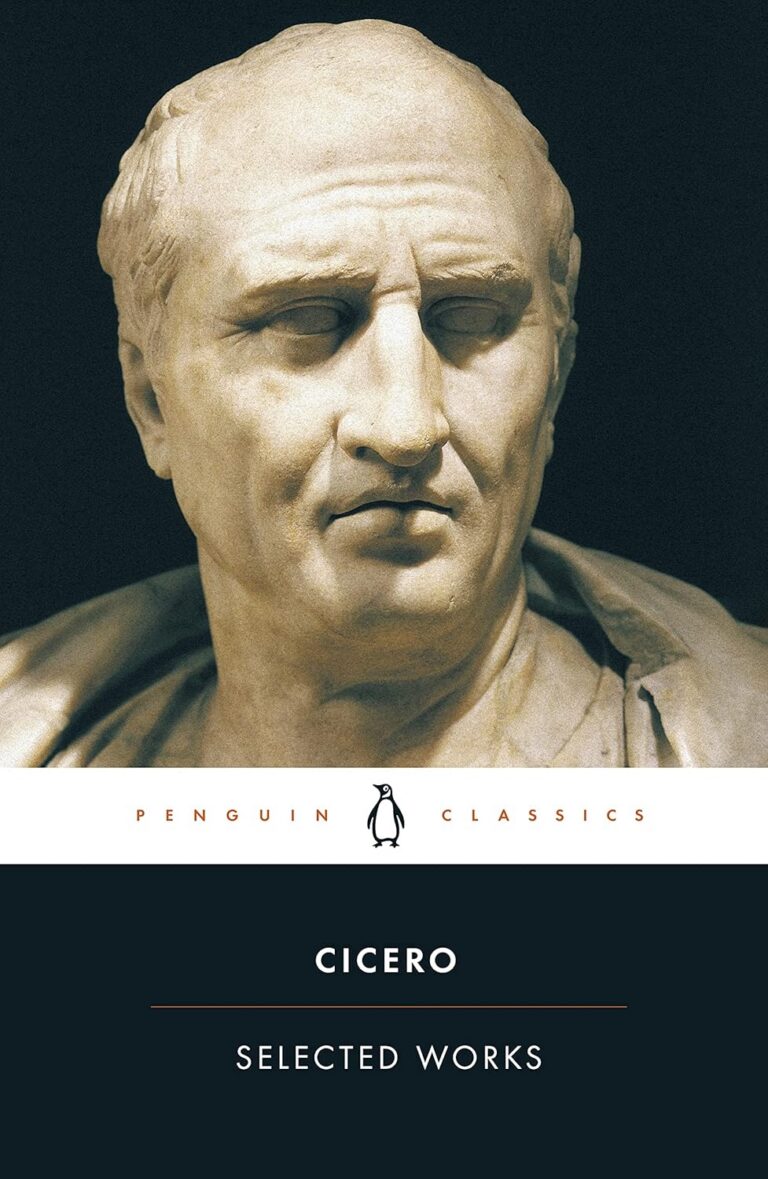
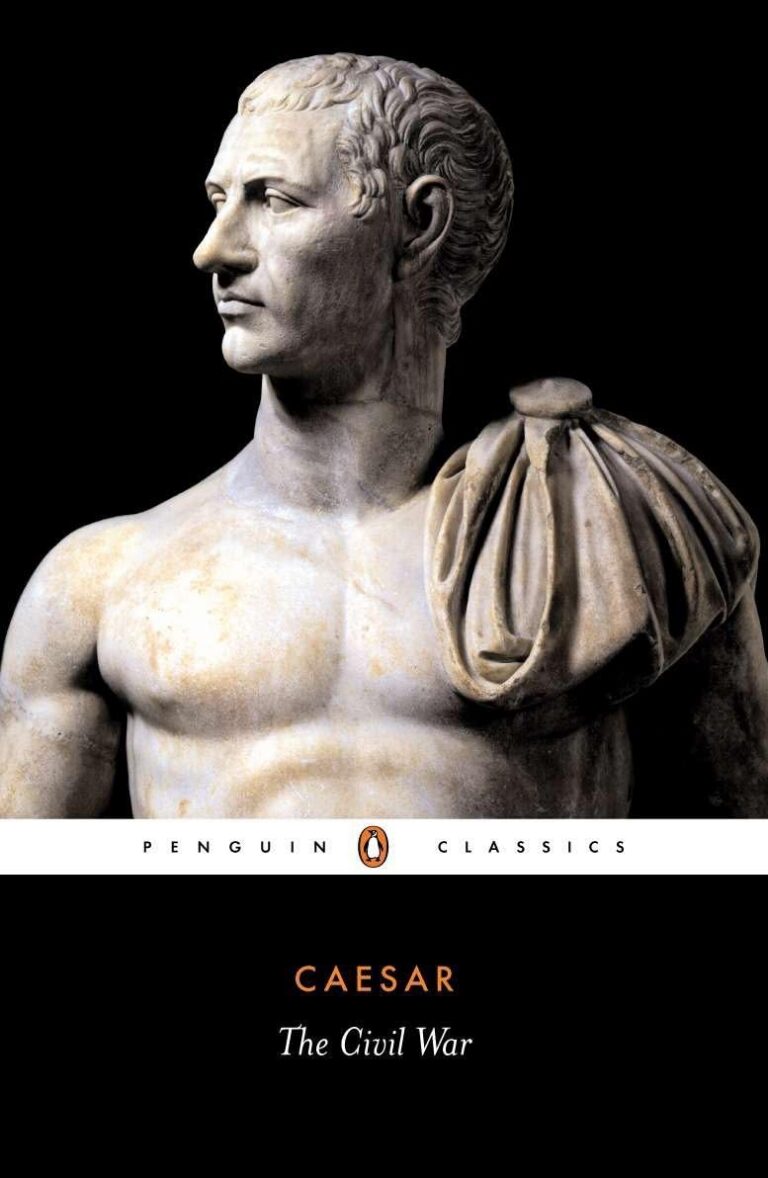
Cicero was a Roman orator, lawyer, philosopher and statesman of the late Republic. His speeches and letters provide one of the richest surviving accounts of Republican politics, especially during the Catilinarian crisis, Caesar’s rise and the civil wars.
As consul in 63 BC Cicero exposed the Catilinarian conspiracy, but his decision to execute Roman citizens without trial later contributed to his exile. He returned to politics during the crises surrounding Caesar and, after Caesar's assassination, attacked Mark Antony in the Philippics. When the Second Triumvirate was formed in 43 BC, Cicero was proscribed and killed; his speeches, letters and philosophical works became foundational texts of Latin prose.
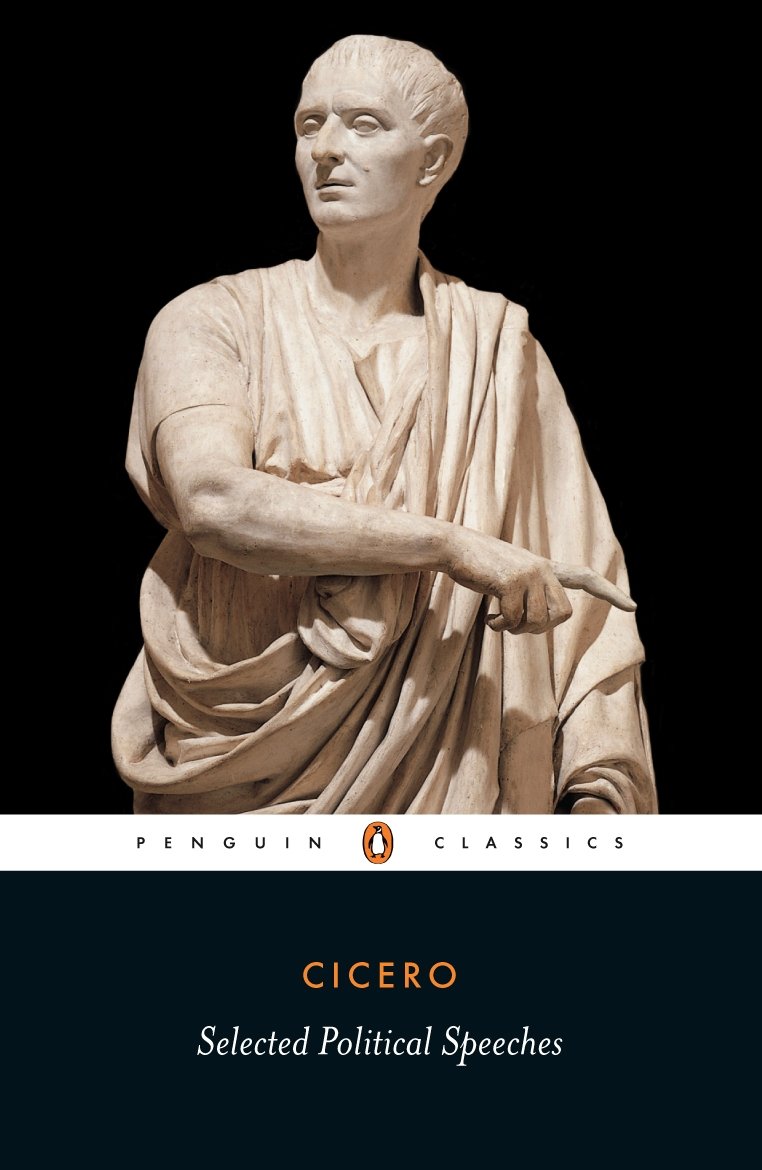
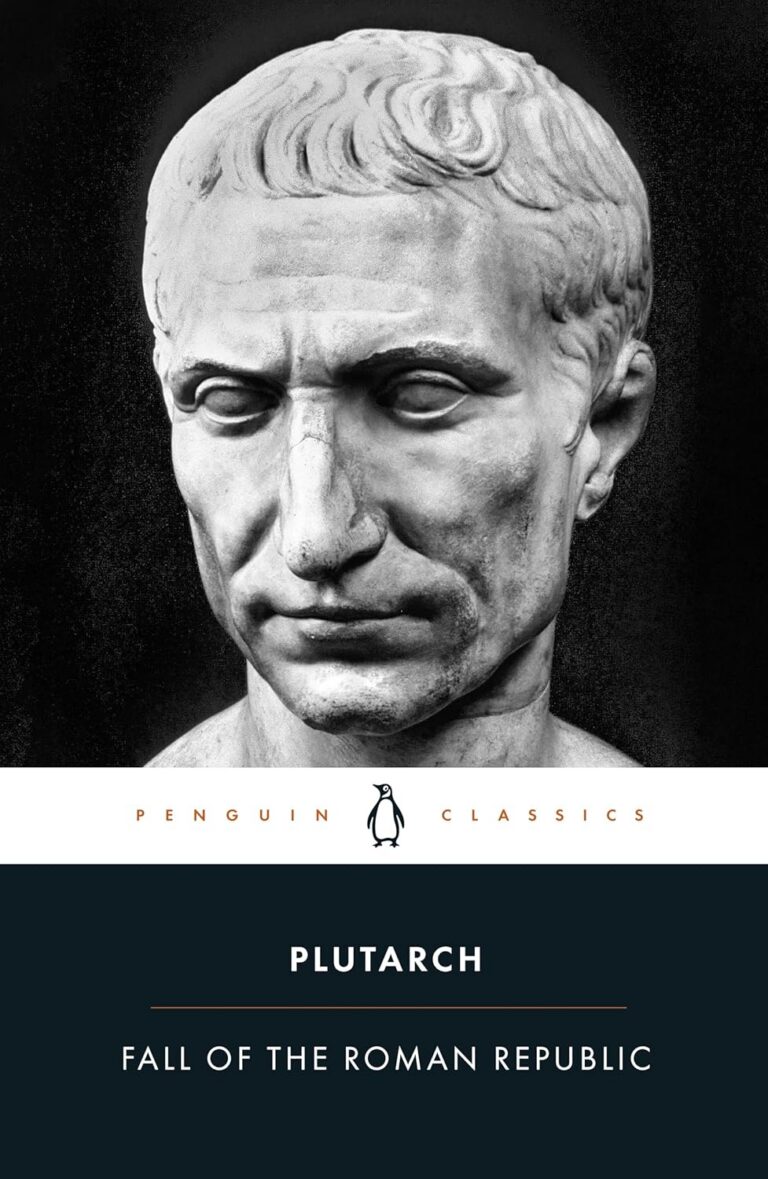
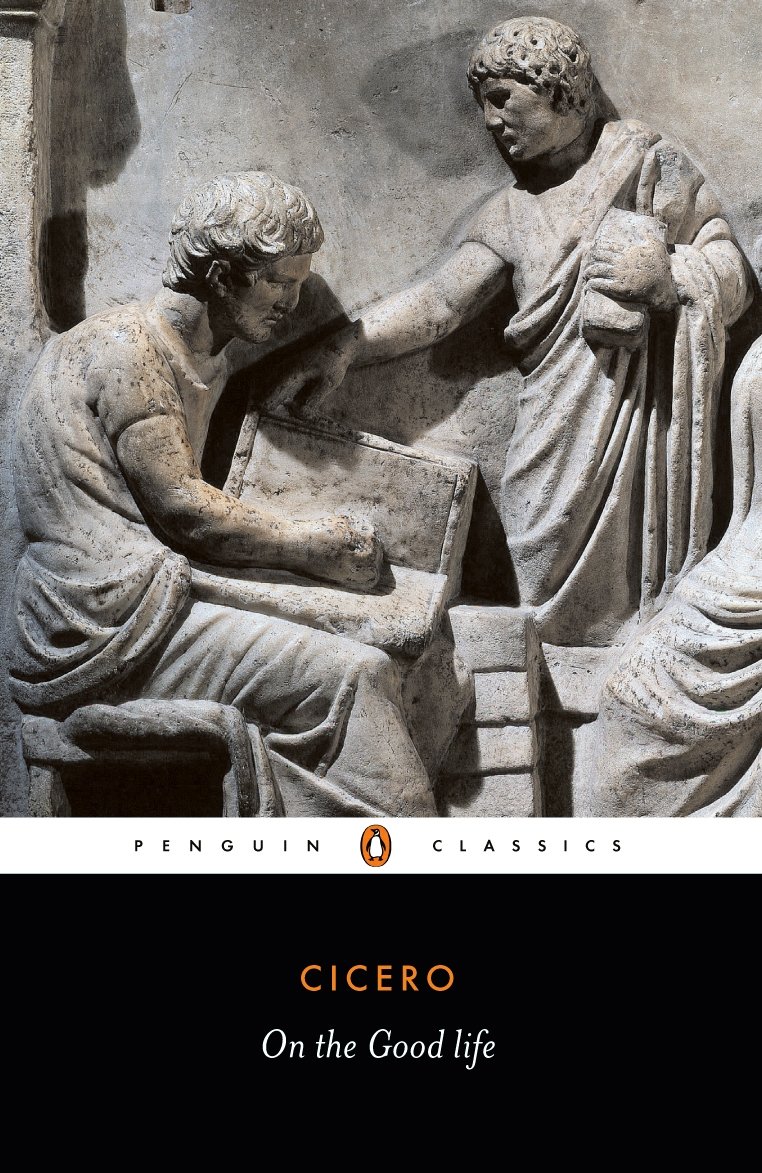
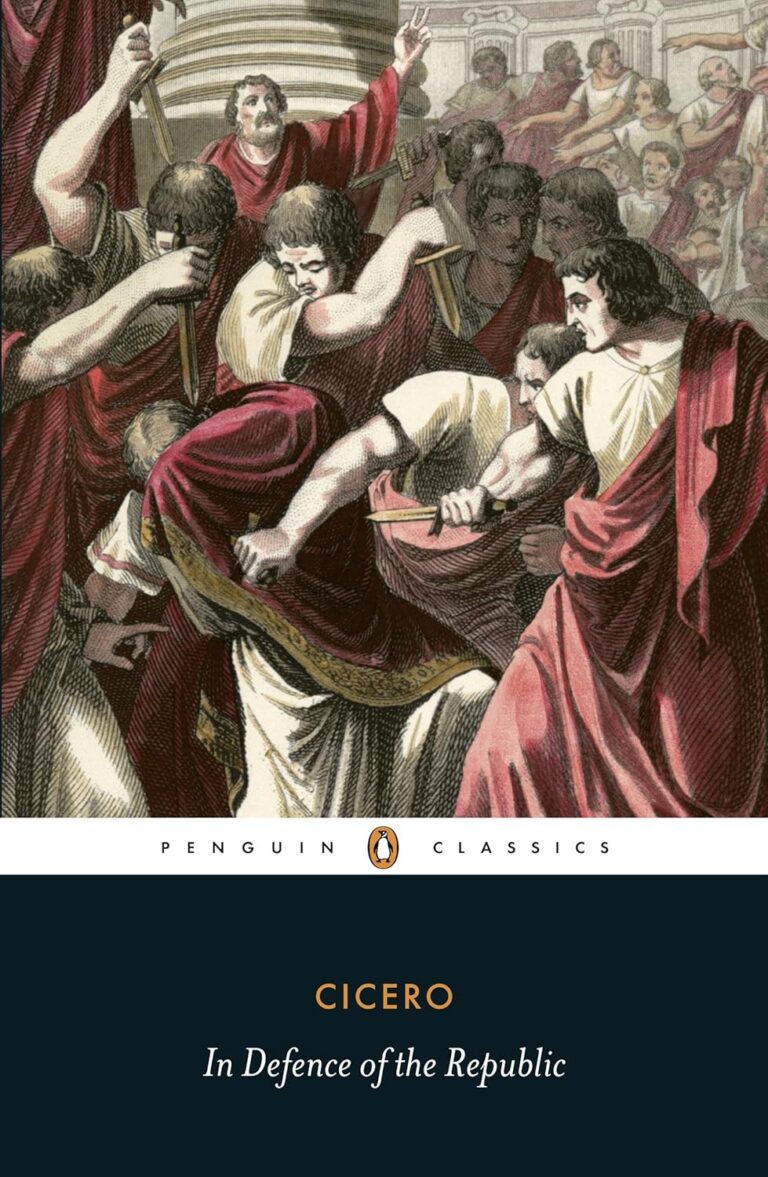
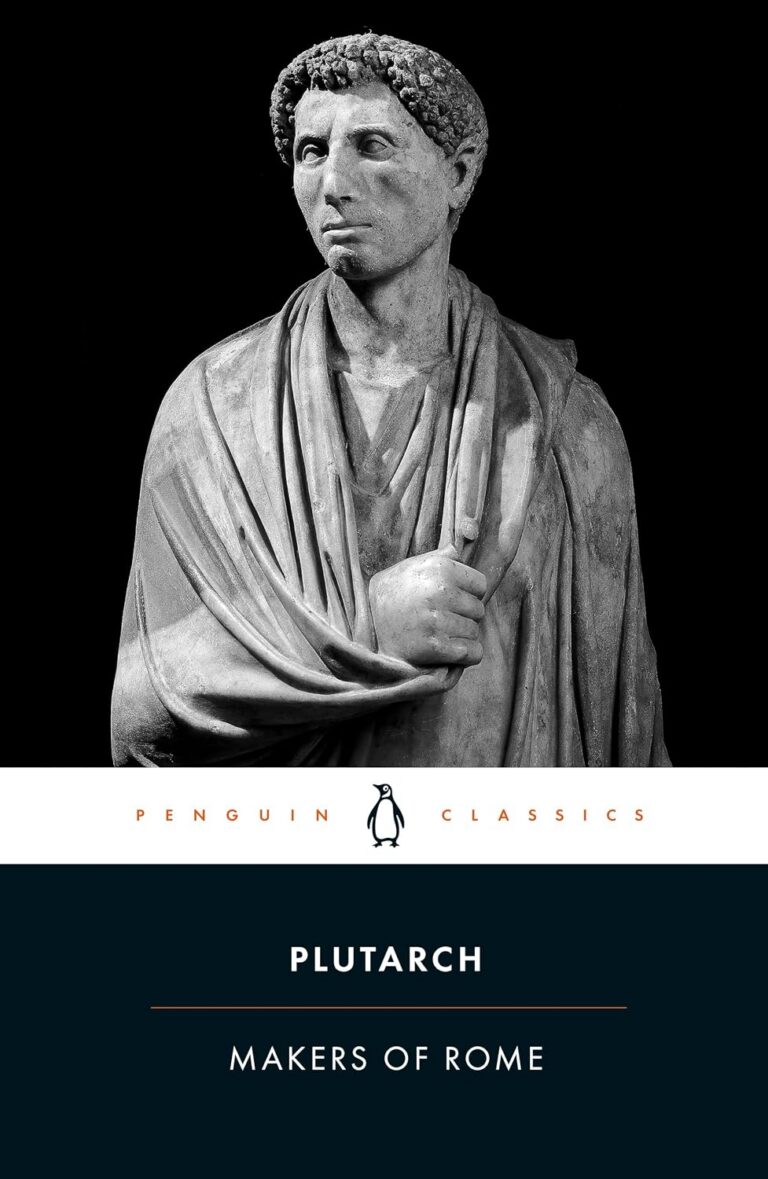
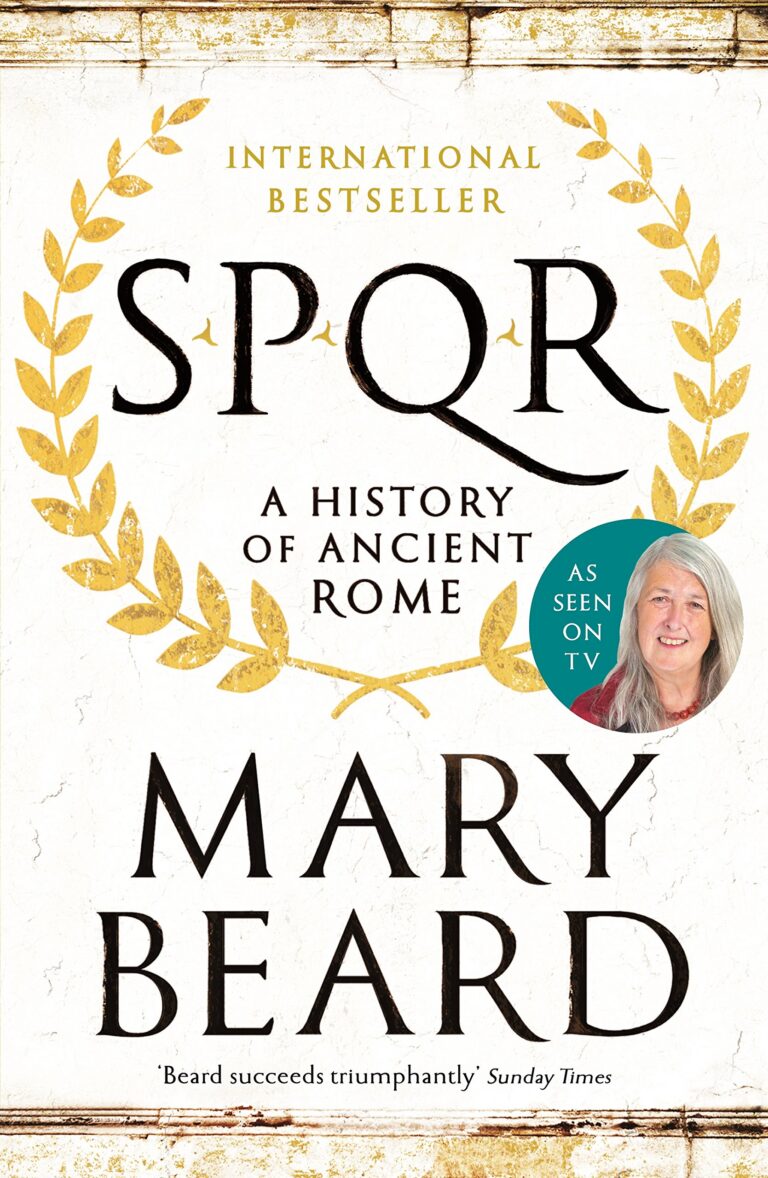
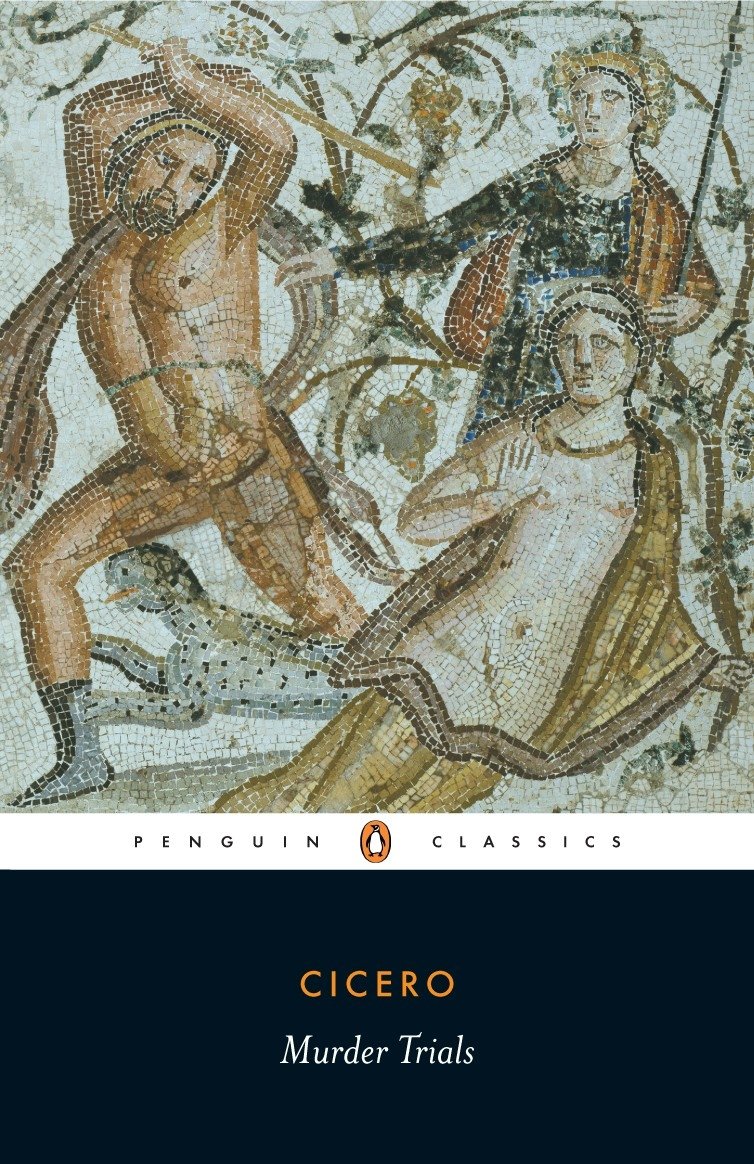
Mary Beard’s Spqr begins with Cicero’s confrontation with Catiline and then moves backwards and forwards through the evidence to explain republican institutions, military expansion, civil conflict and the creation of imperial government. In Plutarch’s Fall of the Roman Republic, this Plutarch selection follows six men whose careers shaped the end of the Roman Republic, usually including Marius, Sulla, Crassus, Pompey, Caesar and Cicero. For broader historical treatment of Cicero, see Cicero’s Selected Works, Cicero’s In Defence of the Republic, Cicero’s Selected Political Speeches, Cicero’s Murder Trials, and Cicero’s On the Good Life.