Otho was a Roman aristocrat, former companion of Nero and governor of Lusitania who became emperor in January AD 69. He organised the murder of Galba after being passed over in the imperial succession, but almost immediately faced the rival claim of Vitellius and the Rhine armies. Otho’s forces were defeated at the First Battle of Bedriacum. Rather than continue a civil war, he took his own life after a reign of only three months.
Otho’s short reign was consumed by the challenge of Vitellius, whose Rhine legions had proclaimed their own emperor. Rather than prolong the civil war, he committed suicide in April 69, an act praised by several ancient writers as a final demonstration of restraint even though his seizure of power had begun with Galba’s murder.
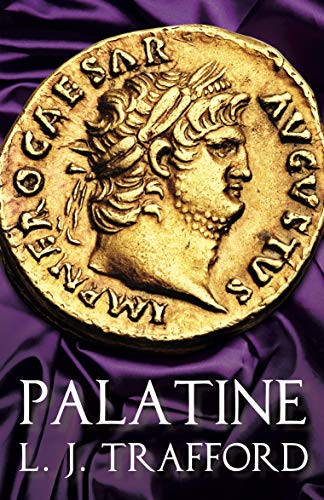
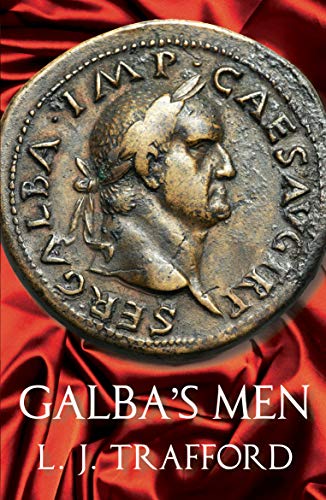
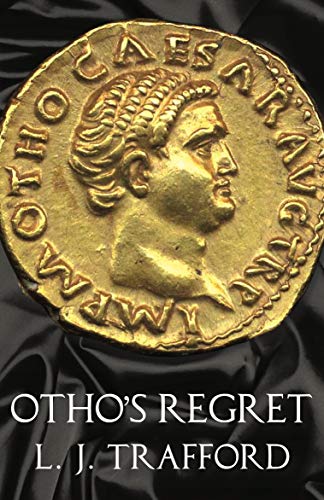
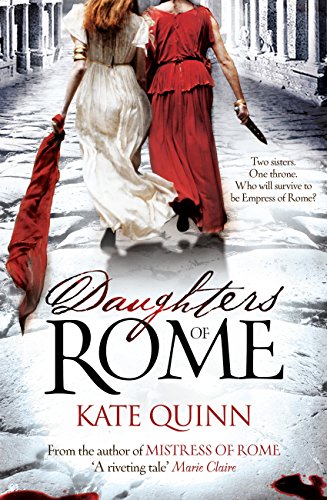
L. J. Trafford’s Galba’s Men follows Otho before his coup, when he expects the childless Galba to adopt him and begins manoeuvring for the succession through palace officials and the praetorian world. Otho’s Regret then makes him emperor, forced to turn the conspiracy that won the throne into a government while Vitellius’s armies advance on Italy. Douglas Jackson’s Sword of Rome places Valerius in Otho’s service during the Year of the Four Emperors, and Enemy of Rome begins with the consequences of Otho’s defeat and suicide. Kate Quinn’s Daughters of Rome shows the repeated coups of 69 CE from inside an aristocratic family, with Otho’s brief reign one of the shocks that destroys any expectation of orderly succession.