Series
Series about Late Medieval France (1 series)
The Accursed Kings in Order
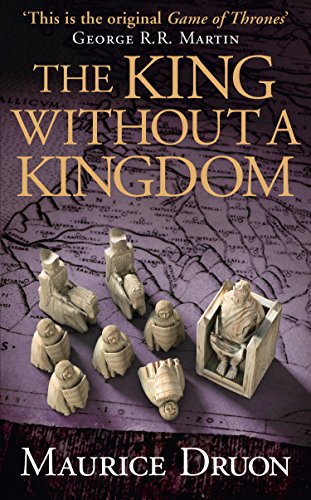
The Accursed Kings follows the French and English monarchies from the final year of Philip IV's reign in 1314 to the capture of John II at Poitiers and the political crisis of the late 1350s. Across seven novels, the direct Capetian line fails, the Valois dynasty takes the…
1. The Iron King
2. The Strangled Queen
3. The Poisoned Crown
4. The Royal Succession
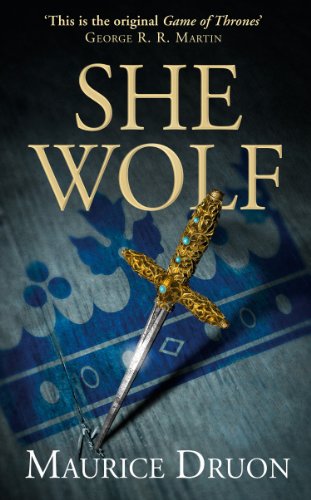
5. The She-Wolf
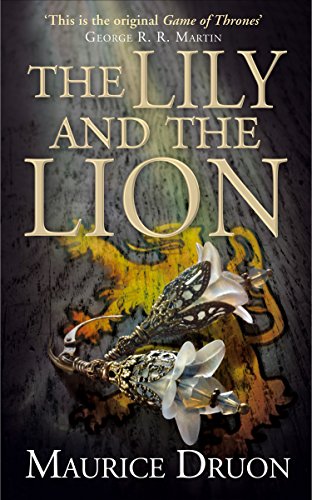
6. The Lily and the Lion