Bernabò Visconti was a ruler of the Visconti dominions in northern Italy and one of the most formidable signori of fourteenth-century Milan. Born around 1323, he was a son of Stefano Visconti and returned from exile after the death of his uncle Luchino. From 1354 he shared power with his brothers Matteo II and Galeazzo II, and after Matteo’s death Bernabò and Galeazzo divided much of the family state. Bernabò governed with a reputation for harsh discipline, aggressive taxation and relentless warfare.
His ambitions brought repeated conflict with neighbouring Italian states and with the papacy, which excommunicated him. At the same time, his government contributed to the increasing centralisation of Visconti power over cities and feudal territories. Dynastic marriages linked his large family to ruling houses across Europe. In 1385 his nephew Gian Galeazzo Visconti lured him to a meeting, arrested him and seized his territories. Bernabò died later that year while imprisoned at Trezzo, leaving Gian Galeazzo free to unite the Milanese dominions under his own rule.
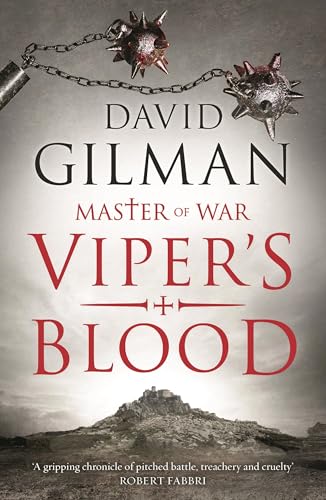
In David Gilman’s Rage of Swords, its setting links Visconti Milan, English war finance and the continuing instability of France and Aquitaine, showing how a war fought over the French crown also depends on bankers, city-states and dynastic marriages far from the main front. Further fictional perspectives on Bernabò Visconti can be found in David Gilman’s Viper’s Blood.