
Historical person
Pierre Gringore
c. 1475–c. 1538
Pierre Gringore was a French poet, playwright and performer associated with the late medieval and early Renaissance group conventionally called the grands rhétoriqueurs. Born in Normandy around 1475, he worked in Paris as an author and theatrical organiser and became closely associated with the satirical company known as the Enfants Sans Souci. Writing under and through the comic persona Mère Sotte, he used allegory, farce and political satire to address the public controversies of the reign of Louis XII.
Among Gringore’s best-known works are Le Jeu du Prince des Sots et de Mère Sotte and a large body of moral, polemical and devotional verse. His writing could serve royal political campaigns, including attacks on papal policy, but his later career also moved toward religious literature. He eventually entered the service of the dukes of Lorraine as a herald. Even his basic chronology remains approximate: the Bibliothèque nationale de France catalogues him as born about 1475 and dying about 1538.
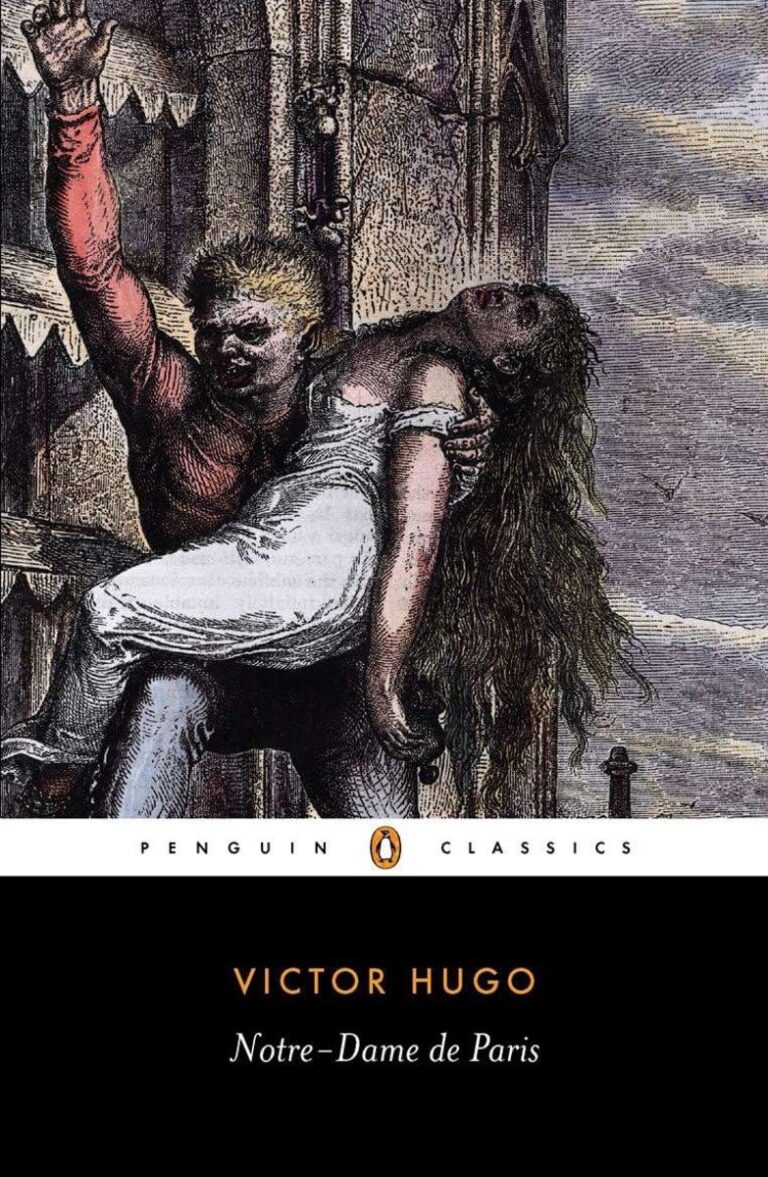
Victor Hugo borrowed Gringore’s name for Pierre Gringoire in Notre-Dame de Paris, set in 1482. Hugo’s Gringoire is an unsuccessful poet and philosopher whose comic misfortunes draw him into the worlds of Esmeralda, Quasimodo and the Court of Miracles. The character uses elements appropriate to a late-medieval Parisian man of letters, but he is not a reliable biography of the historical playwright and should be treated as a freely fictionalised appropriation.
Standalone books
Standalone books featuring Pierre Gringore (1 book)