c. 1320–1394
John Hawkwood was an English soldier who became one of the most famous mercenary commanders of fourteenth-century Italy. After serving in the wars between England and France, he joined the White Company and built a career as a condottiero, fighting for and against a succession of Italian states before entering long-term service with Florence.
Hawkwood probably served in France during the Hundred Years’ War before joining the White Company. He later fought for and against several Italian states, building wealth and political influence through contracts, negotiation and warfare. He died in Florence in 1394. His company connects the Vintaine veterans to the development of the free companies.
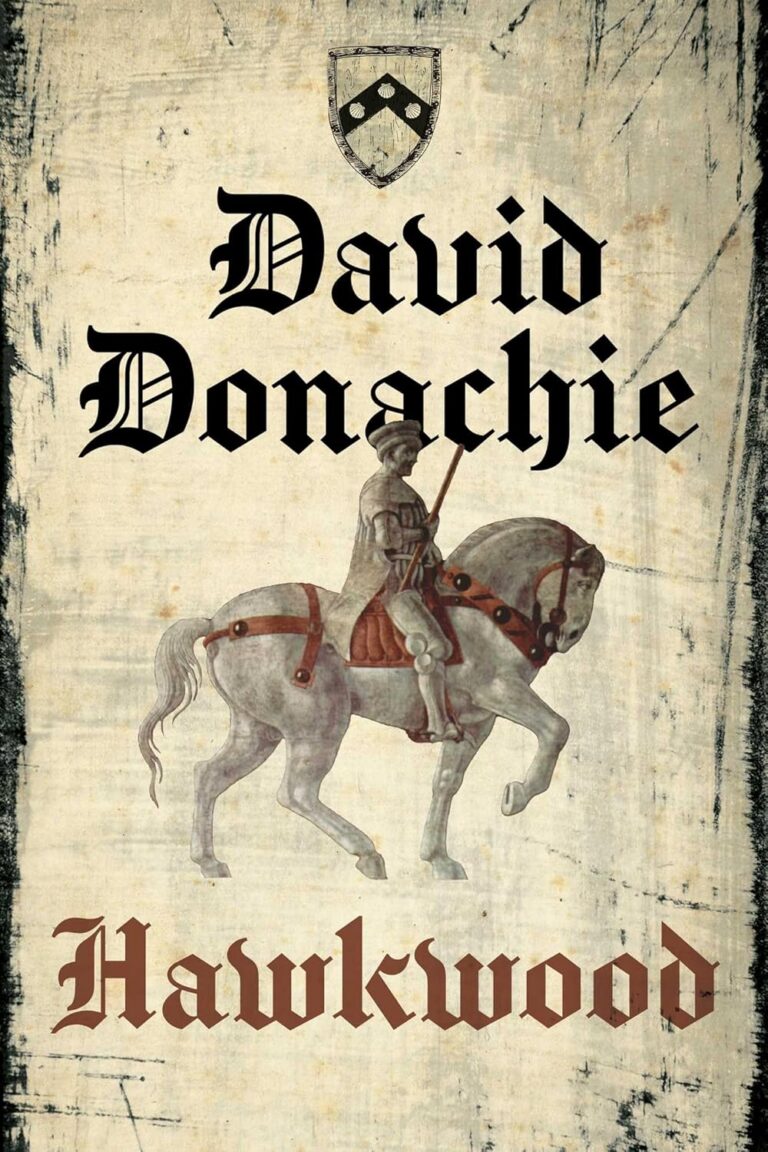
Griff Hosker’s Crécy imagines Hawkwood’s youth and first military experience in the English wars that precede his career as a professional soldier. The White Company follows his transition after Poitiers from royal service into a mercenary company, the step that carries him towards Italy. David Donachie’s Hawkwood makes the mature English captain the protagonist of Italian campaigns in which city-states and popes purchase military skill through contracts rather than feudal loyalty. Christian Cameron’s Hawkwood’s Sword views him through another mercenary captain and emphasises the unstable politics of serving princes for pay. Condottiere presents the older Hawkwood at the height of his reputation, manoeuvring among rival Italian powers and competing papal interests as much by negotiation as by battle.