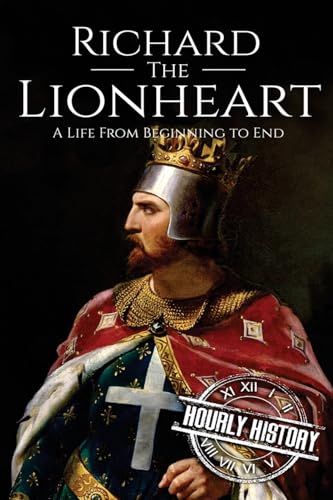
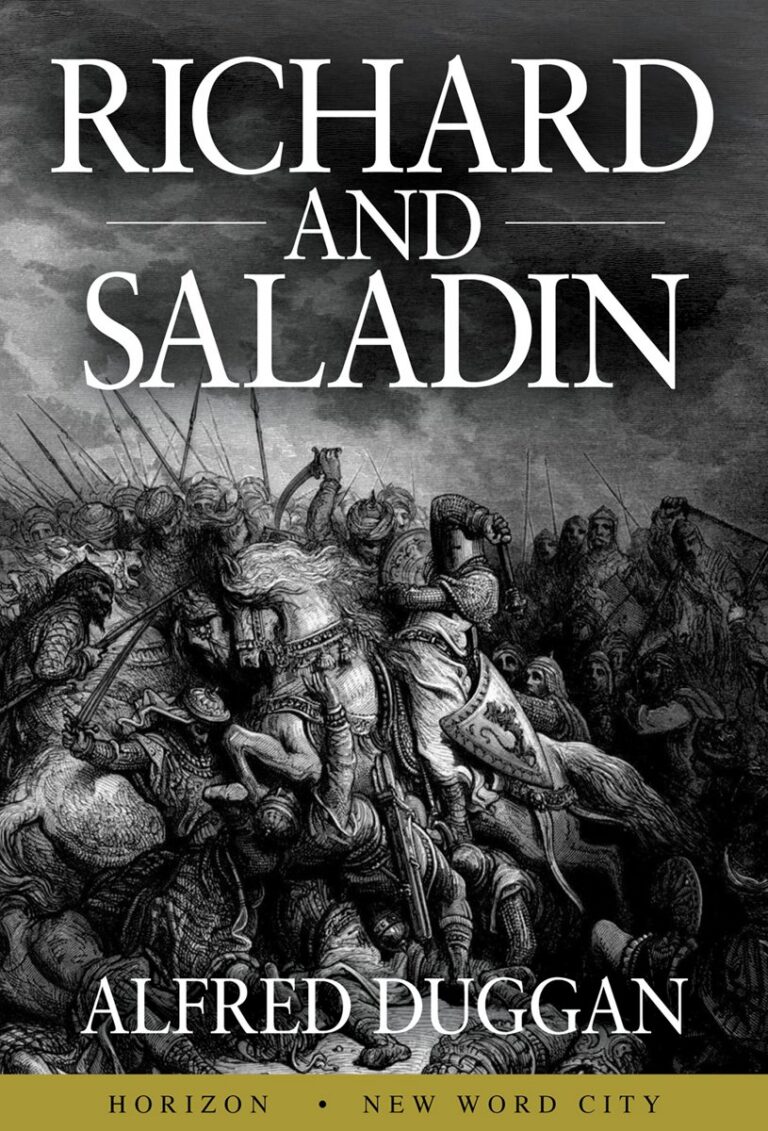
The Third Crusade was launched after Saladin’s victory at Hattin and the fall of Jerusalem in 1187. Richard I of England, Philip II of France, and Frederick Barbarossa were among its leading rulers, though the campaign was marked by rivalry and loss as well as military success. Richard won important victories but did not retake Jerusalem.
The crusade matters because it became one of the most famous confrontations between Latin Christendom and Saladin’s power. It combined royal prestige, diplomacy, siege warfare, coastal strategy, and the limits of military ambition. Its partial success left the crusader states alive but Jerusalem outside Latin control.
The Third Crusade is central to many novels about Richard the Lionheart, Saladin, and the crusader states, including work by Robyn Young, Jan Guillou, and authors of Plantagenet fiction. It supports stories about rival kings, military honour, captivity, diplomacy, and the tension between reputation and political reality.