Morland Dynasty in Order
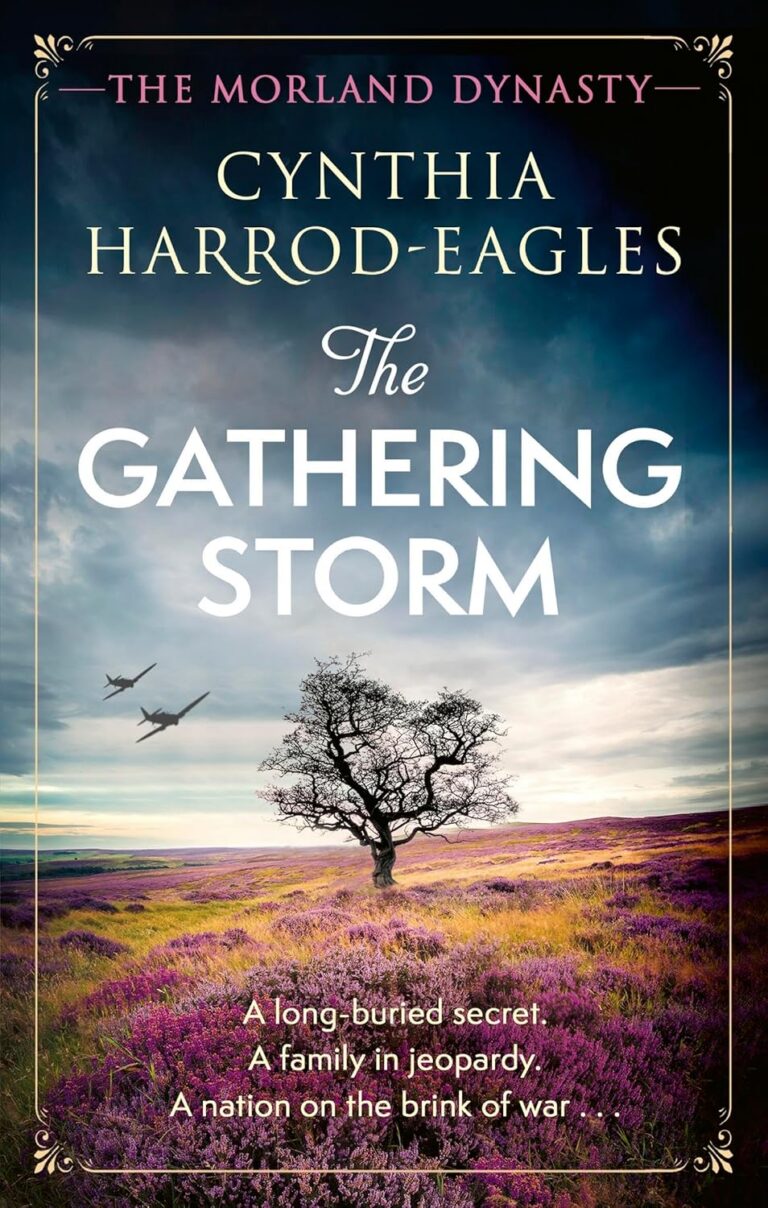
The Morland Dynasty is a thirty-six-book family saga tracing the fictional Morlands of Yorkshire from 1434 to the approach of the Second World War. Beginning with the marriage of Robert Morland and Eleanor, a ward of the Beaufort family, the sequence follows successive generations as Morland Place grows…
All books in this series
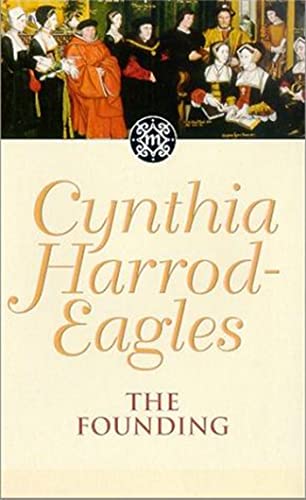
1. The Founding
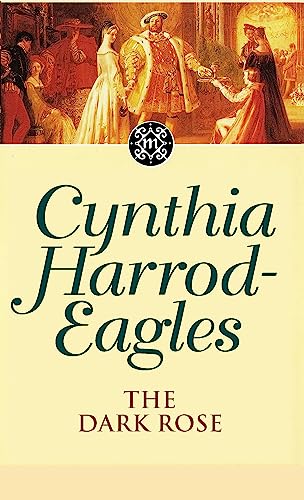
2. The Dark Rose
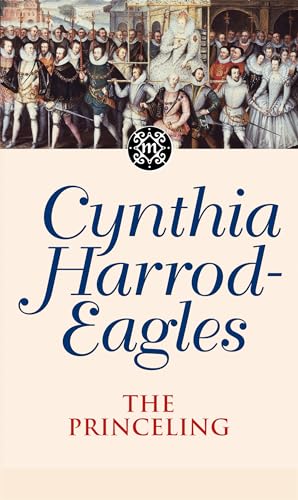
3. The Princeling
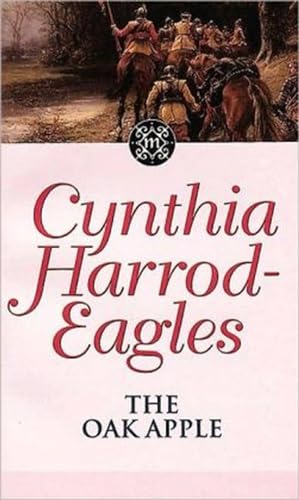
4. The Oak Apple
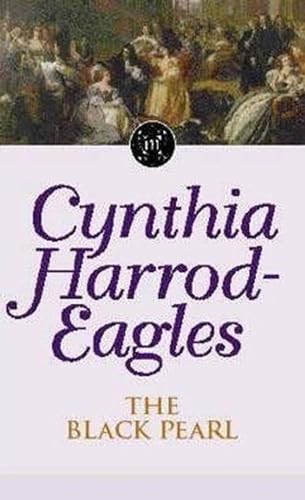
5. The Black Pearl
6. The Long Shadow
7. The Chevalier
8. The Maiden
9. The Flood-Tide
10. The Tangled Thread
11. The Emperor
12. The Victory
13. The Regency

14. The Campaigners
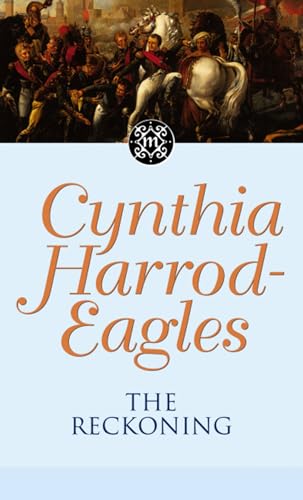
15. The Reckoning
16. The Devil’s Horse
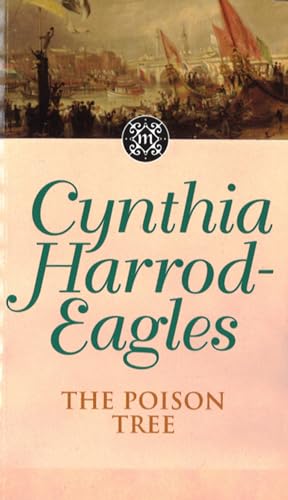
17. The Poison Tree
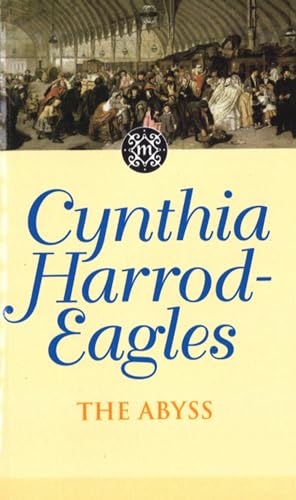
18. The Abyss
19. The Hidden Shore
20. The Winter Journey
21. The Outcast
22. The Mirage
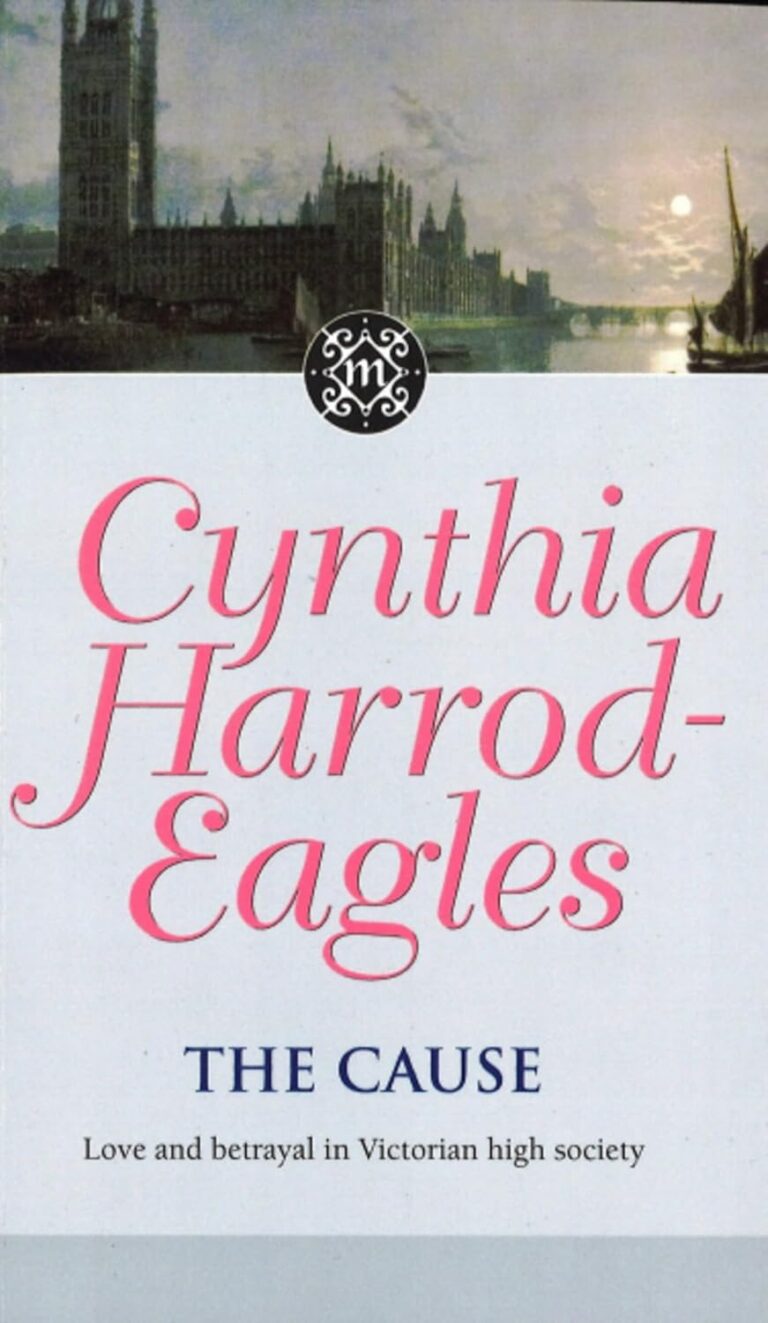
23. The Cause
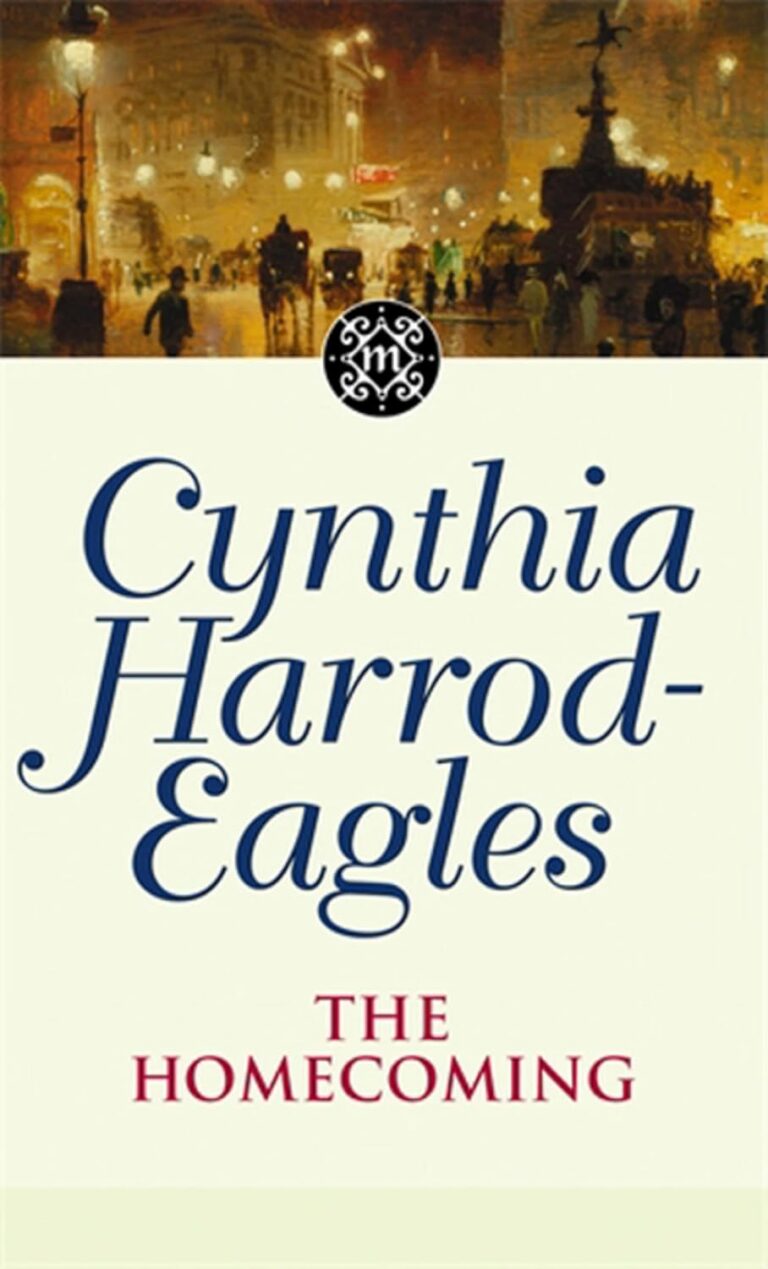
24. The Homecoming
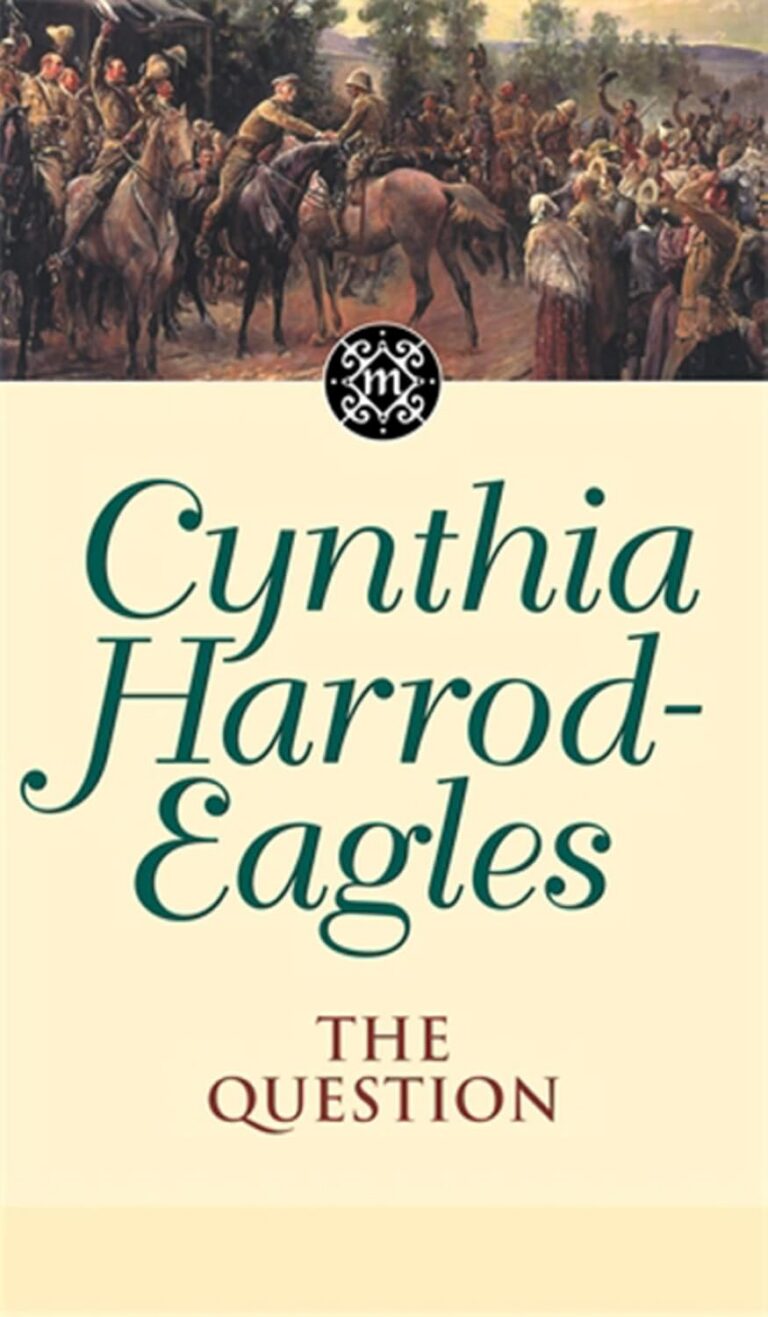
25. The Question
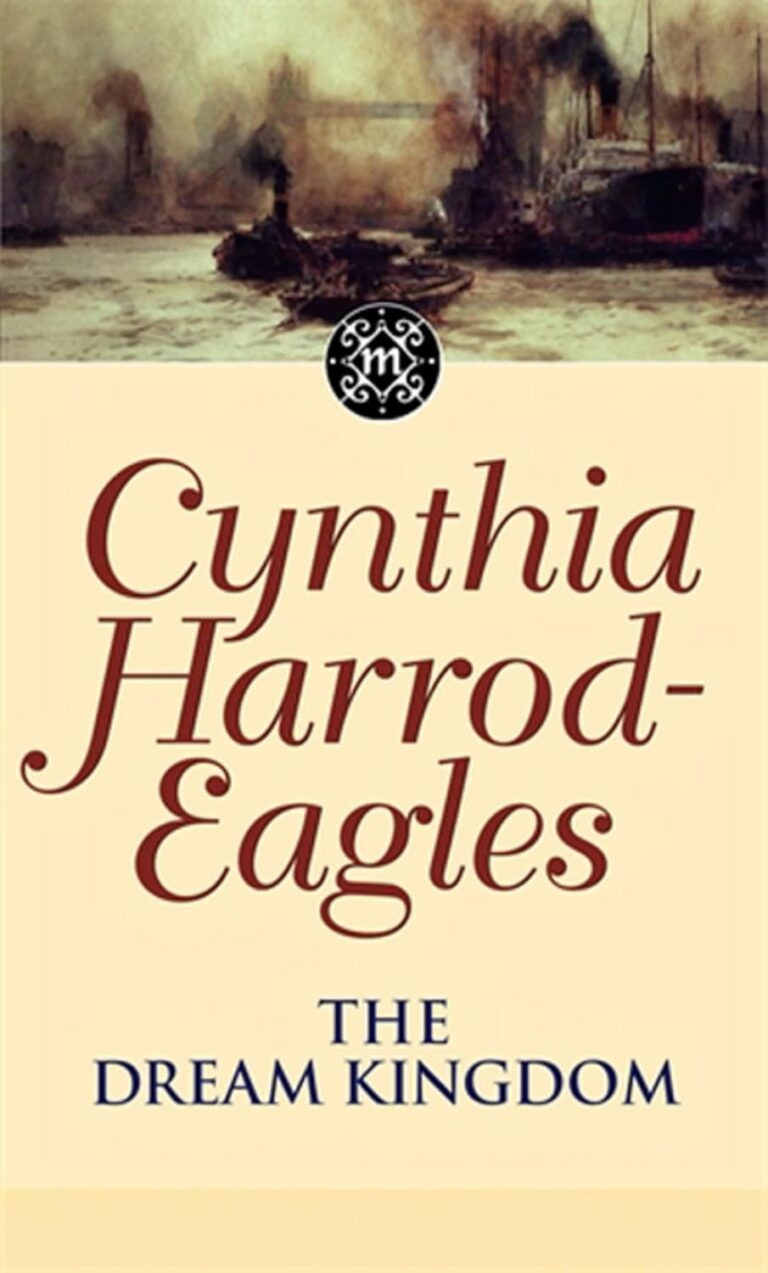
26. The Dream Kingdom
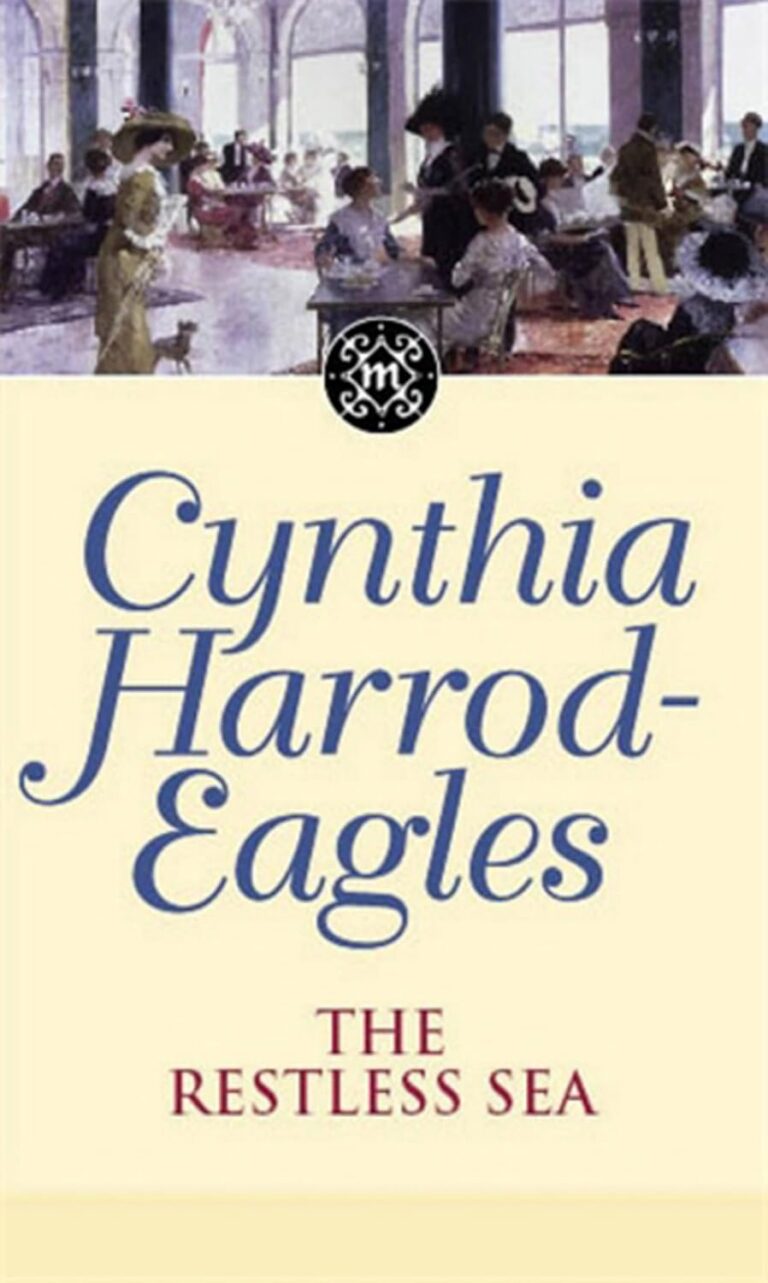
27. The Restless Sea
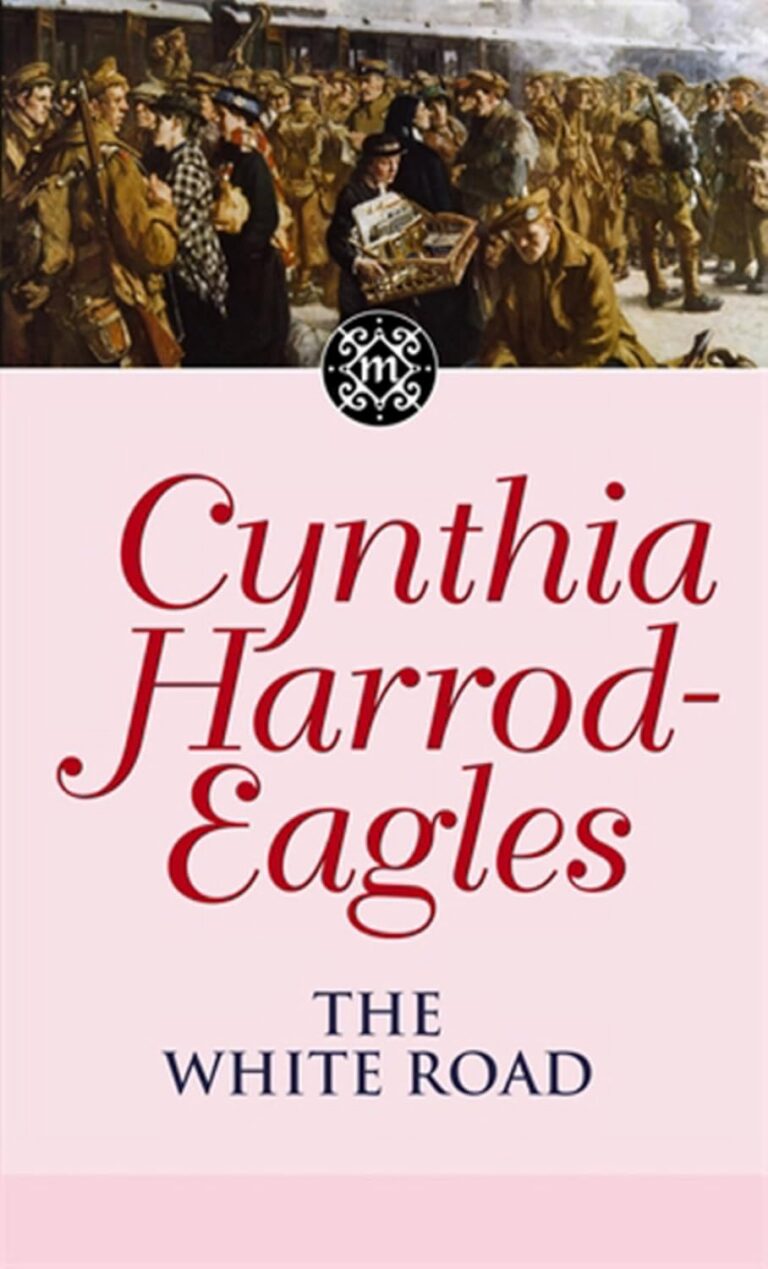
28. The White Road
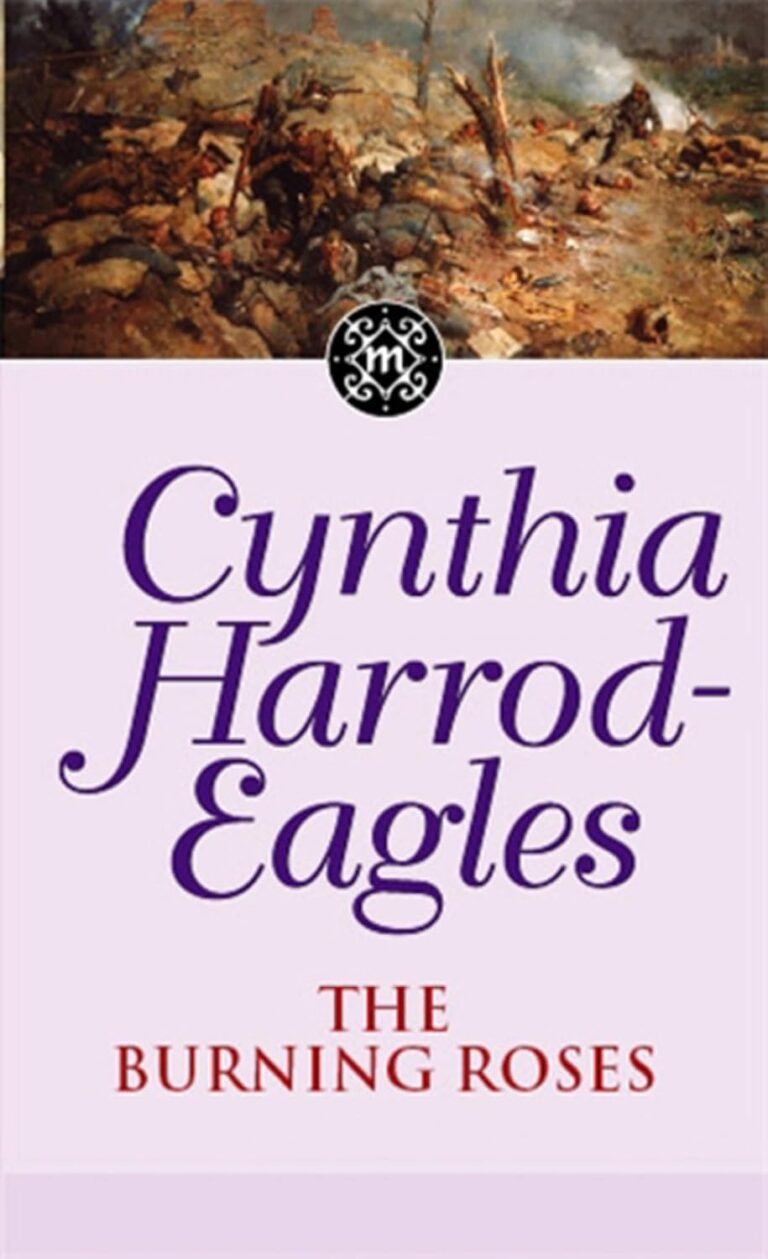
29. The Burning Roses
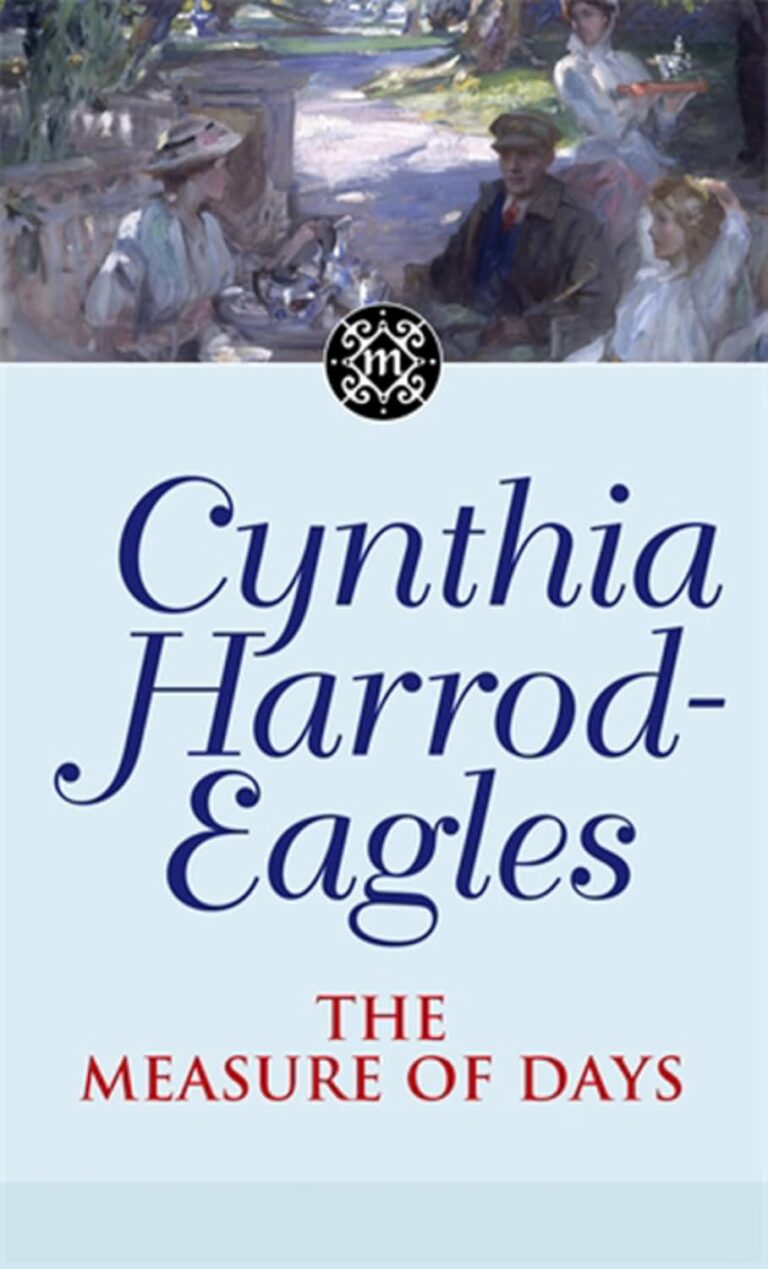
30. The Measure of Days
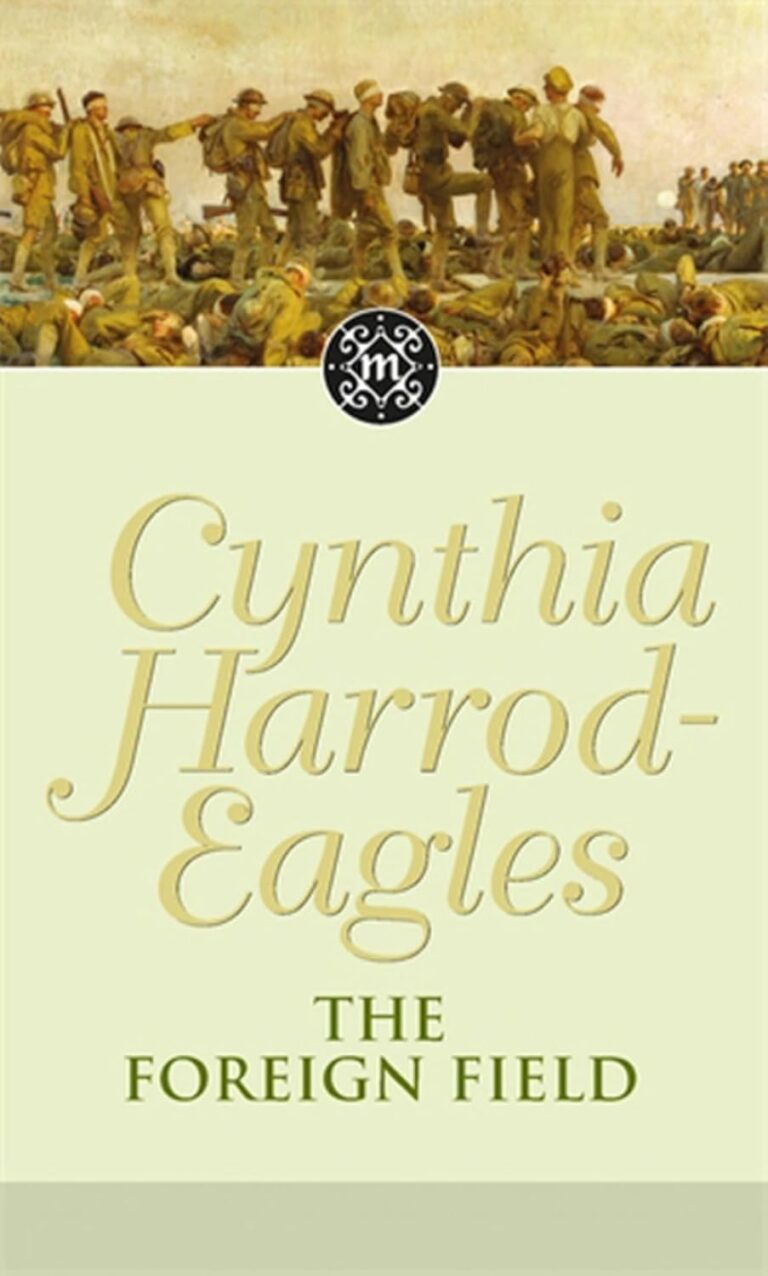
31. The Foreign Field
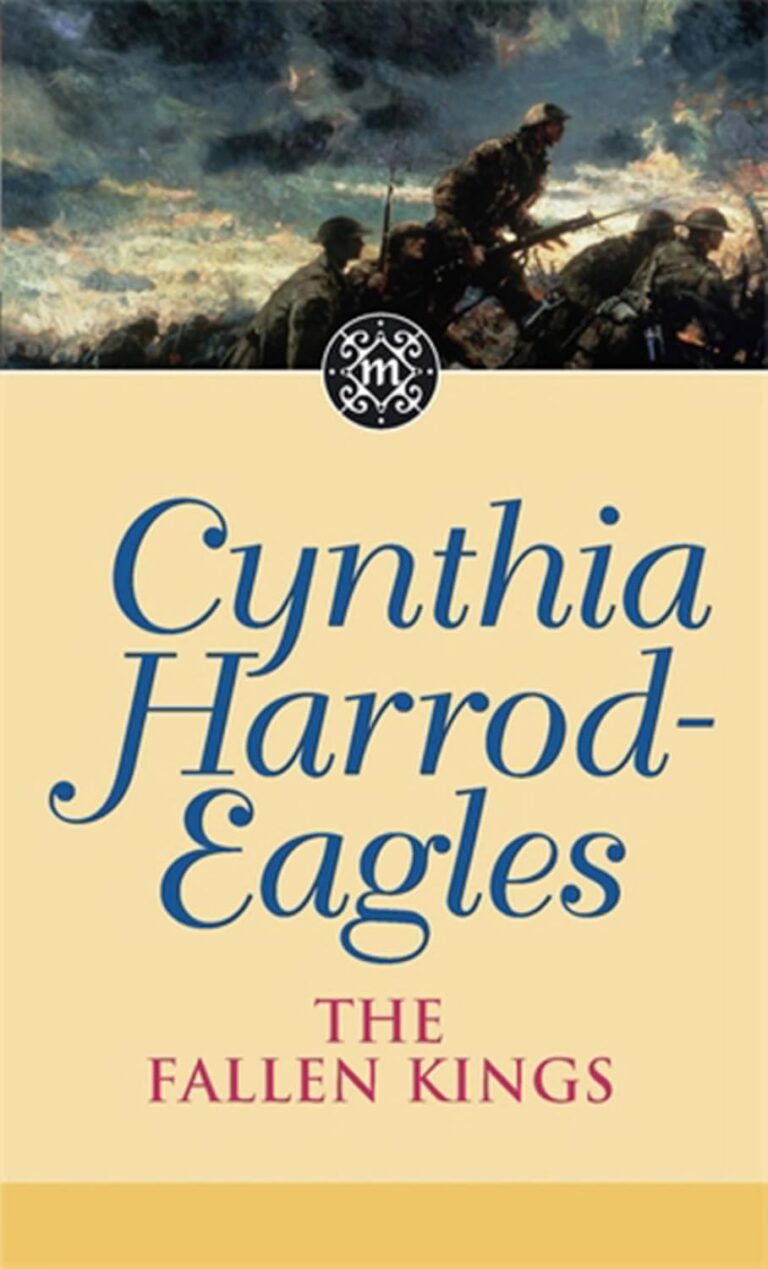
32. The Fallen Kings
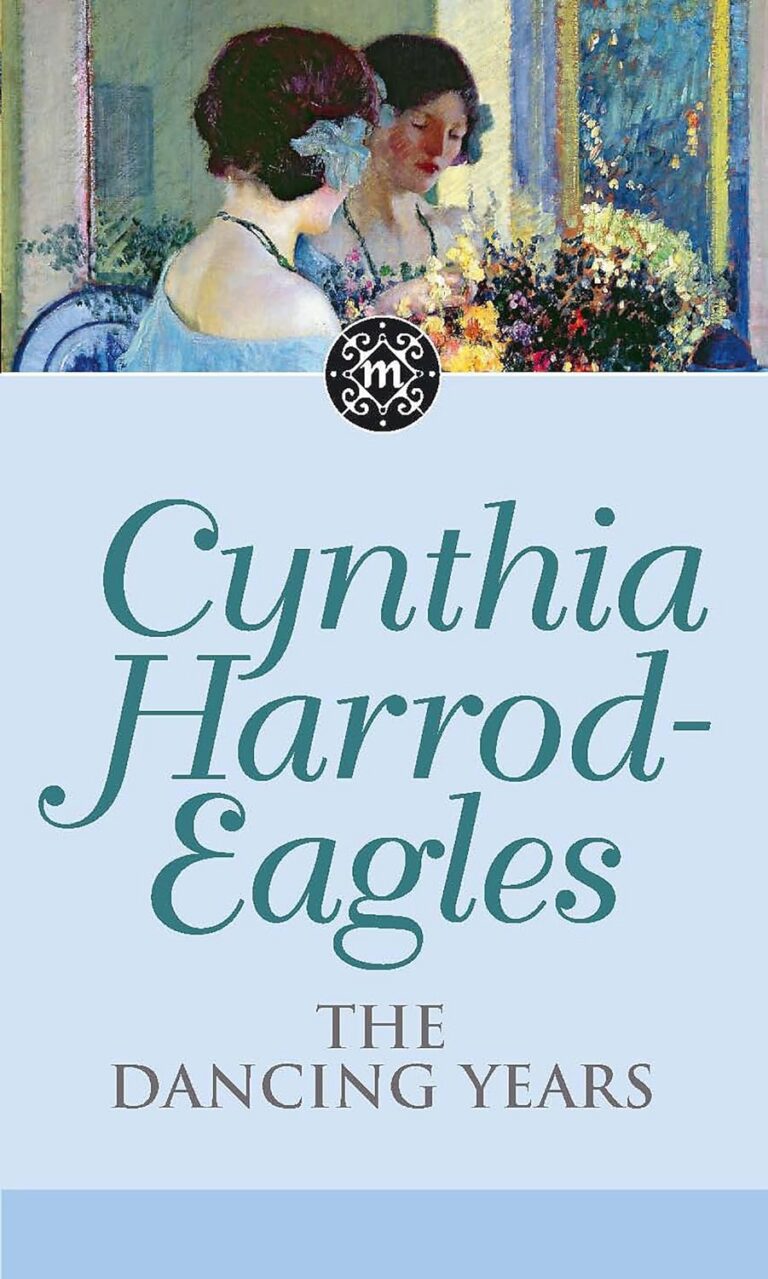
33. The Dancing Years
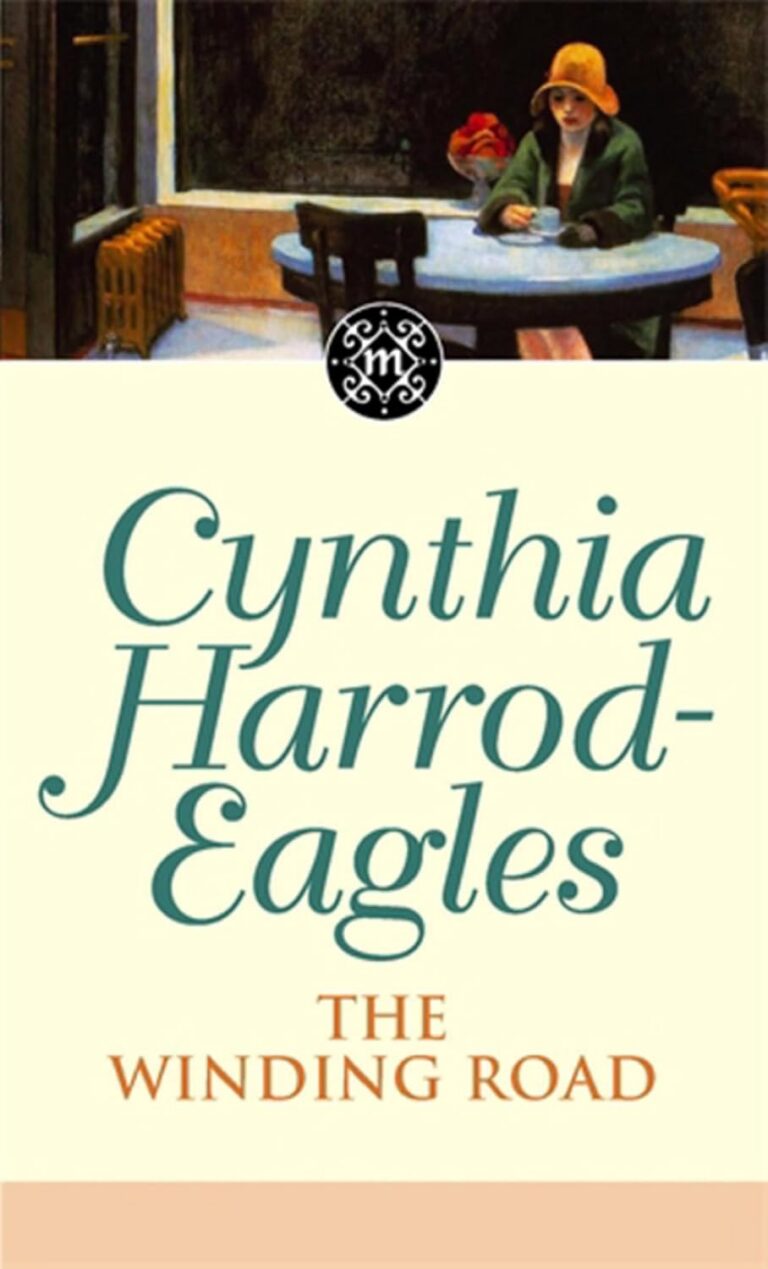
34. The Winding Road
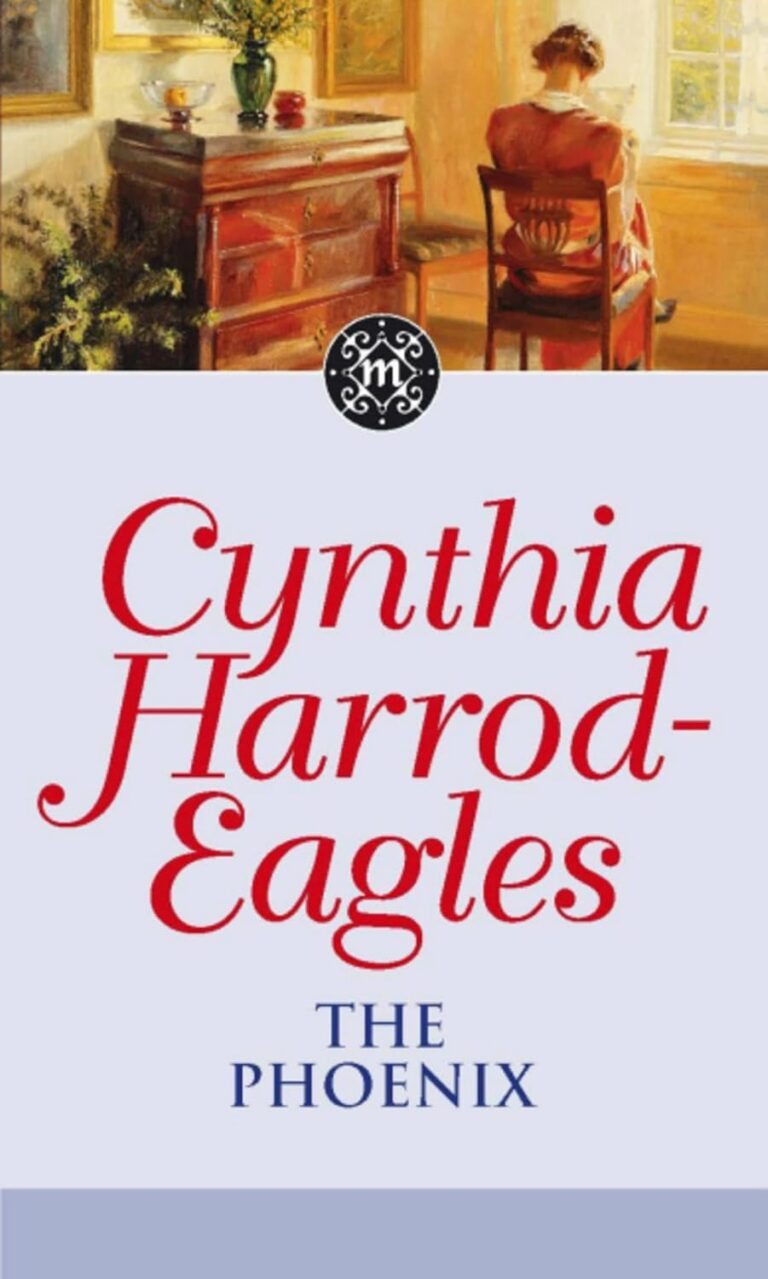
35. The Phoenix