Hadrian ruled the Roman Empire from AD 117 to 138 and abandoned some of Trajan’s recent conquests in favour of consolidation and defensible frontiers. He travelled extensively, inspected armies, reorganised administration and sponsored architecture across the empire, including the wall bearing his name in Britain. His reign also included the destructive Bar Kokhba revolt in Judaea.
Hadrian’s relationship with Antinous and the cult created after the young man’s death became central to his cultural legacy. Marguerite Yourcenar’s Memoirs of Hadrian is the defining modern historical novel about the emperor, presenting his life as a reflective letter to Marcus Aurelius. Yourcenar’s psychologically subtle Hadrian has been highly influential, though it remains an imaginative reconstruction shaped by twentieth-century literary concerns.
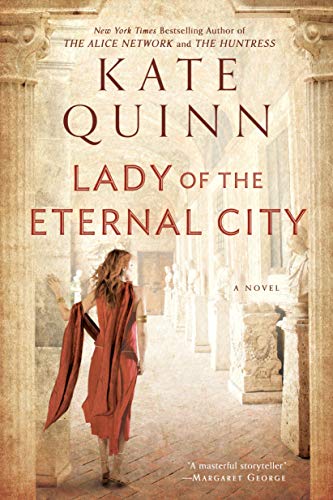
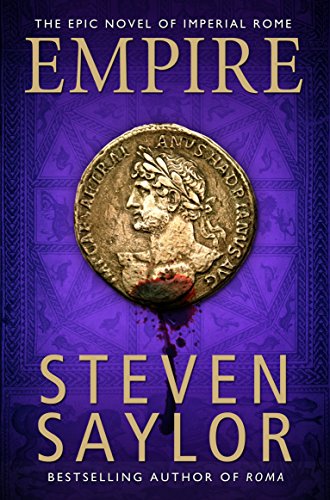
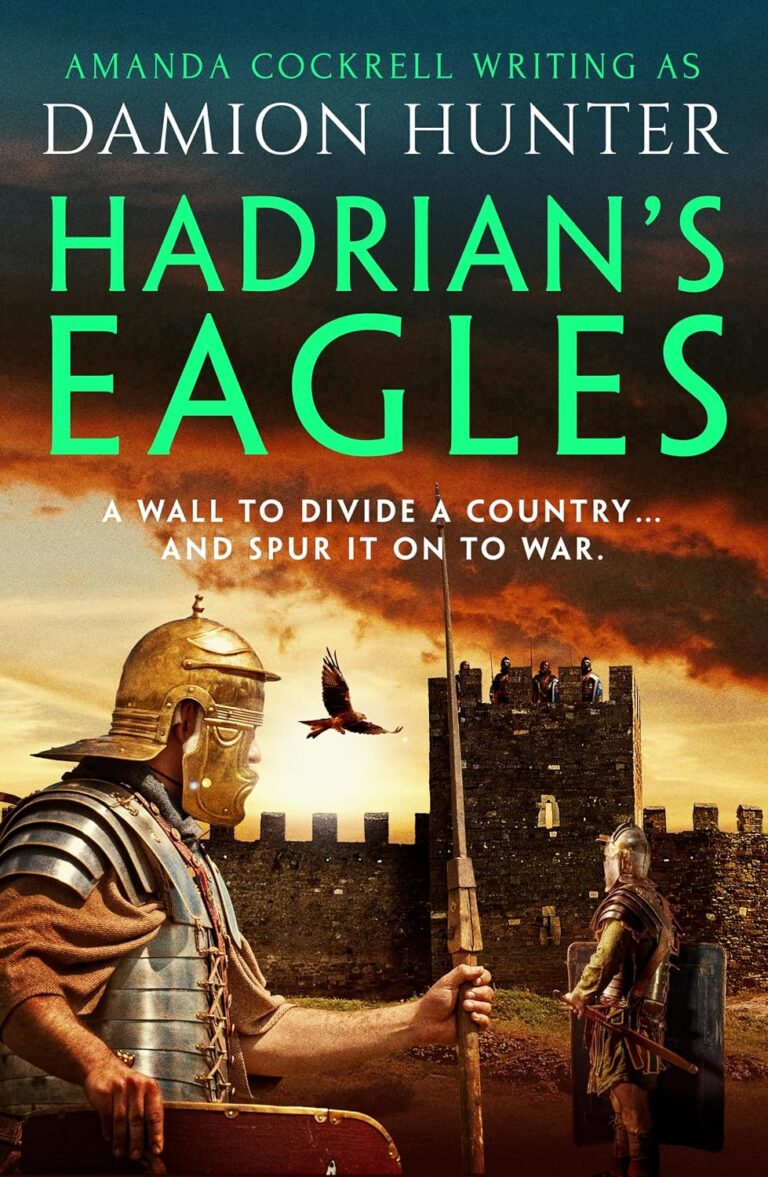
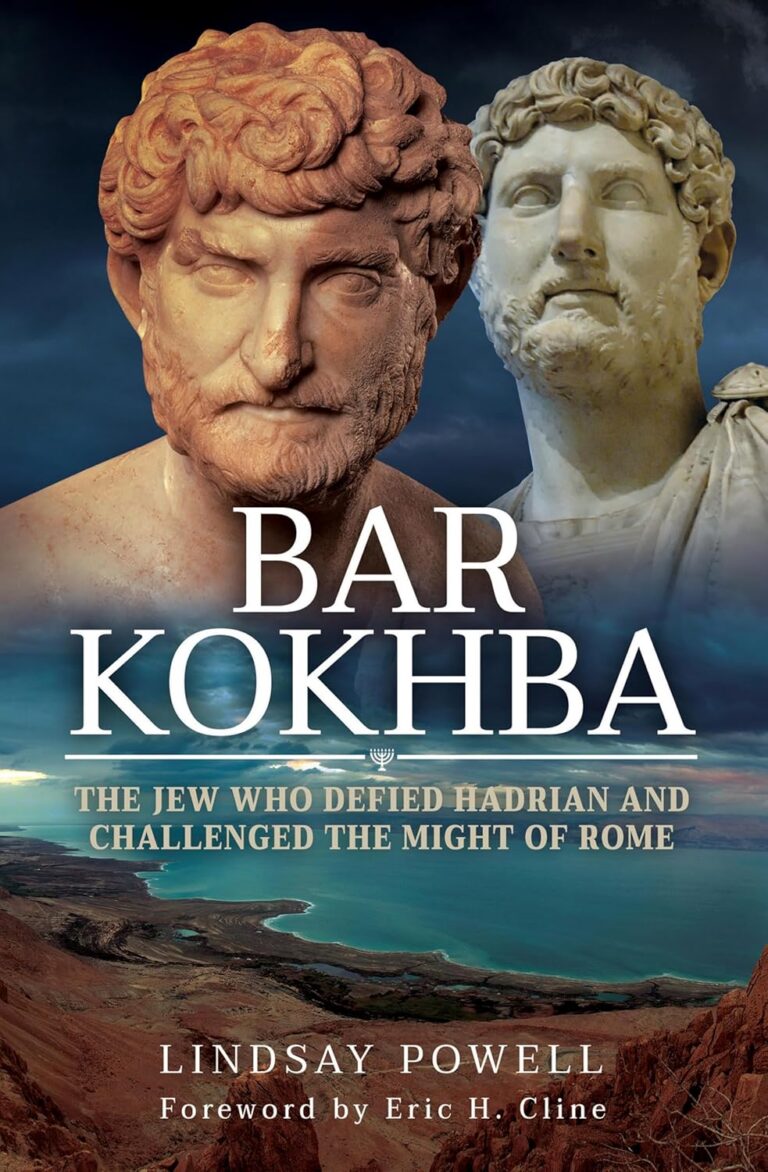
Lindsay Powell’s Bar Kokhba places Hadrian on the imperial side of the revolt that convulsed Judaea from AD 132 to 136, examining the emperor’s policies alongside the career of Shim‘on ben Koseba. Steven Saylor’s Empire carries the Pinarius family into Hadrian’s reign and uses the succession from Trajan to show how much Roman life could depend on the temperament and priorities of one ruler. Kate Quinn’s Empress of the Seven Hills presents Hadrian first as an ambitious successor whose rise unsettles those close to Trajan, while Lady of the Eternal City focuses on his marriage to Sabina, his attachment to Antinous and the grief and isolation that follow Antinous’s death. Amanda Cockrell’s Hadrian’s Eagles shifts to Britain, where the emperor’s decision to abandon further expansion and establish a defensible northern frontier drives the military and political conflict.