Antinous was a young man from Bithynia who became the favourite and companion of the Roman emperor Hadrian. He travelled with the imperial court and drowned in the Nile in AD 130 under circumstances that remain uncertain.
Hadrian responded with extraordinary public commemoration, founding the city of Antinoöpolis, establishing games and encouraging a cult in which Antinous was represented as a god associated with beauty, rebirth and the Nile. Antinous was born in Bolu and died in Nile.
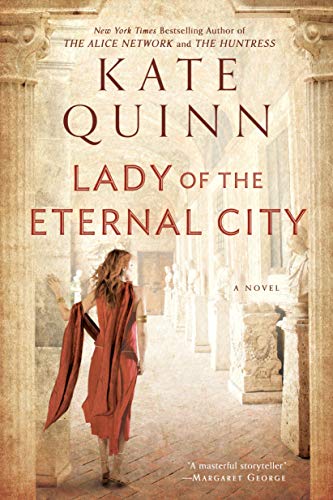
In Kate Quinn’s Lady of the Eternal City, The balance becomes more dangerous when Hadrian's attachment to Vix's son Antinous turns the young man into the centre of the imperial household. In Georg Ebers’ The Emperor, Hadrian, Antinous and Vibia Sabina appear within a broad social panorama rather than as distant names from imperial history.