Trajan was Roman emperor from AD 98 to 117 and presided over the empire at its greatest territorial extent. His conquest of Dacia, campaigns in the east and reputation as an ideal ruler made him one of the most celebrated emperors in Roman memory.
Trajan was born in Italica and died in Selinus. Trajan also held the offices or ranks of Augustus, Roman governor, praetor, and Roman consul. Trajan belonged to the Ulpii Traiani; Nerva–Antonine dynasty and operated within Ancient Rome.
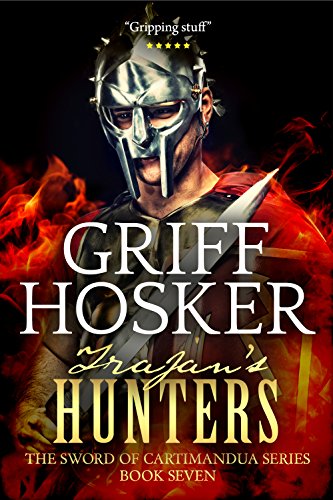
Adrian Goldsworthy’s In the Name of Rome considers how generals such as Scipio Africanus, Caesar, Trajan and others used discipline, logistics, diplomacy and political ambition to win campaigns. In Pliny the Younger’s The Letters of Pliny the Younger, Pliny the Younger’s letters are a key source for elite Roman life under the early empire. They cover villas, patronage, trials, literary culture, provincial administration, the eruption of Vesuvius through Pliny’s eyewitness family testimony, and correspondence with Trajan about Christians and local government in Bithynia. Further fictional perspectives on Trajan can be found in Steven Saylor’s Empire, Adrian Goldsworthy’s The Fort, Simon Turney’s The Iron Gates (Rider of Rome), Griff Hosker’s The Last Frontier, and Griff Hosker’s Trajan’s Hunters.