Books






As an Amazon Associate I earn from qualifying purchases. Affiliate disclosure.
Phase
96–180 CE
The Five Good Emperors period usually refers to Nerva, Trajan, Hadrian, Antoninus Pius, and Marcus Aurelius, ruling from AD 96 to AD 180. It was marked by relatively stable succession through adoption, strong administration, and major building, legal, and military activity. The empire reached its greatest territorial extent under Trajan.
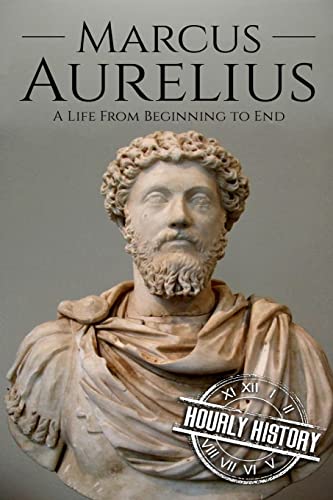
This phase mattered because later writers often viewed it as a model of good imperial government. Yet even this period contained frontier wars, social hierarchy, slavery, plague, and the pressures of governing a vast empire. Marcus Aurelius’s reign especially revealed that stability could be tested by war and disease.
The Five Good Emperors are important for fiction about the high empire at its most confident and administratively mature. Ruth Downie’s Medicus books, Adrian Goldsworthy’s Vindolanda series, Anthony Riches’s Empire novels, and Simon Scarrow’s later imperial military fiction all appeal to readers interested in provincial life, army service, and Roman order beyond the capital. Stories set here often turn on frontiers, governors, physicians, forts, roads, diplomacy, and the costs hidden beneath imperial stability.
Books
Non-Fiction
Histories, biographies and reference works are listed separately from the historical novels above.