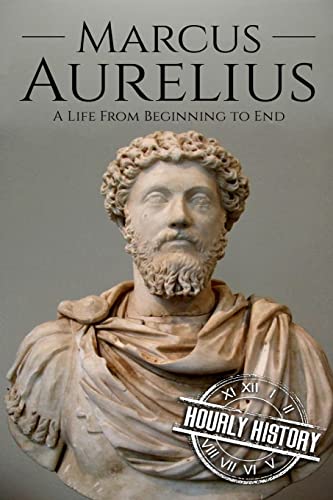
Marcus Aurelius was Roman emperor from AD 161 to 180 and is remembered both as a ruler and as a Stoic philosopher. His reign was dominated by frontier wars, plague and the burdens of imperial duty reflected in his Meditations.
Marcus Aurelius was born in Rome and died in Vindobona. Marcus Aurelius also held the offices or ranks of Augustus, Roman consul, and quaestor. Marcus Aurelius belonged to the Antonines; Aurelies; Nerva–Antonine dynasty and operated within Ancient Rome.
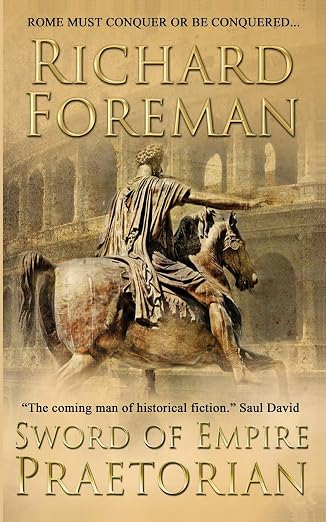
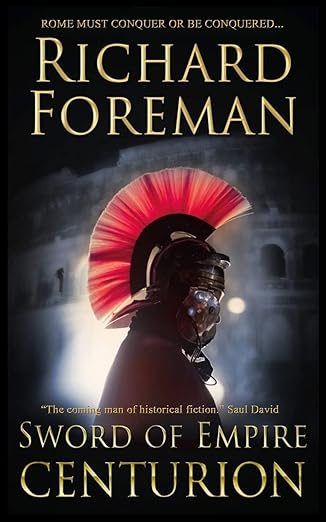
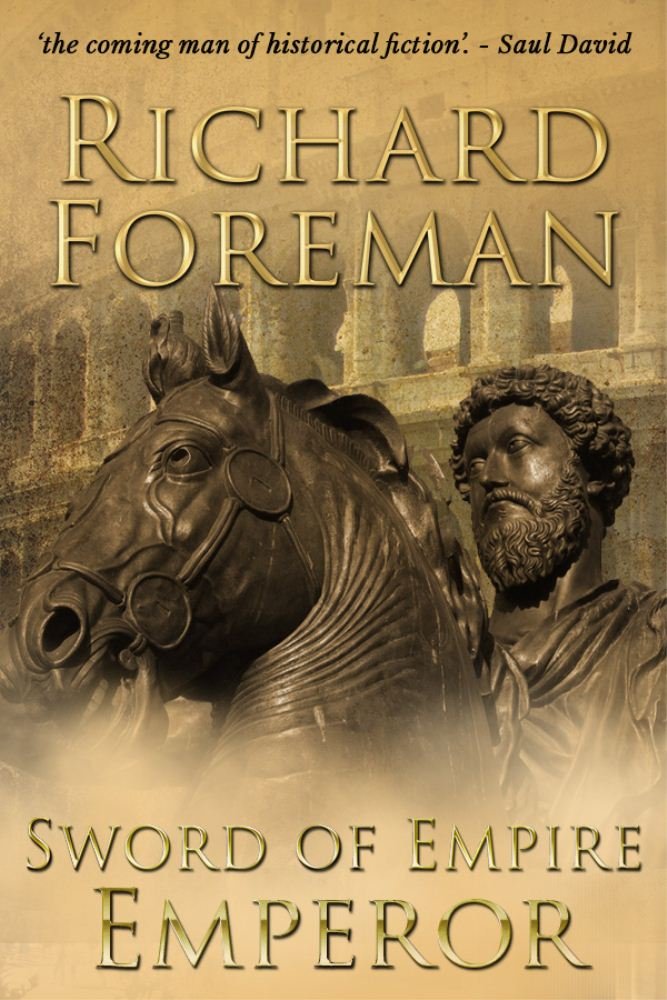
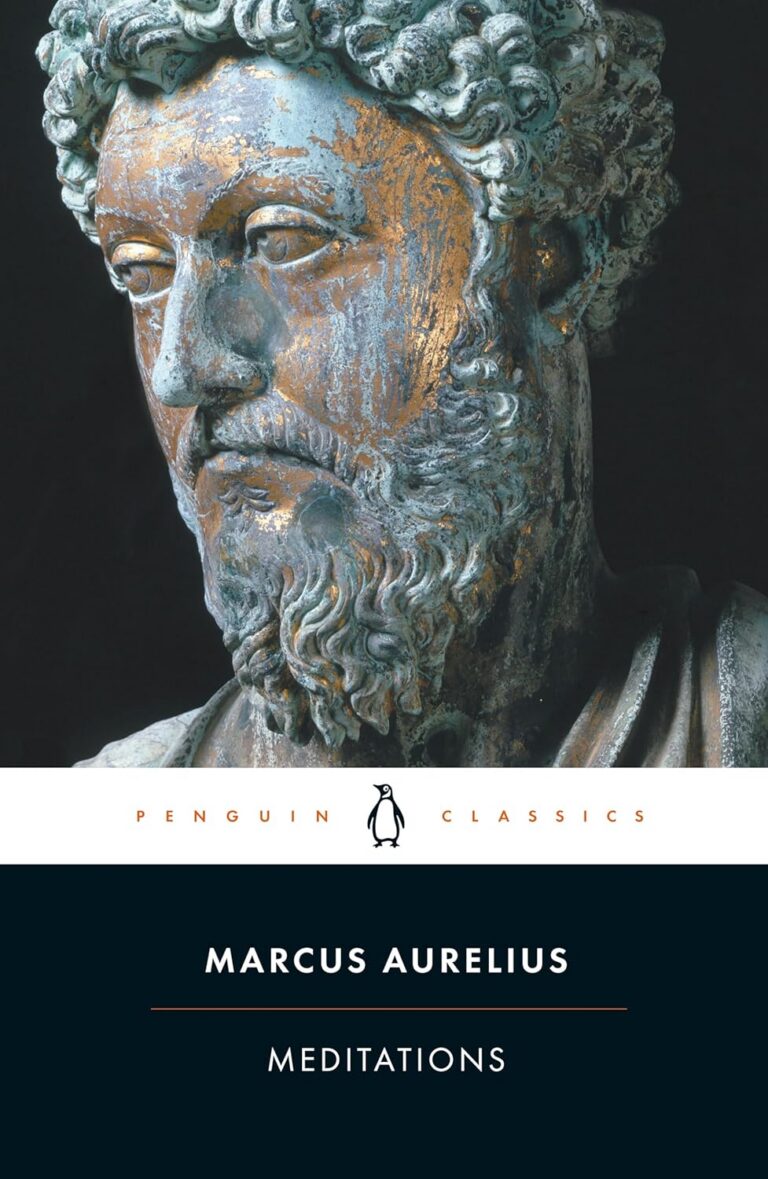
Hourly History’s Marcus Aurelius follows the emperor from adoption into the Antonine dynasty through plague, revolt and the Marcomannic Wars, setting his Stoic reputation beside the practical demands of rule. His own Meditations supplies a very different perspective: private exercises in judgement, mortality and duty written by a ruler repeatedly occupied with war and administration. Richard Foreman’s Praetorian shows Marcus using the Arcani and praetorian officers to pursue diplomacy on the German frontier, while Centurion brings the danger back to Rome as conspirators exploit the emperor’s absence on campaign. In Emperor, Marcus’s willingness to pardon the fugitive Maximus depends on one final mission against the Marcomanni, while the looming succession of Commodus gives the ageing emperor’s choices additional weight.