A Billy Boyle WWII Mystery in Order
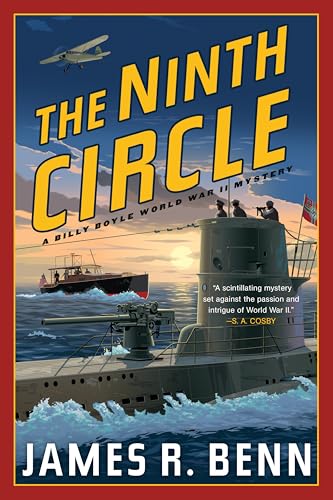
Boston police detective Billy Boyle expects a safe wartime posting when family connections place him on the staff of General Dwight D. Eisenhower. Instead, Eisenhower uses Billy as a military investigator, sending him to solve murders, thefts and intelligence failures that could damage Allied operations or expose politically…
All books in this series
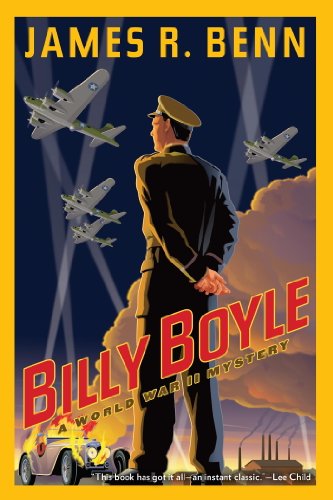
1. Billy Boyle
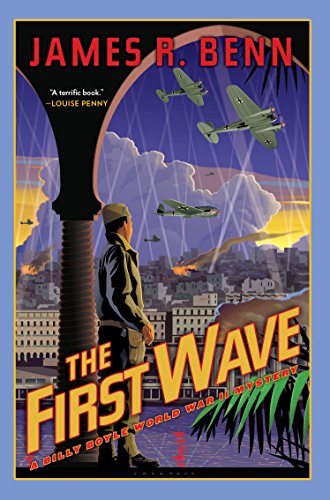
2. The First Wave
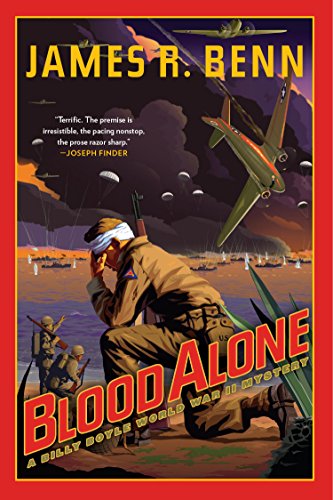
3. Blood Alone
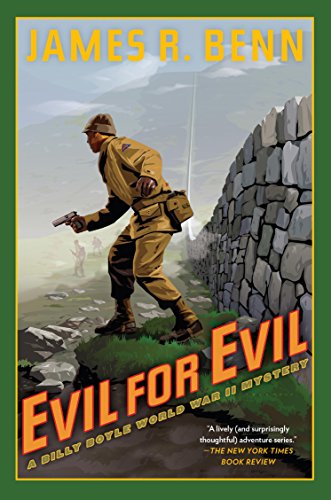
4. Evil for Evil
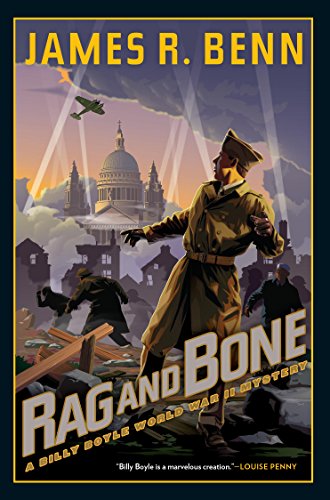
5. Rag and Bone
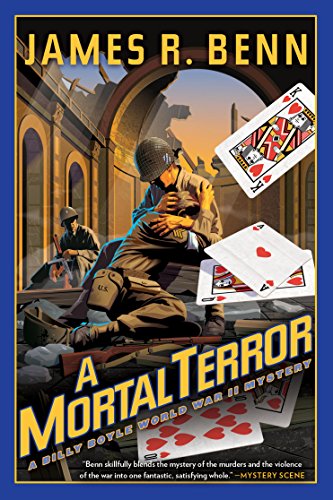
6. A Mortal Terror
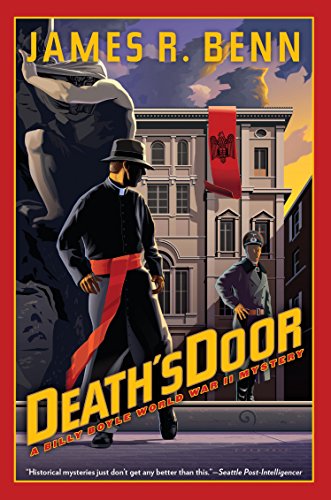
7. Death’s Door
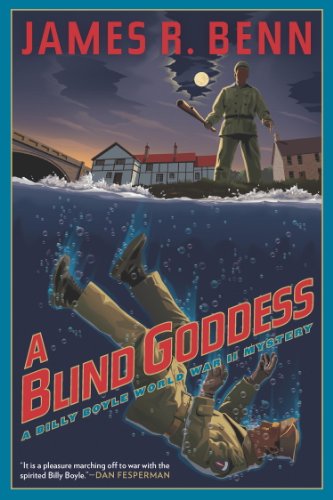
8. A Blind Goddess
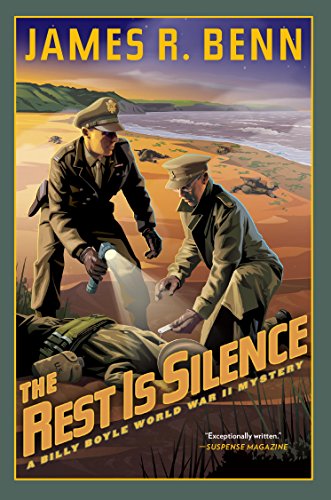
9. The Rest Is Silence
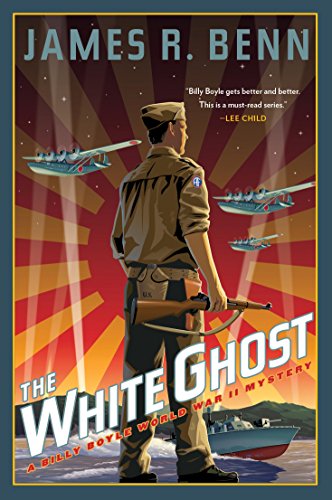
10. The White Ghost
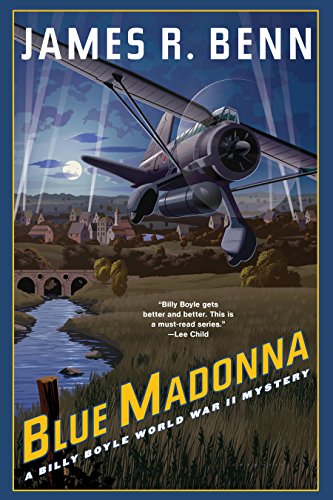
11. Blue Madonna
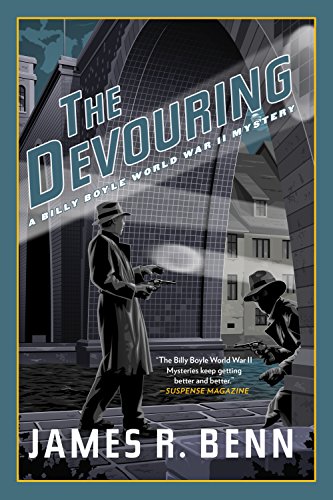
12. The Devouring
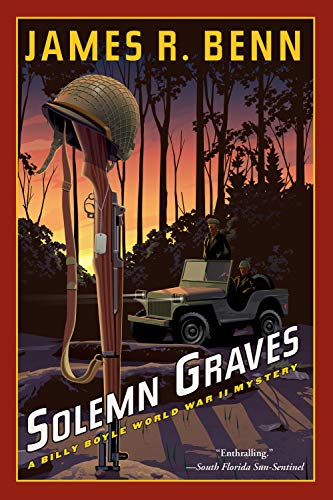
13. Solemn Graves
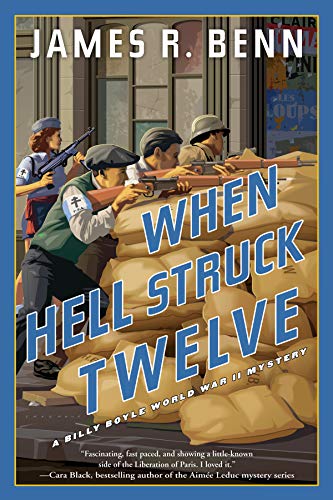
14. When Hell Struck Twelve
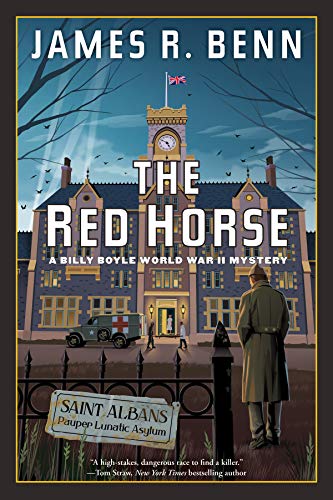
15. The Red Horse
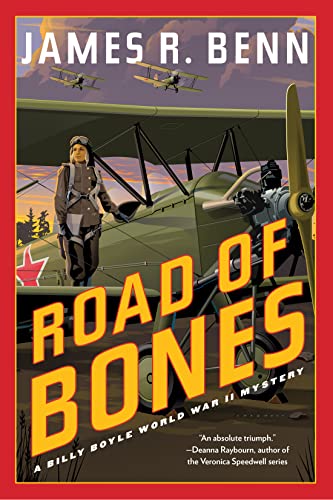
16. Road of Bones
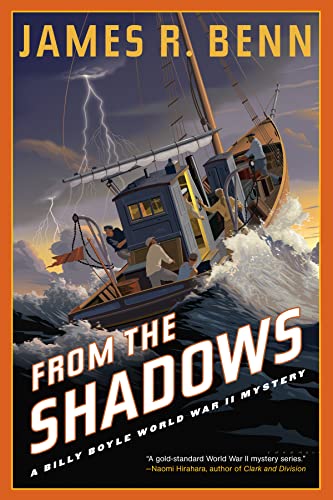
17. From the Shadows
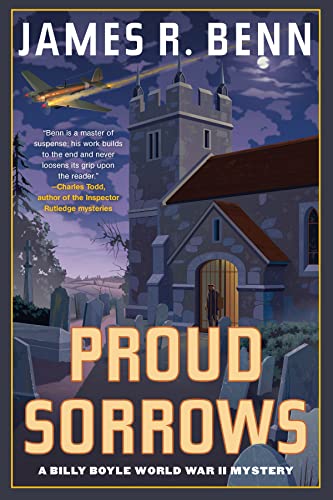
18. Proud Sorrows
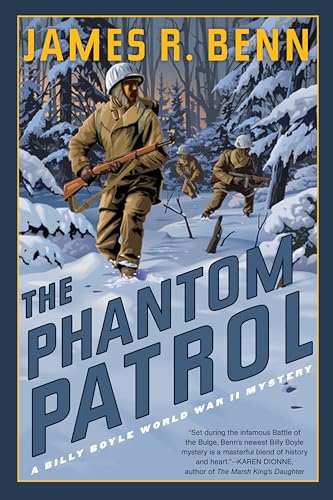
19. The Phantom Patrol
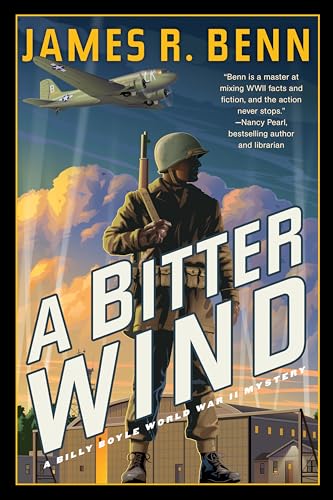
20. A Bitter Wind