Six Tudor Queens in Order
The Six Tudor Queens sequence retells the lives of Henry VIII’s wives through six full-length novels. Twelve companion stories shift attention to relatives, servants, artists and courtiers affected by the same events, while Six Tudor Queens: Writing a New Story explains the project’s historical method. In the Shadow…
All books in this series
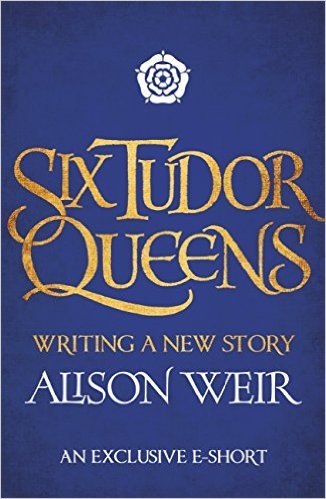
0.1. Six Tudor Queens: Writing a New Story
0.5. Arthur
1. Katherine of Aragon
1.5. The Blackened Heart
2. Anne Boleyn
2.5. The Tower Is Full of Ghosts Today
2.6. The Chateau of Briis
3. Jane Seymour
3.5. The Grandmother’s Tale
3.6. The Unhappiest Lady in Christendom
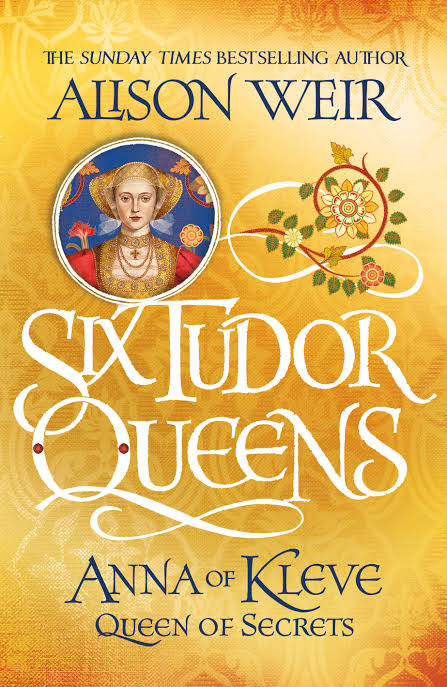
4. Anna of Kleve
4.5. The King’s Painter
4.6. The Curse of the Hungerfords
5. Katheryn Howard
5.5. The Princess of Scotland
5.6. The Wicked Wife
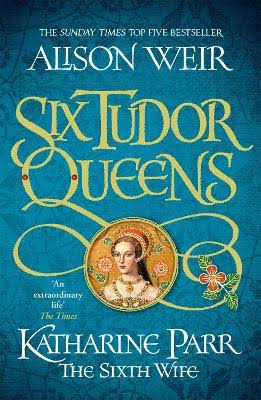
6. Katharine Parr
6.5. The Queen’s Child
6.6. In This New Sepulchre
7. In the Shadow of Queens