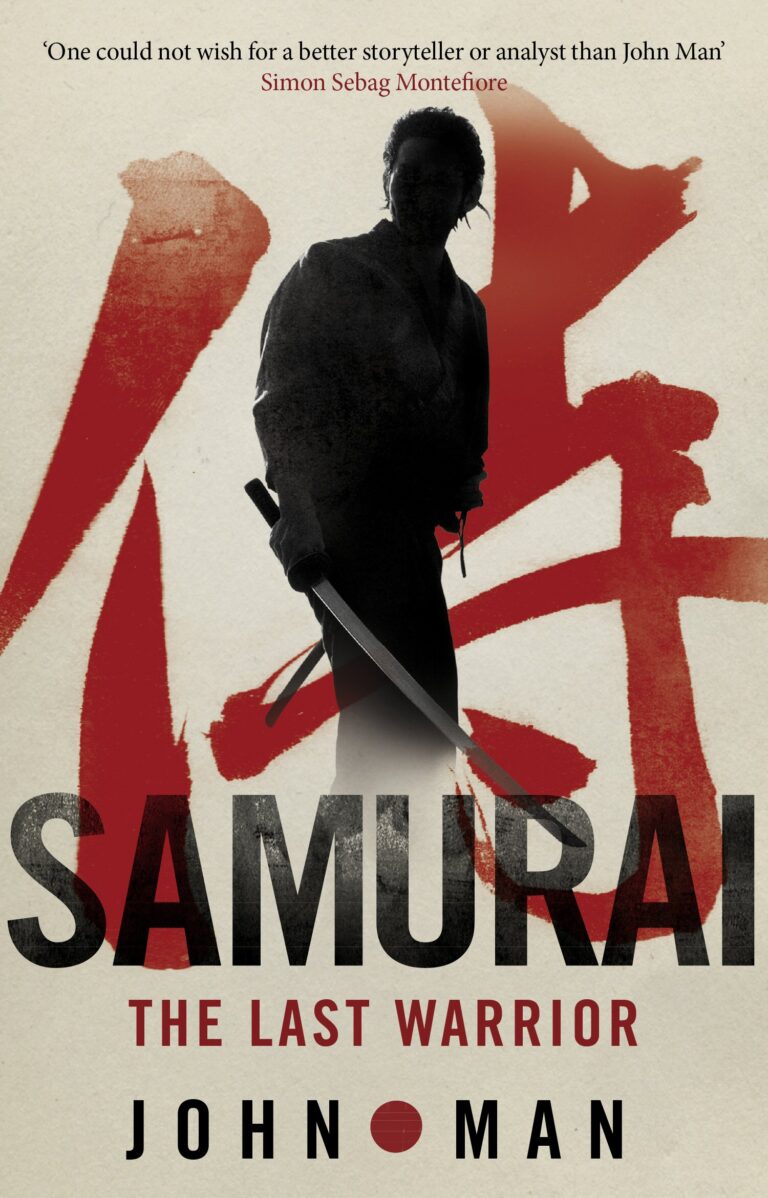
Feudal Japan and Samurai Era covers the period from the rise of warrior government to the end of Tokugawa rule. It includes shoguns, emperors, daimyo, samurai, monks, merchants, peasants, castles, civil war and controlled foreign contact. The period is not static: it moves from medieval conflict into early modern order.
It matters because Japanese political power was often divided between court, warrior government and regional lords. Social codes, violence, loyalty, ritual and status create strong narrative tension.
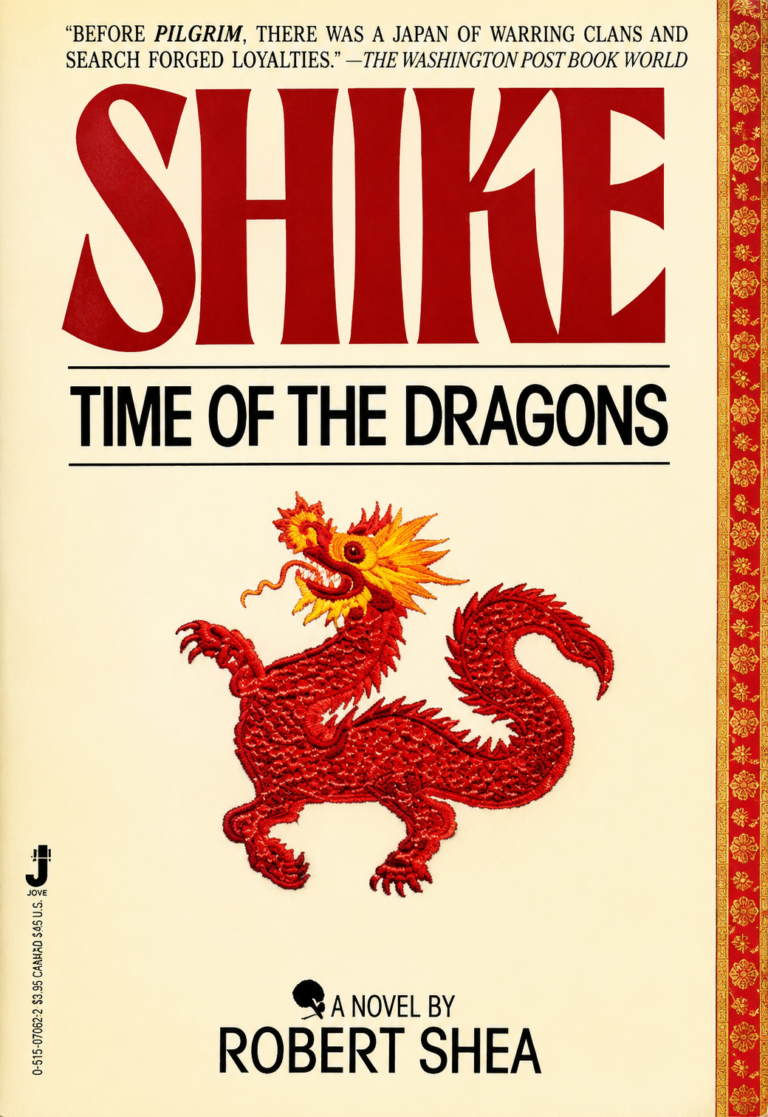
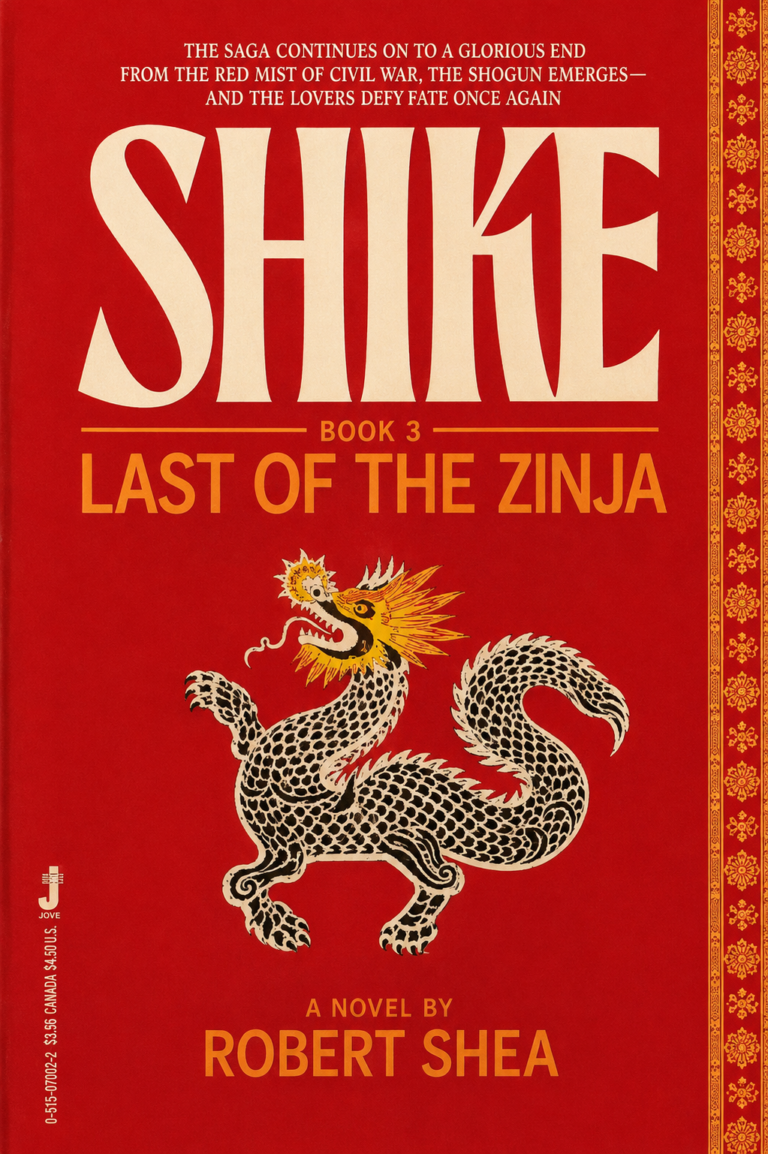
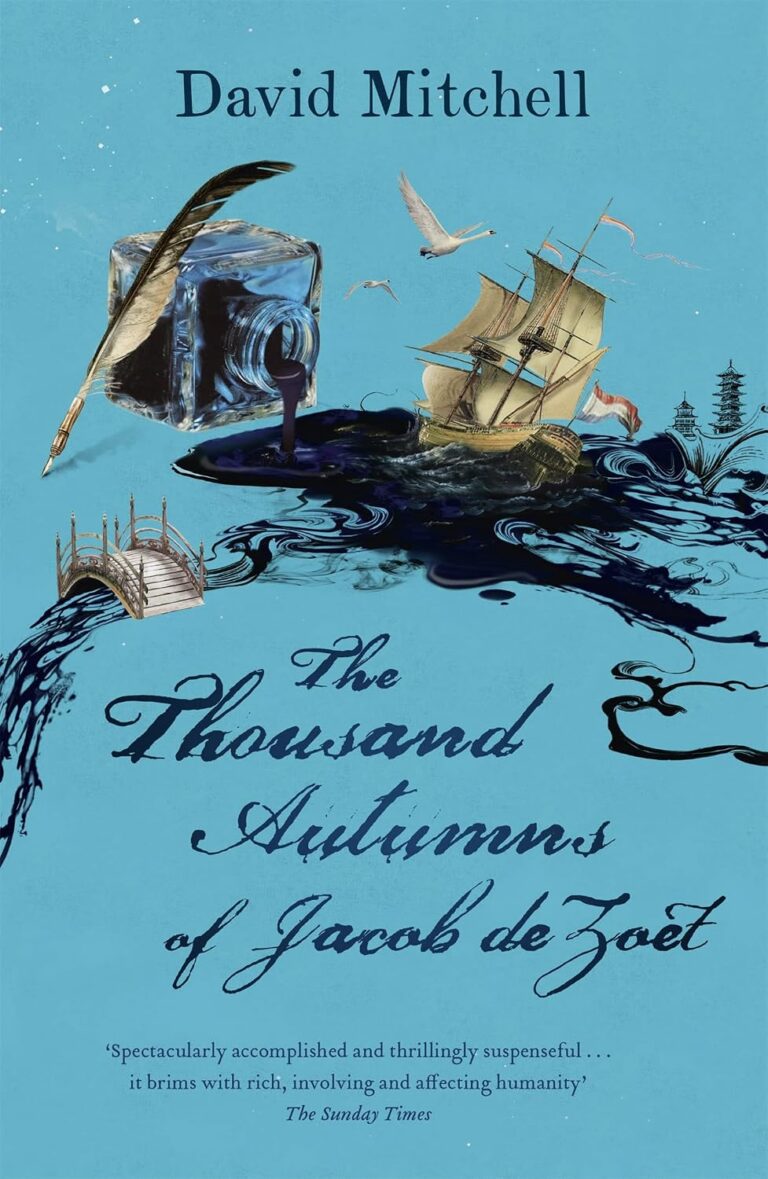
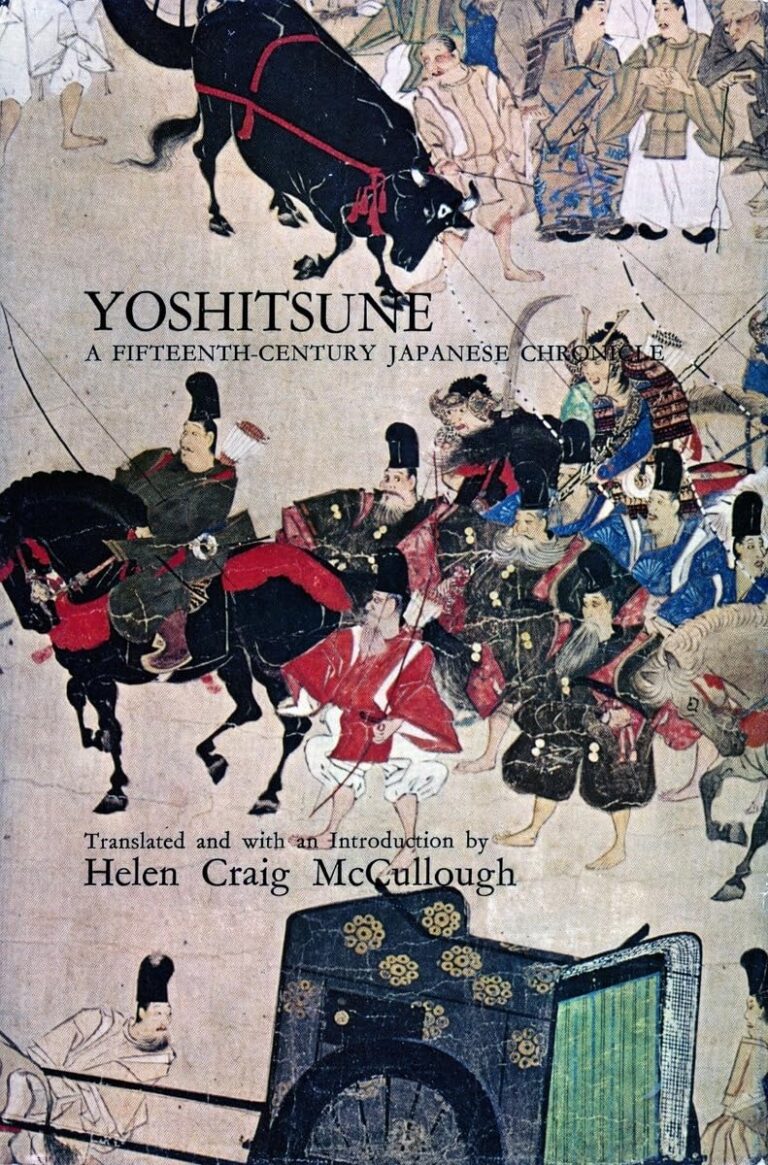
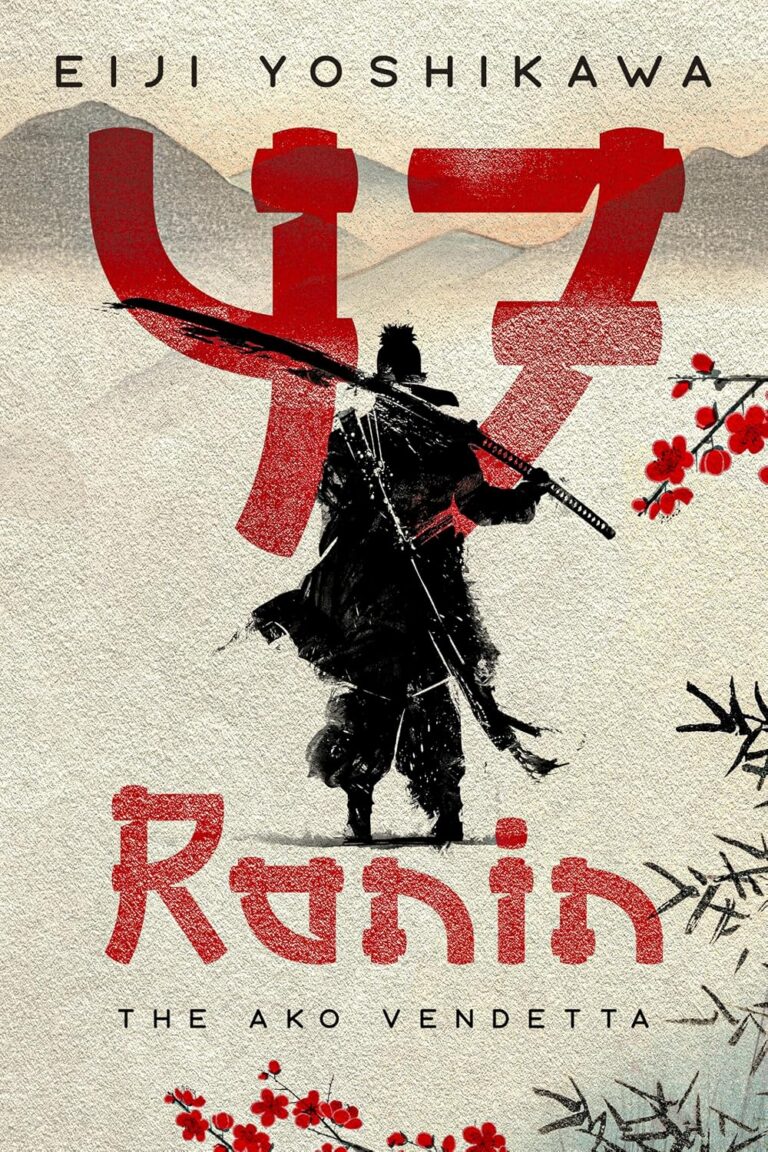
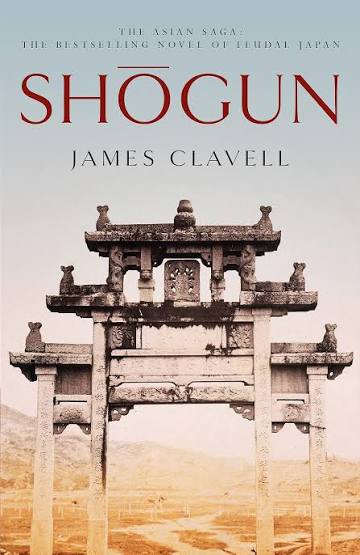
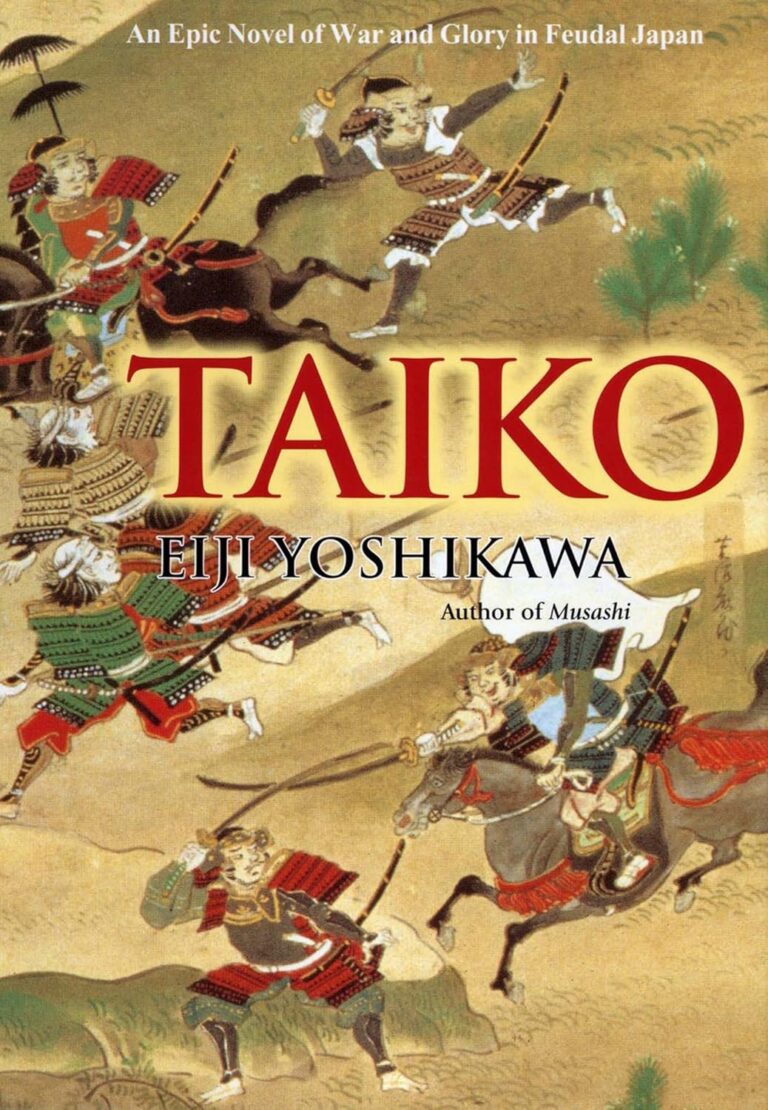
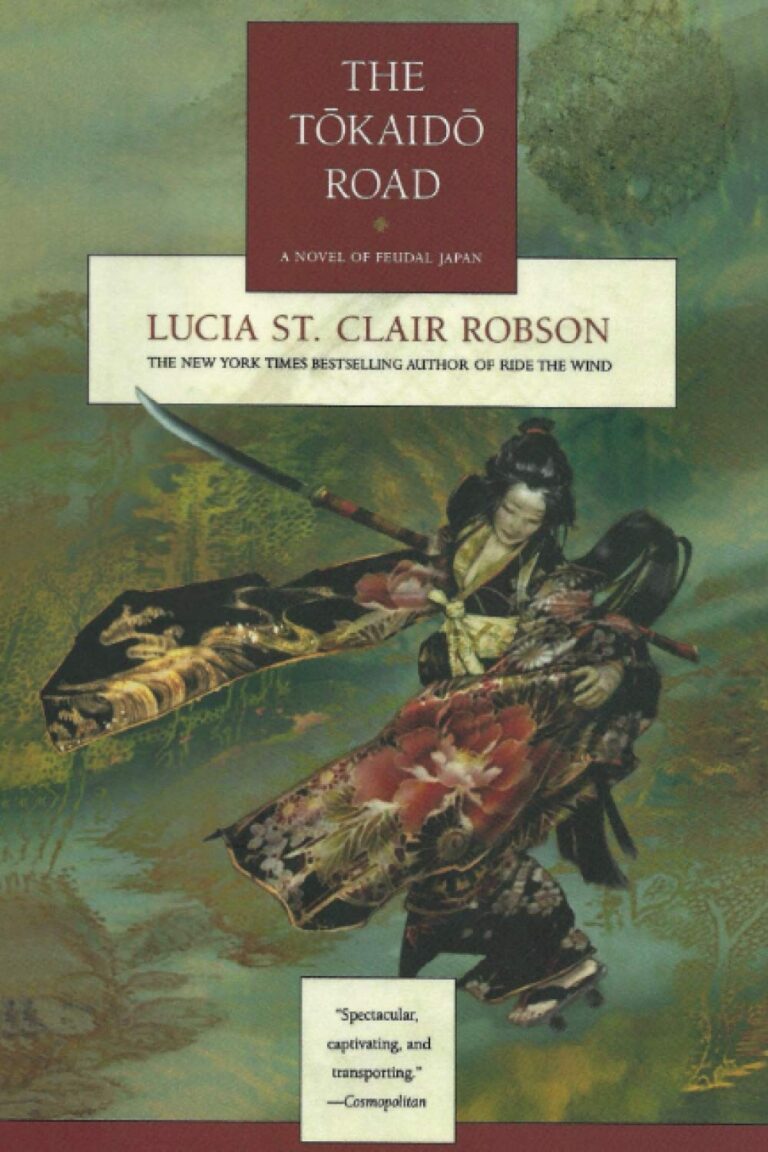
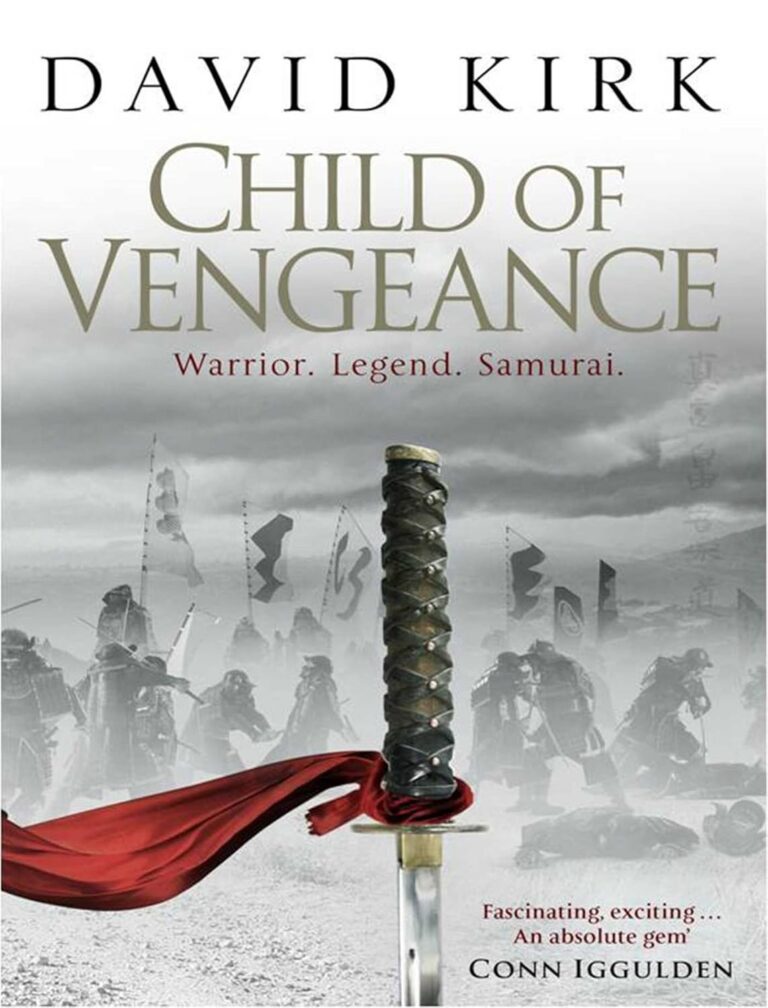
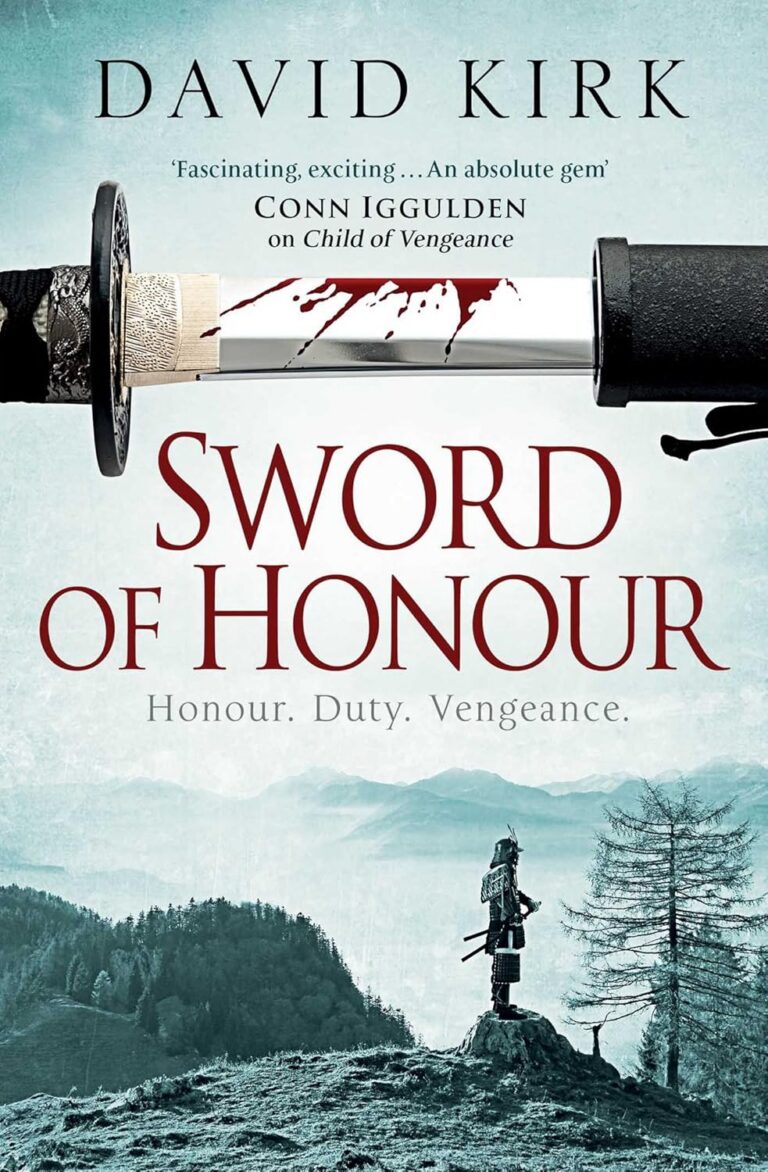
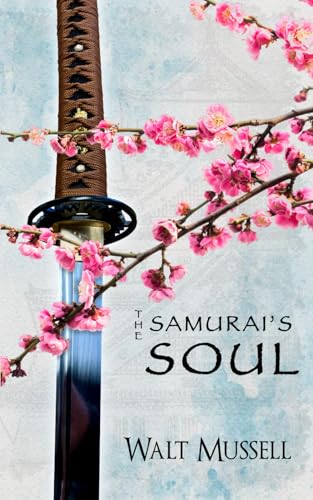
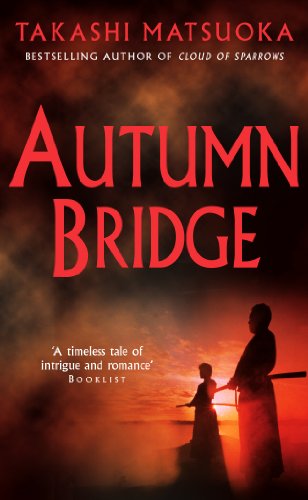
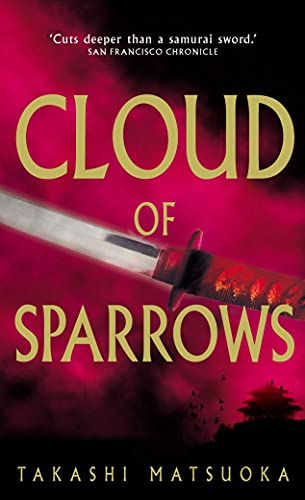
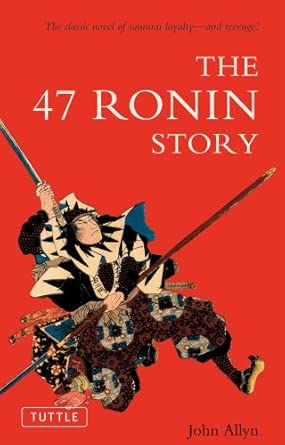
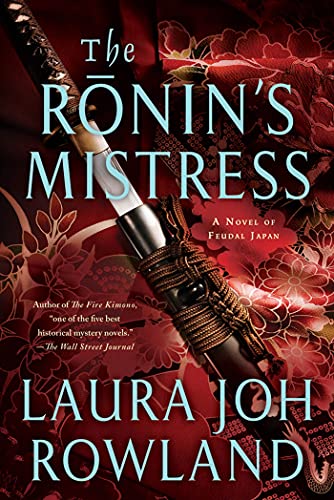
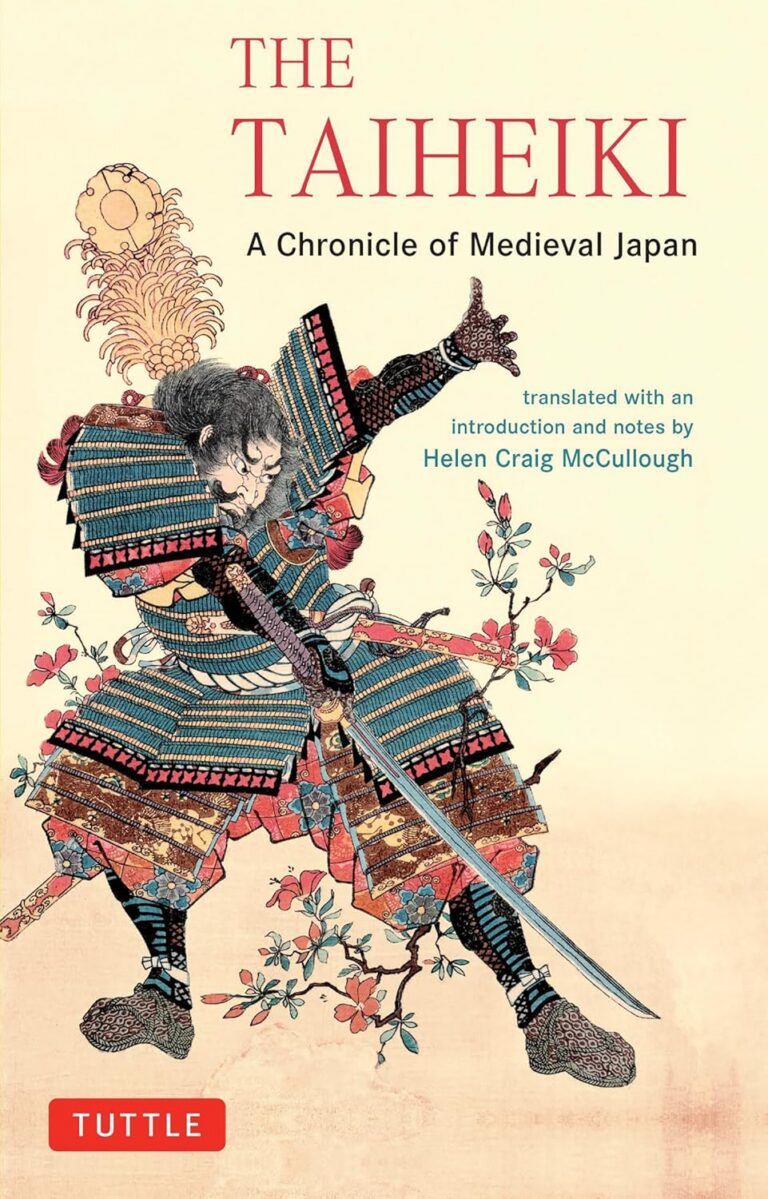
Feudal and early modern Japan is strongly associated with James Clavell's Shōgun, Eiji Yoshikawa's Musashi, Laura Joh Rowland's Sano Ichiro series and novels inspired by samurai, courtiers, monks and merchants. Some series lean literary or adventure-led, while others use mystery structures within Tokugawa society. These pages can connect samurai fiction, court intrigue, warlord politics, swordsmanship, isolation, trade and the transition toward modern Japan.