Eiji Yoshikawa is one of the most important authors for Japanese historical fiction, especially samurai-era narratives.
Eiji Yoshikawa was born in Kanagawa Prefecture in 1892. Financial difficulties in his family forced him to leave formal education early and take a range of jobs, including manual and craft work. He later entered journalism and began publishing stories, eventually becoming one of twentieth-century Japan’s most widely read historical novelists. His own experience of hardship helped inform his interest in ambition, discipline and social mobility.
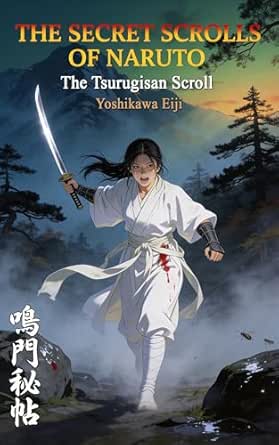
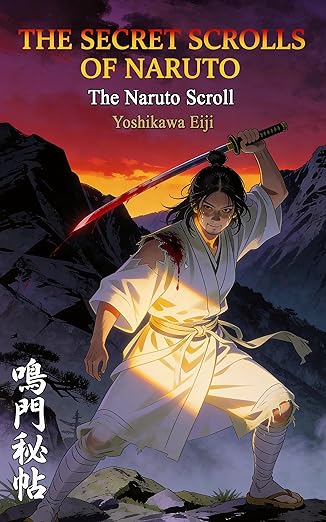
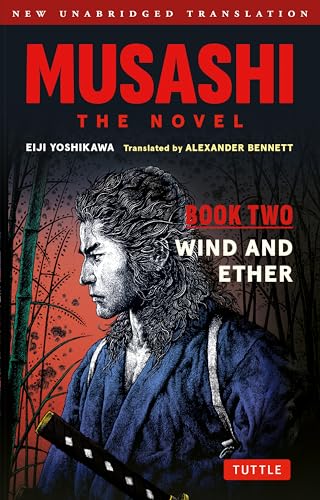
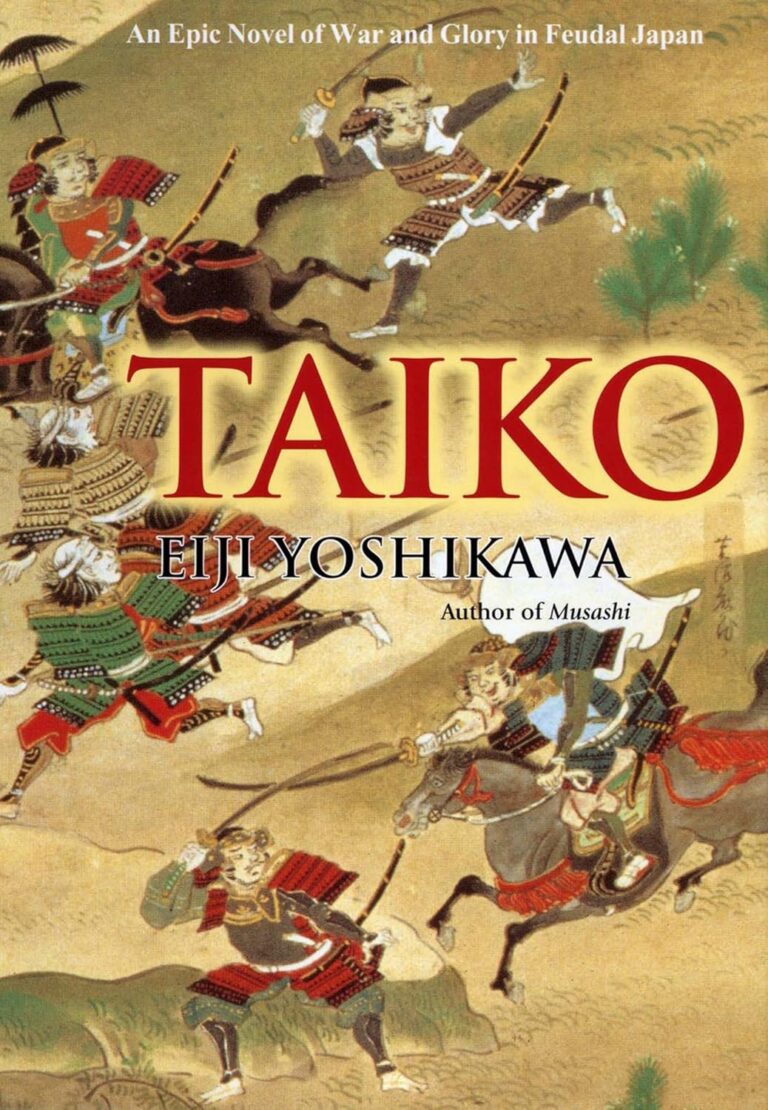
Yoshikawa is best known internationally for Musashi, a long serialised novel based on the life and legends of the swordsman Miyamoto Musashi. He also wrote Taiko, centred on Toyotomi Hideyoshi, and retellings of major Japanese chronicles and warrior traditions. His fiction transformed complex historical material into accessible popular narratives while preserving an emphasis on self-mastery, strategy and the obligations of loyalty. The novels often follow individuals trying to shape themselves during periods of civil war and political consolidation. Yoshikawa received major cultural honours in Japan and died in 1962. His work remains a useful starting point for readers interested in the Sengoku period, samurai culture and the transition toward Tokugawa rule.



 Laura Joh Rowland
25 books
Laura Joh Rowland
25 books