The Sengoku Period began after the breakdown of central authority and turned Japan into a landscape of competing warlords. Daimyo built castles, raised armies, made alliances and fought for regional or national dominance. The period ended through the unification efforts of Oda Nobunaga, Toyotomi Hideyoshi and Tokugawa Ieyasu.
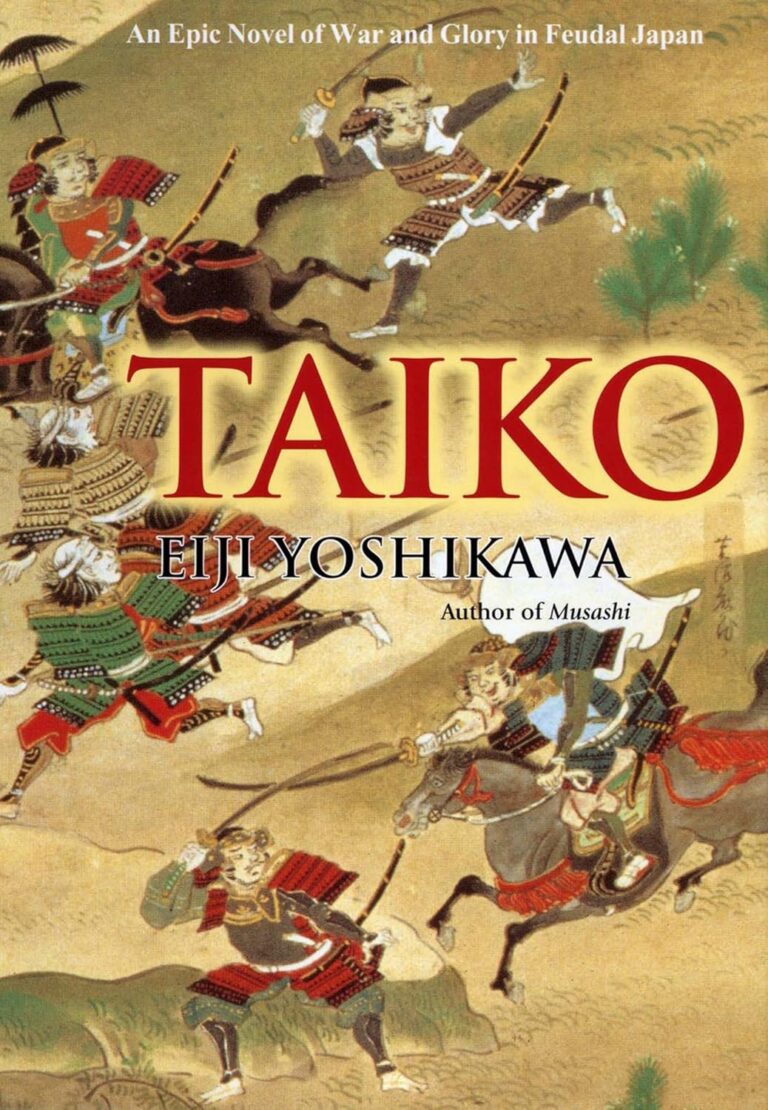
It mattered because it is the classic setting for samurai warfare and political ambition. The period contains betrayal, hostage-taking, siege, battlefield innovation and social mobility amid violence. James Clavell, Eiji Yoshikawa and many samurai novels draw on this world of warlords, swordsmen, monks, spies and women in castle politics.
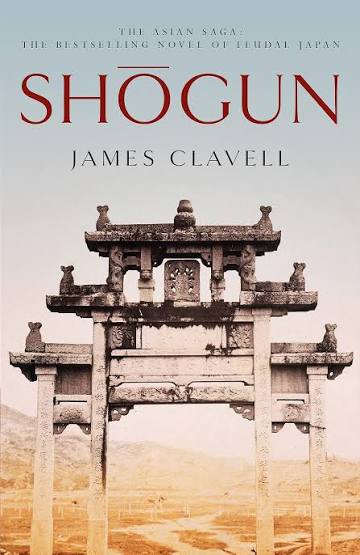
Feudal and early modern Japan is strongly associated with James Clavell's Shōgun, Eiji Yoshikawa's Musashi, Laura Joh Rowland's Sano Ichiro series and novels inspired by samurai, courtiers, monks and merchants. Some series lean literary or adventure-led, while others use mystery structures within Tokugawa society. These pages can connect samurai fiction, court intrigue, warlord politics, swordsmanship, isolation, trade and the transition toward modern Japan.