
Historical person
Sugita Genpaku
1733–1817
Sugita Genpaku was a physician serving the Obama Domain and one of the leading pioneers of Rangaku, or Dutch studies, in eighteenth-century Japan. Working with Maeno Ryōtaku, Nakagawa Jun’an and others, he helped translate a Dutch edition of a European anatomy text into Kaitai Shinsho , published in 1774. He later taught students at his private school and recorded the difficulties of the translation movement in Rangaku Kotohajime .
Sugita Genpaku helped establish Rangaku medicine through the 1774 publication of Kaitai Shinsho and later documented the beginnings of Dutch studies in Japan. Sugita Genpaku also worked as Dutch studies scholar and Translator. Sugita Genpaku was born in Yaraichō, Edo and died in Edo.
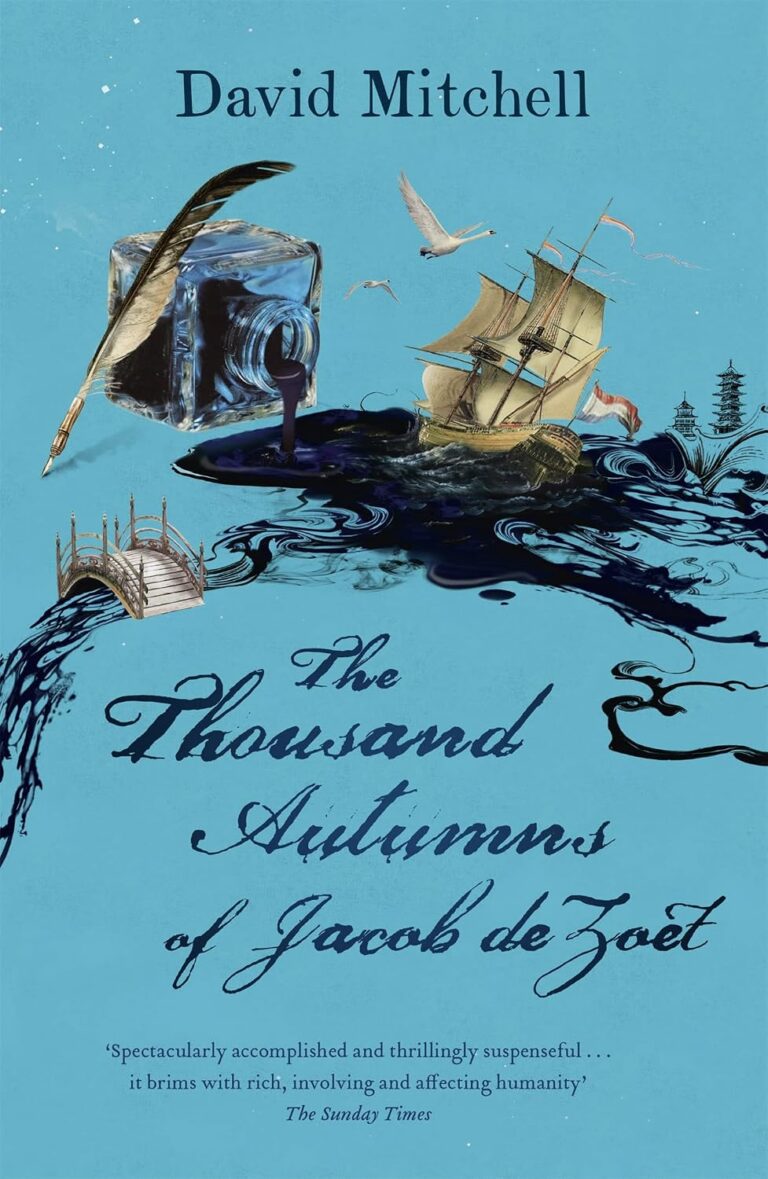
David Mitchell’s The Thousand Autumns of Jacob de Zoet is set a generation after the publication of Sugita Genpaku’s Kaitai Shinsho, but the Rangaku medical culture Genpaku helped create is fundamental to its Japanese world. Orito Aibagawa studies western anatomy and medicine through the tightly controlled Dutch connection at Dejima, exactly the channel through which Genpaku and his colleagues had earlier learned to translate European medical knowledge. Genpaku’s relevance is therefore intellectual as much as personal: the novel’s physicians, interpreters and students inhabit the scientific network that his translation work helped legitimise in Tokugawa Japan.
Standalone books
Standalone books featuring Sugita Genpaku (1 book)