Books
Phase
Dejima and Dutch–Japanese Exchange
1641–1859 CE
Dejima was a small artificial island in Nagasaki harbour where the Tokugawa shogunate confined the Dutch trading factory from 1641. Europeans could trade under strict supervision but faced controls on movement, religion, books and contact with Japanese society. Interpreters, magistrates, merchants, physicians and servants made the island a regulated point of contact rather than a complete breach in Japan’s restrictions on foreign relations.
The factory connected Japan to Batavia and the wider Dutch commercial network. Cargoes, news reports, scientific books, medicines and specialist knowledge passed through Nagasaki, while the annual court journey reinforced the political subordination of the traders to the shogunate. The French occupation of the Netherlands and the dissolution of the Dutch East India Company in 1799 made the settlement increasingly vulnerable to European war and British naval power.
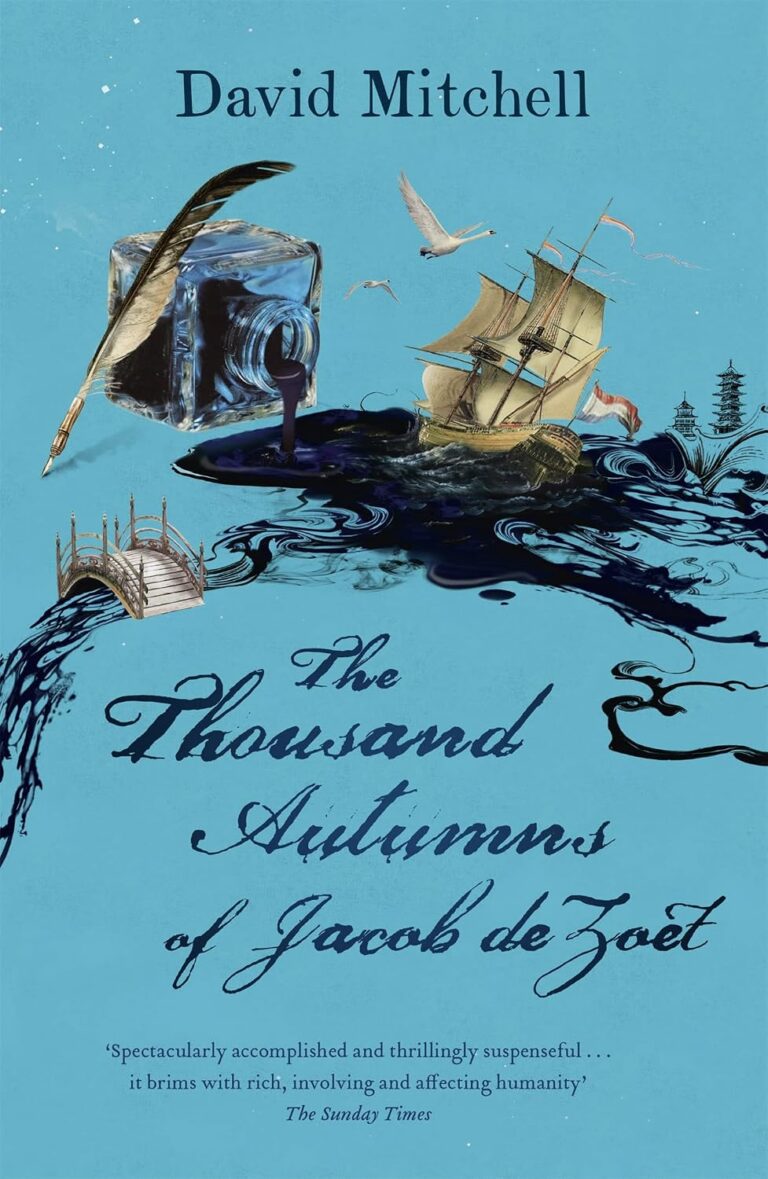
David Mitchell’s The Thousand Autumns of Jacob de Zoet reconstructs Dejima at the end of the eighteenth century. Its clerks, interpreters, doctors and officials allow the novel to examine corruption, translation, cultural curiosity and the unequal legal boundaries governing encounters between Dutch residents and Japanese society.