House of Winslow in Order
The House of Winslow is a forty-volume family saga tracing descendants of an English religious dissenter from the Mayflower era to the Second World War. Across three centuries, the Winslows take part in colonial settlement, revolution, western expansion, industrial growth, overseas missions, modern entertainment and global war. Each…
All books in this series
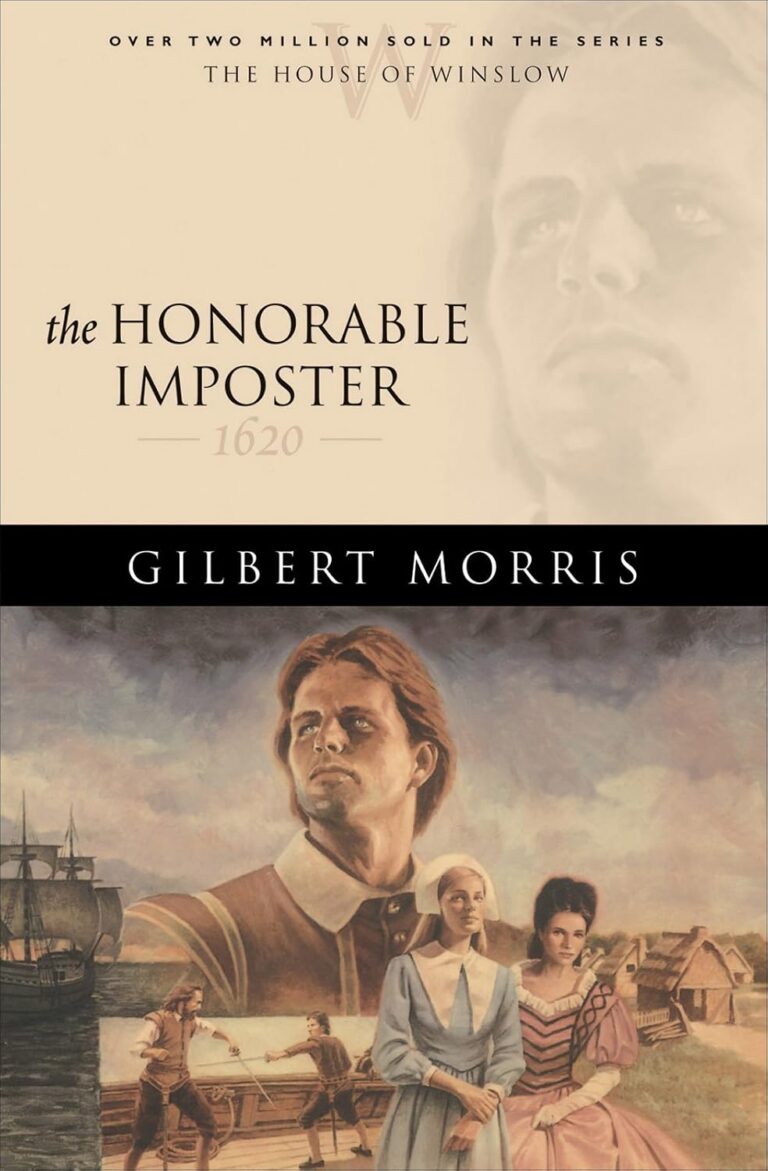
1. The Honorable Imposter
2. The Captive Bride

3. The Indentured Heart

4. The Gentle Rebel

5. The Saintly Buccaneer

6. The Holy Warrior

7. The Reluctant Bridegroom

8. The Last Confederate

9. The Dixie Widow

10. The Wounded Yankee

11. The Union Belle
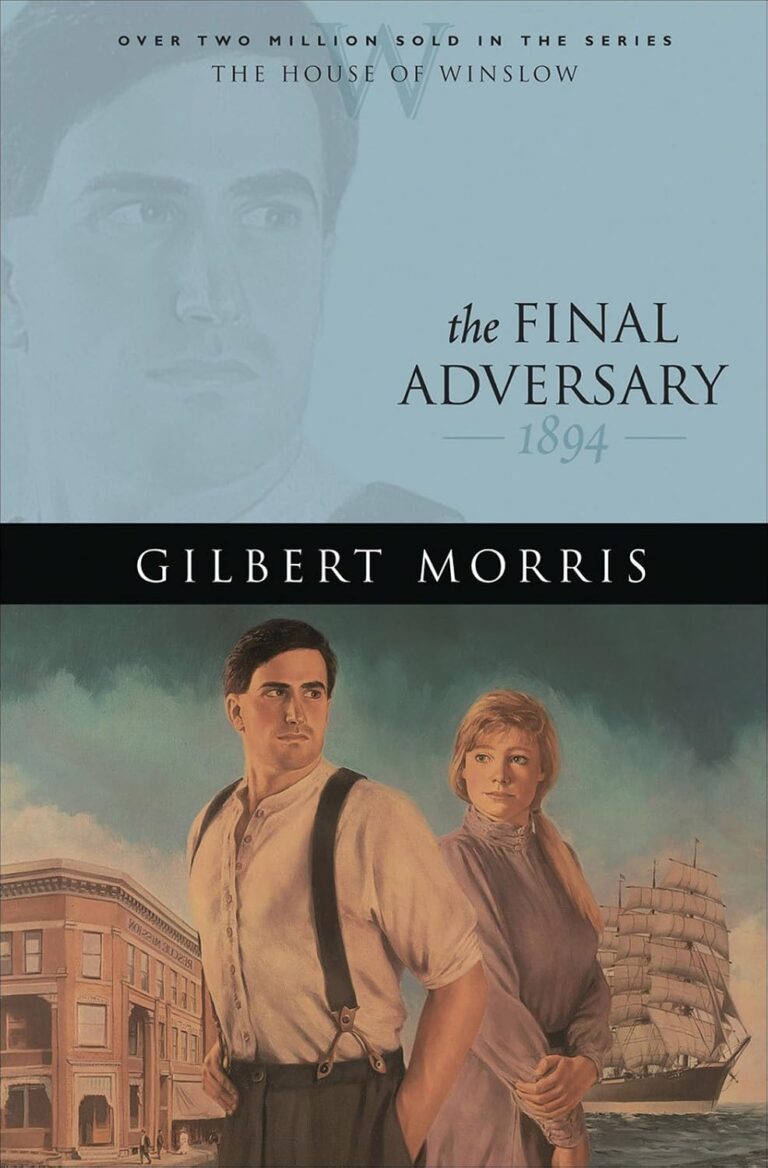
12. The Final Adversary

13. The Crossed Sabres

14. The Valiant Gunman

15. The Gallant Outlaw

16. The Jeweled Spur

17. Yukon Queen

18. Rough Rider
19. Iron Lady
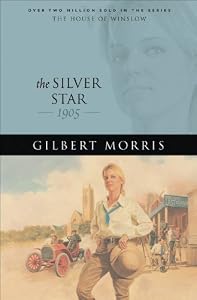
20. Silver Star

21. Shadow Portrait

22. White Hunter

23. Flying Cavalier

24. The Glorious Prodigal

25. The Amazon Quest

26. The Golden Angel

27. The Heavenly Fugitive
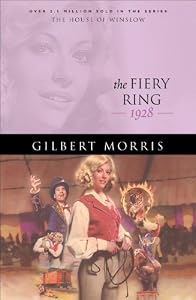
28. The Fiery Ring

29. The Pilgrim Song

30. The Beloved Enemy

31. The Shining Badge
32. The Royal Handmaid

33. The Silent Harp

34. The Virtuous Woman

35. The Gypsy Moon

36. The Unlikely Allies

37. The High Calling

38. The Hesitant Hero

39. The Widow’s Choice