Sitting Bull was a Hunkpapa Lakota leader, holy man and opponent of United States expansion onto Native lands. He helped sustain resistance around the time of the Battle of the Little Bighorn, lived in exile in Canada, later joined Buffalo Bill’s show and was killed during an attempted arrest in 1890.
Sitting Bull’s authority combined political leadership with a major spiritual role among the Hunkpapa Lakota. A vision associated with the 1876 Sun Dance became famous shortly before the defeat of Custer’s force at the Little Bighorn. He later led followers into Canada, surrendered to United States authorities in 1881 and briefly toured with Buffalo Bill before being killed during an attempted arrest at Standing Rock in 1890.
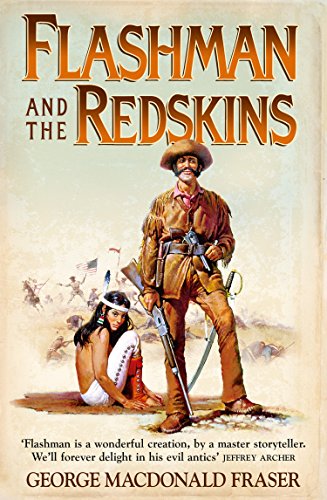
Sitting Bull follows the Hunkpapa leader from resistance to treaties and reservation pressure through Canadian exile, surrender, Buffalo Bill’s Wild West and his death during an attempted arrest in 1890. Nathaniel Philbrick’s The Last Stand concentrates on the Little Bighorn campaign, placing Sitting Bull’s spiritual and political authority behind the vast Lakota and Cheyenne encampment while Crazy Horse and other war leaders confront Custer’s divided regiment. Wounded Knee Massacre begins from the later crisis in which Sitting Bull’s killing helped intensify federal fear of the Ghost Dance shortly before the massacre. George MacDonald Fraser’s Flashman and the Redskins inserts Flashman into the 1876 Lakota victory and the frontier mythology surrounding Sitting Bull’s resistance. American Indian Wars places his career within the much wider history of treaty violation, reservation policy and Indigenous resistance to United States expansion.