
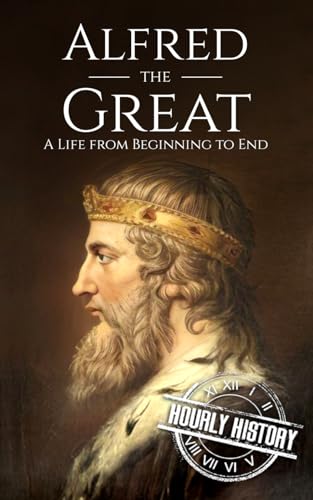
1. Alfred the Great
Alfred the Great recounts the life of the ninth-century king of Wessex who resisted Viking conquest and laid foundations for a more unified English kingdom. It follows his early defeats, recovery at Athelney and victory over Guthrum, together with the settlements that divided territory and stabilised…
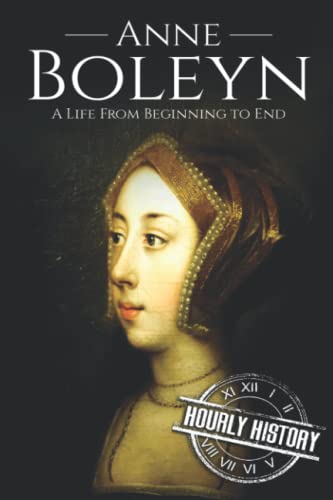
2. Anne Boleyn
Anne Boleyn examines the court career, queenship and fall of Henry VIII’s second wife. It traces her upbringing in continental courts, her relationship with the king and the prolonged campaign to annul his marriage to Catherine of Aragon, a crisis inseparable from the English Reformation. The…
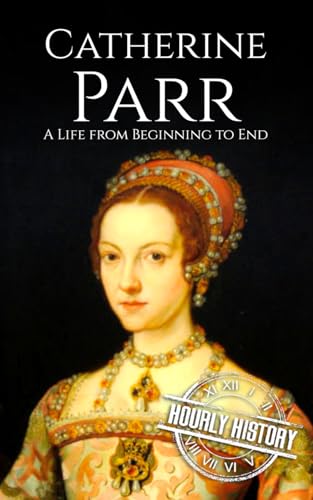
3. Catherine Parr
Catherine Parr follows the sixth wife of Henry VIII from her earlier marriages to her role as queen, regent and stepmother within the Tudor household. It examines her education, religious interests and efforts to maintain relationships among Henry’s three children. The biography gives particular attention to…
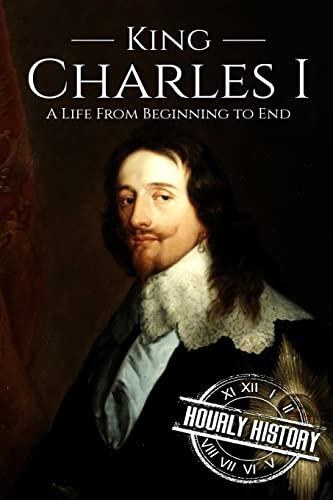
4. Charles I
Charles I traces the reign of the Stuart king whose disputes with Parliament ended in civil war, defeat and execution. It examines his beliefs about monarchy, his financial expedients during the Personal Rule and the religious policies associated with William Laud. The biography follows crises in…
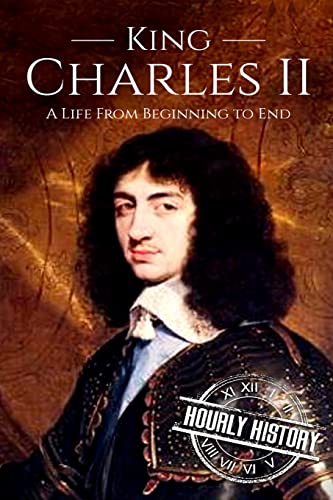
5. Charles II
Charles II follows the Stuart prince from civil-war defeat and exile to the restoration of the monarchy in 1660. It describes the compromises that brought him back to the throne and the challenges of governing after revolution, including religious division, parliamentary distrust and war with the…
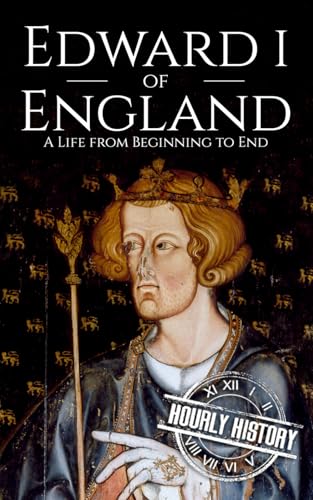
6. Edward I of England
Edward I of England examines the reign of a formidable medieval king whose ambitions transformed relations among England, Wales and Scotland. It follows his crusading experience, legal and administrative reforms and conquest of Wales, including the construction of a powerful network of castles. The biography also…
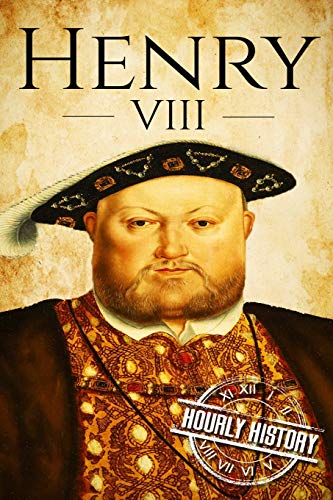
7. Henry VIII
Henry VIII follows the Tudor king from his cultivated early court and military ambitions to the marital and religious crises that defined his reign. It examines the search for a male heir, the annulment from Catherine of Aragon and the break with papal authority. The biography…
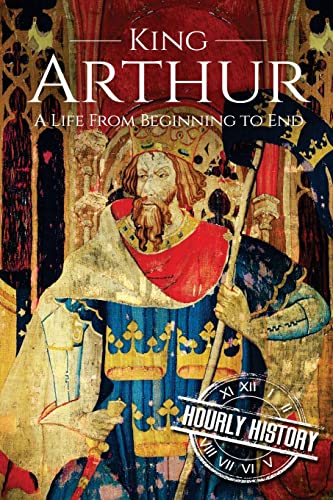
8. King Arthur
King Arthur investigates the figure who stands between early medieval history and centuries of legend. It examines the sparse evidence for a British war leader after the end of Roman rule and the later chronicles that gradually developed Arthur into a king of national significance. The…
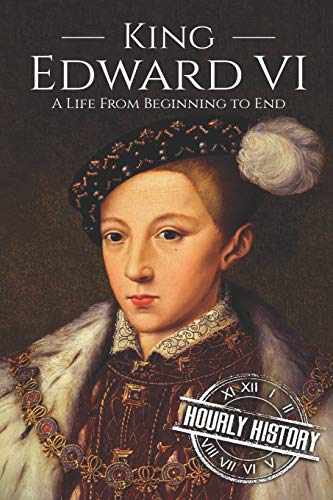
9. King Edward VI
King Edward VI recounts the short reign of Henry VIII’s only legitimate son, who inherited the throne at the age of nine. It explains government by the Duke of Somerset and the Duke of Northumberland, war with Scotland and the social unrest of 1549. The biography…
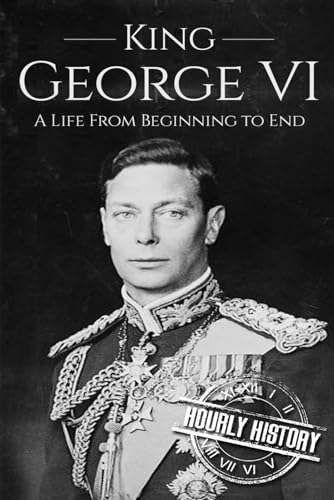
10. King George VI
King George VI follows the reluctant monarch who succeeded after the abdication of his brother Edward VIII in 1936. It examines his efforts to overcome a severe speech impediment, restore confidence in the crown and support constitutional government during a period of international crisis. The biography…
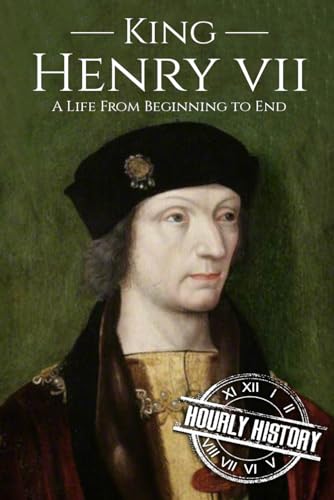
11. King Henry VII
King Henry VII traces the founder of the Tudor dynasty from exile and a precarious claim to the throne to victory over Richard III at Bosworth in 1485. It follows his efforts to secure the succession through marriage, diplomacy and the defeat of rebellions and pretenders.…
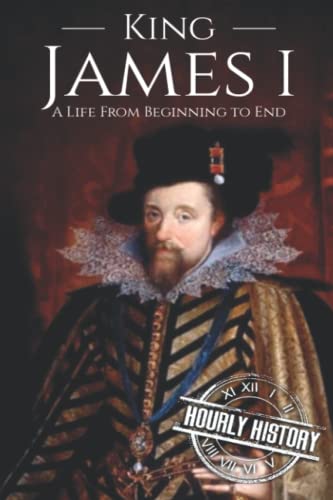
12. King James I
King James I follows James VI of Scotland as he inherited the English throne in 1603 and united the crowns under one monarch. It examines his ideas of kingship, relations with Parliament, religious policy and the court culture associated with favourites and patronage. The biography covers…
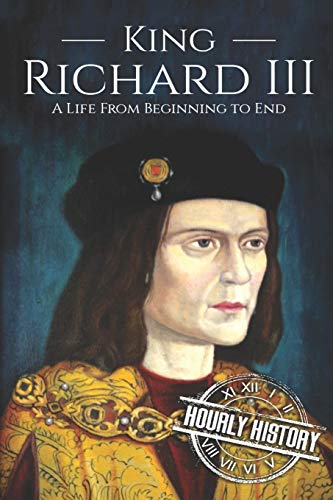
13. King Richard III
King Richard III examines the final Yorkist king and the political crisis that brought him to the throne in 1483. It traces his career under Edward IV, his northern administration and his assumption of royal power after the disappearance of Edward’s sons. The biography reviews the…
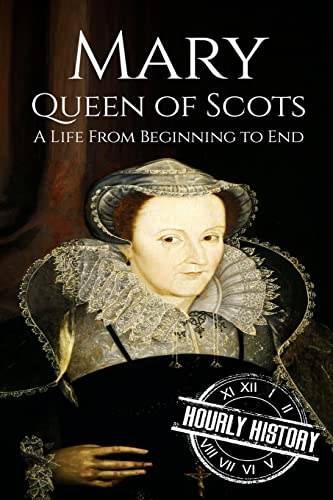
14. Mary Queen of Scots
Mary, Queen of Scots follows a monarch whose life connected the courts and religious conflicts of Scotland, France and England. It traces her childhood in France, brief queenship there and return to a Scotland transformed by Protestant reform. The biography examines her marriages, the murder of…
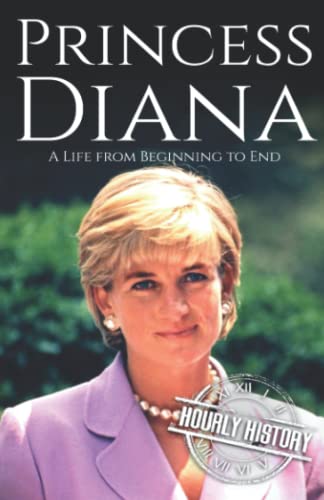
15. Princess Diana
Princess Diana traces the life of Diana Spencer from her marriage to Charles, Prince of Wales, to her emergence as one of the most recognisable public figures of the late twentieth century. It examines the expectations placed on a young royal wife and the intense press…
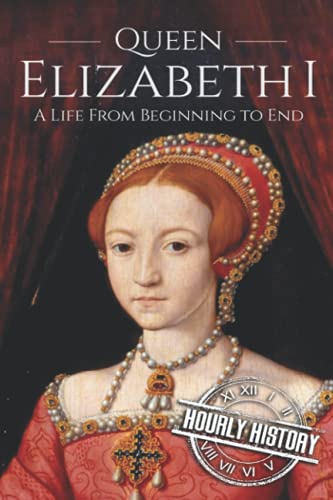
16. Queen Elizabeth I
Queen Elizabeth I follows the last Tudor monarch from a childhood marked by dynastic danger to a reign that stabilised the Protestant settlement and expanded England’s international ambitions. It examines the succession problem, court faction and the careful use of royal image and patronage. The biography…
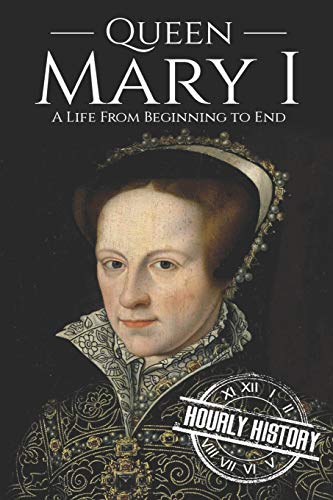
17. Queen Mary I
Queen Mary I examines the first woman to rule England in her own right. It follows her childhood as the daughter of Catherine of Aragon, her exclusion from the succession and her successful challenge to the attempt to place Lady Jane Grey on the throne. The…
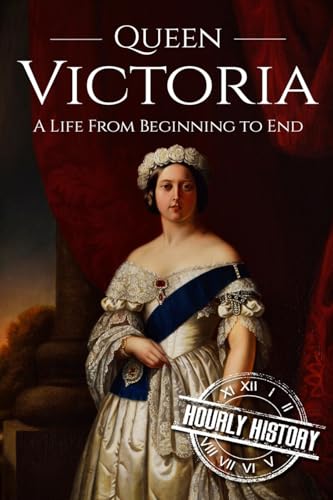
18. Queen Victoria
Queen Victoria follows the monarch whose sixty-three-year reign became synonymous with Britain’s industrial growth, imperial expansion and changing social values. It traces her sheltered childhood, accession at eighteen and political education under Lord Melbourne. The biography examines her marriage to Prince Albert, family life, public withdrawal…
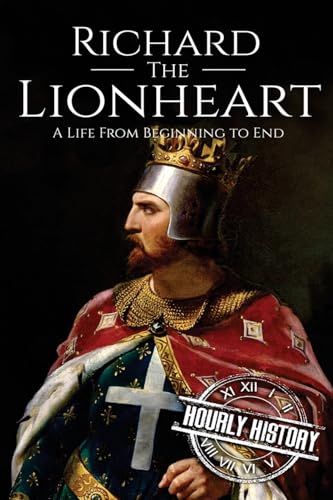
19. Richard the Lionheart
Richard the Lionheart examines the warrior king whose reputation rests largely on crusade and captivity rather than government in England. It follows his rebellion against Henry II, accession in 1189 and leading role in the Third Crusade against Saladin. The biography covers the capture of Acre,…
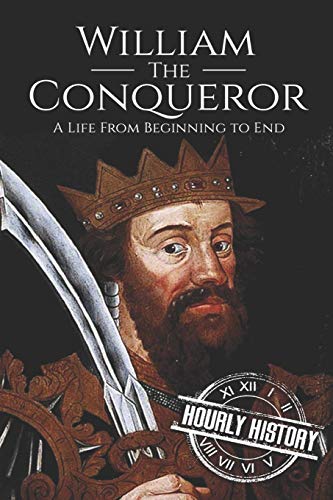
20. William the Conqueror
William the Conqueror follows the illegitimate duke of Normandy who secured his duchy, claimed the English throne and defeated Harold Godwinson at Hastings in 1066. It traces the invasion, coronation and prolonged resistance that followed the initial victory. The biography examines castle building, land redistribution, the…