King Arthur is the legendary ruler at the centre of the medieval British tradition now called the Matter of Britain. Early Welsh material and the ninth-century Historia Brittonum present Arthur as a warrior associated with battles against the Saxons, while Geoffrey of Monmouth's twelfth-century history developed him into a king with a court and an imperial career.
Later romances added Camelot, the Round Table, Excalibur, Merlin, Guinevere, Lancelot and the quest for the Holy Grail. No contemporary evidence confirms a historical King Arthur, and scholars disagree over whether the legend preserves any memory of a fifth- or sixth-century leader.
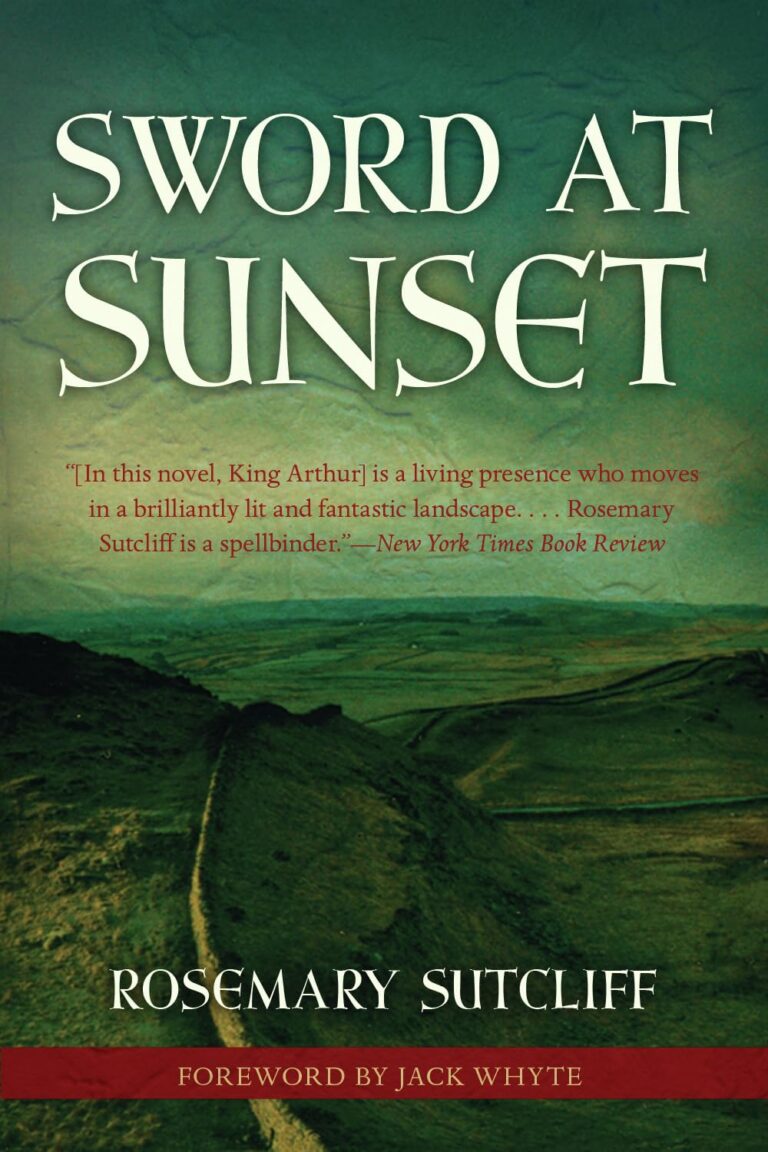
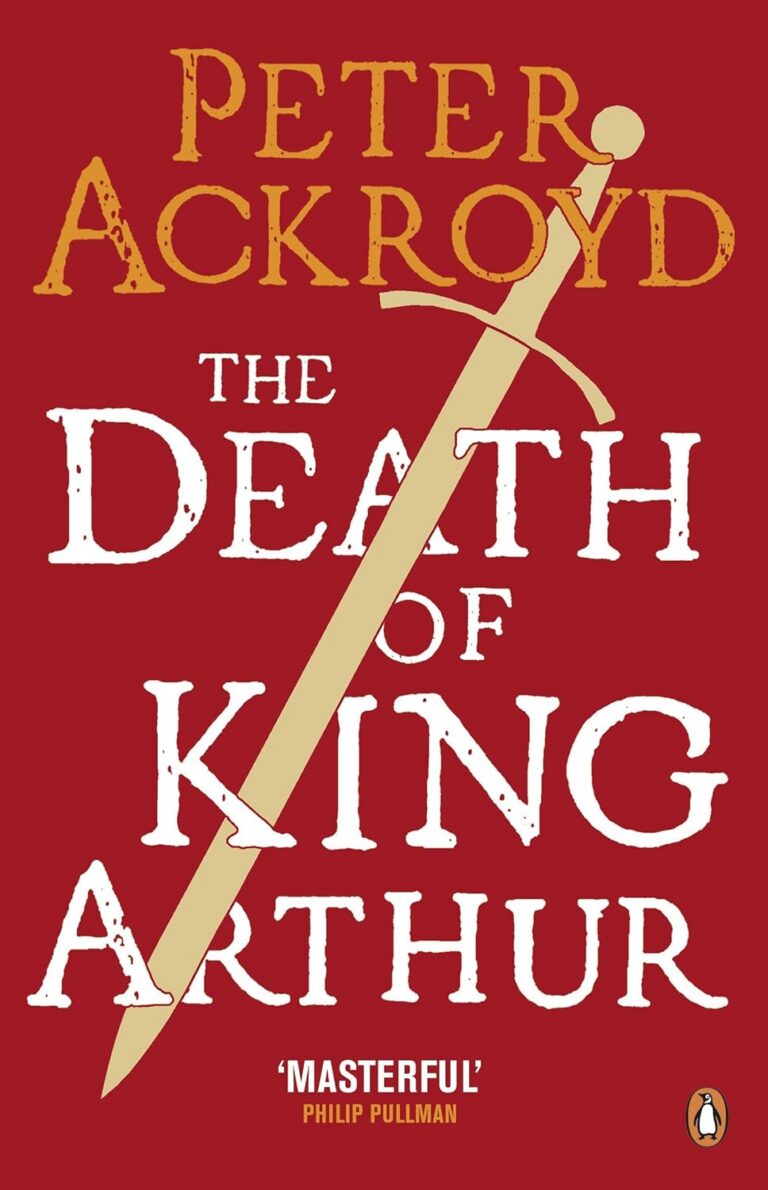
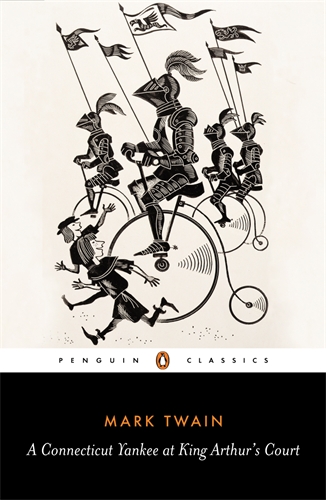
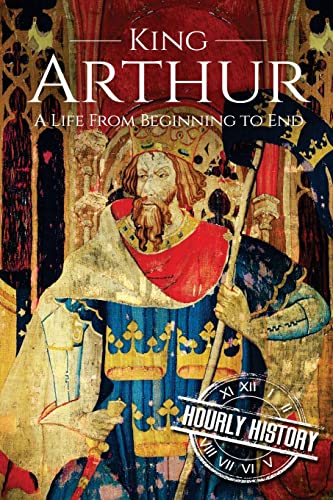
Mark Twain’s A Connecticut Yankee in King Arthur’s Court turns Arthur’s legendary kingdom into the target of Hank Morgan’s technological and republican experiment, using the king’s court to satirise feudal privilege and misplaced faith in progress. John Steinbeck’s The Acts of King Arthur and His Noble Knights retells Malory’s account of Arthur’s hidden birth, accession and creation of the Round Table while preserving the magic and violence of medieval romance. Peter Ackroyd’s The Death of King Arthur carries that tradition through Lancelot and Guinevere, the Grail quest, Mordred’s treason and the collapse of the fellowship. Rosemary Sutcliff’s Sword at Sunset strips away much of the later splendour and imagines Arthur as Artos, a post-Roman cavalry commander holding together a fragile British resistance to Saxon expansion. Hourly History’s King Arthur explicitly separates the sparse evidence for a possible early-medieval war leader from the centuries of literary invention that created Camelot, Lancelot and the Grail.