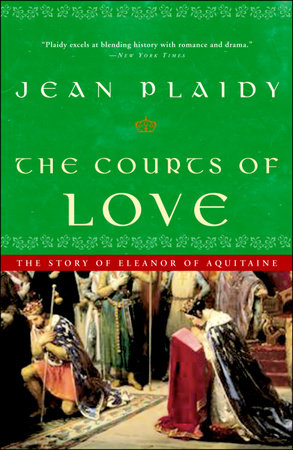
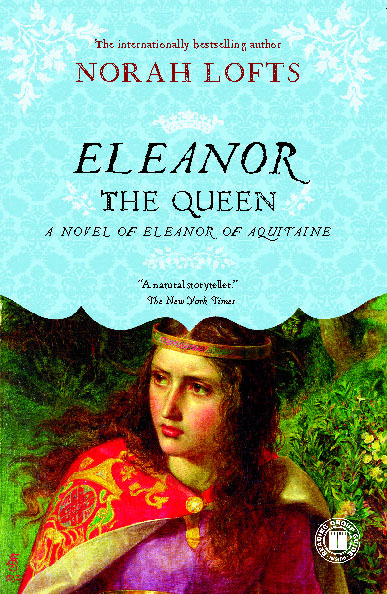
Eleanor of Aquitaine inherited one of the largest territories in France and became successively queen of France and queen of England. Her first marriage to Louis VII ended after the Second Crusade, and she then married Henry II, bringing Aquitaine into the Angevin empire.
Eleanor exercised unusual political authority over a long life that connected the French, English and crusading worlds. During Richard I’s absence she helped defend his interests against Prince John, raised money for the king’s ransom and travelled to arrange dynastic affairs well into old age. Her final years at Fontevraud came only after decades in which she had acted not merely as a consort but as a landholder, regent and broker of succession.
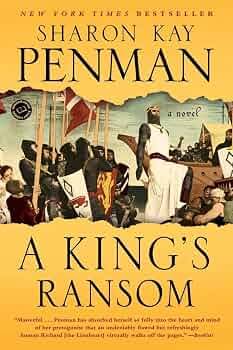
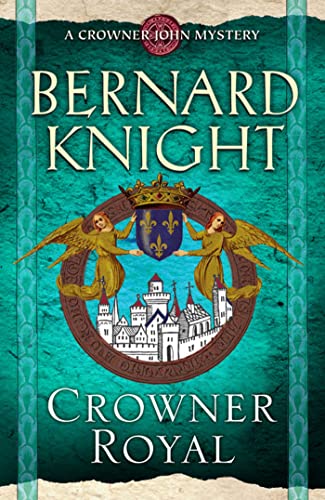
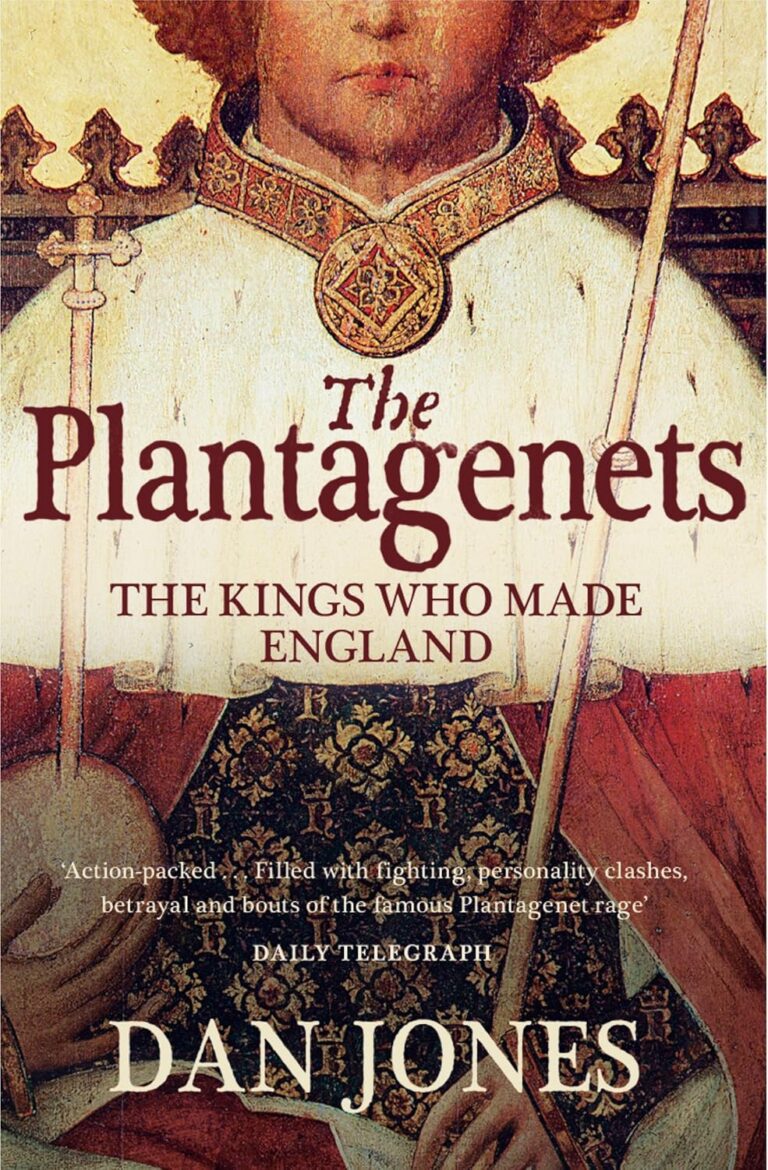
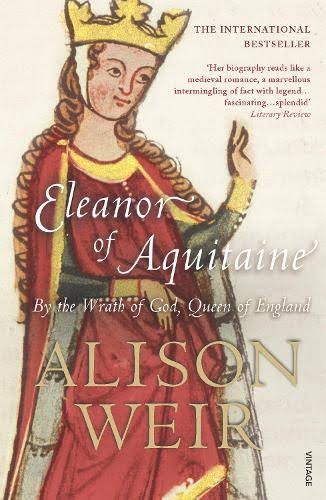
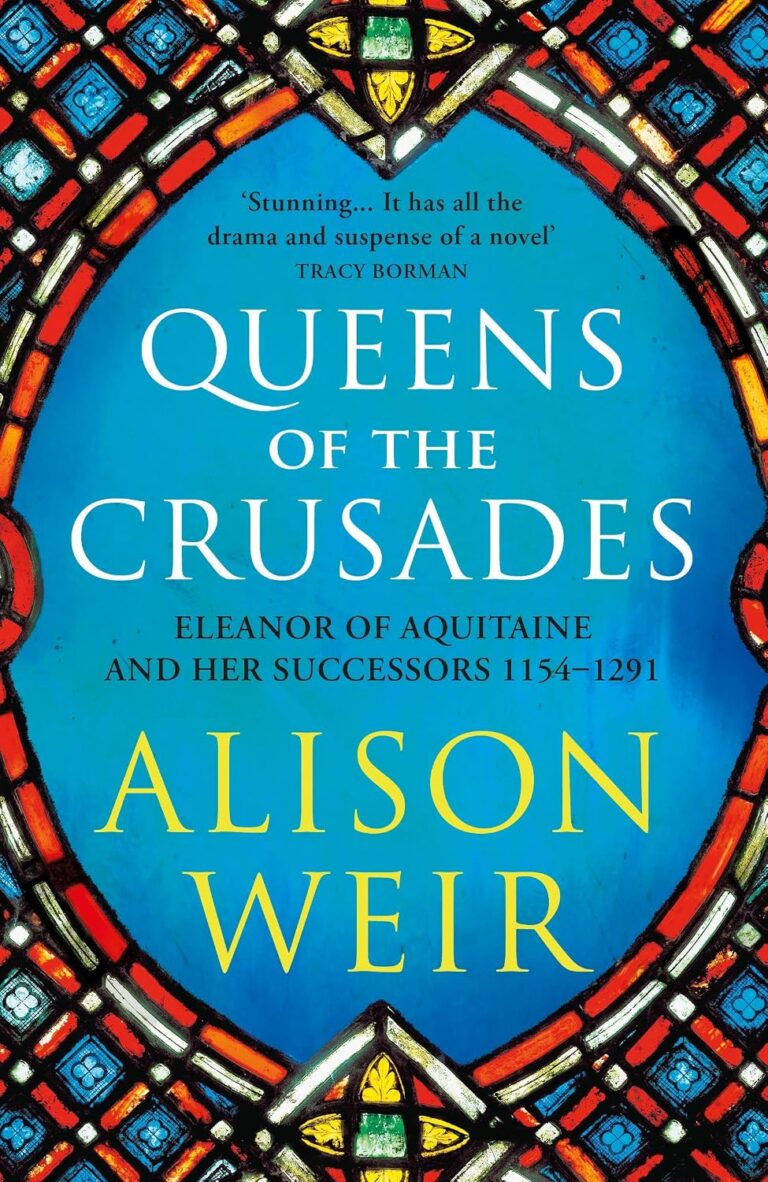
Alison Weir’s Queens of the Crusades follows Eleanor of Aquitaine from her first marriage and participation in the Second Crusade through her marriage to Henry II, rebellion and later political authority as queen mother. Dan Jones’ The Plantagenets makes her one of the founding figures of the Angevin dynasty and follows the consequences of her family’s conflicts across England and France. Sharon Kay Penman’s A King’s Ransom shows the older Eleanor working to preserve Richard I’s kingdom and raise his ransom during his captivity. Bernard Knight’s Crowner Royal places her court and household around a murder investigation during Richard’s reign. In Penman’s Cruel as the Grave, Eleanor’s political world again frames Justin de Quincy’s service to the queen during the dangerous uncertainty over Richard’s absence and John’s ambitions.