Thomas Cromwell was the son of a Putney tradesman who became Henry VIII’s most powerful minister during the 1530s. He directed the machinery of the royal supremacy, supervised the dissolution of the monasteries and helped remake government through statute and administration.
Cromwell rose through the service of Cardinal Wolsey before becoming the chief architect of Henry VIII's administrative and religious policies in the 1530s. He used Parliament and royal injunctions to enforce the break with Rome and oversaw the dissolution of the monasteries, while building an extensive network of clients and officials. His role in arranging Henry's marriage to Anne of Cleves helped his enemies secure his arrest and execution in 1540.
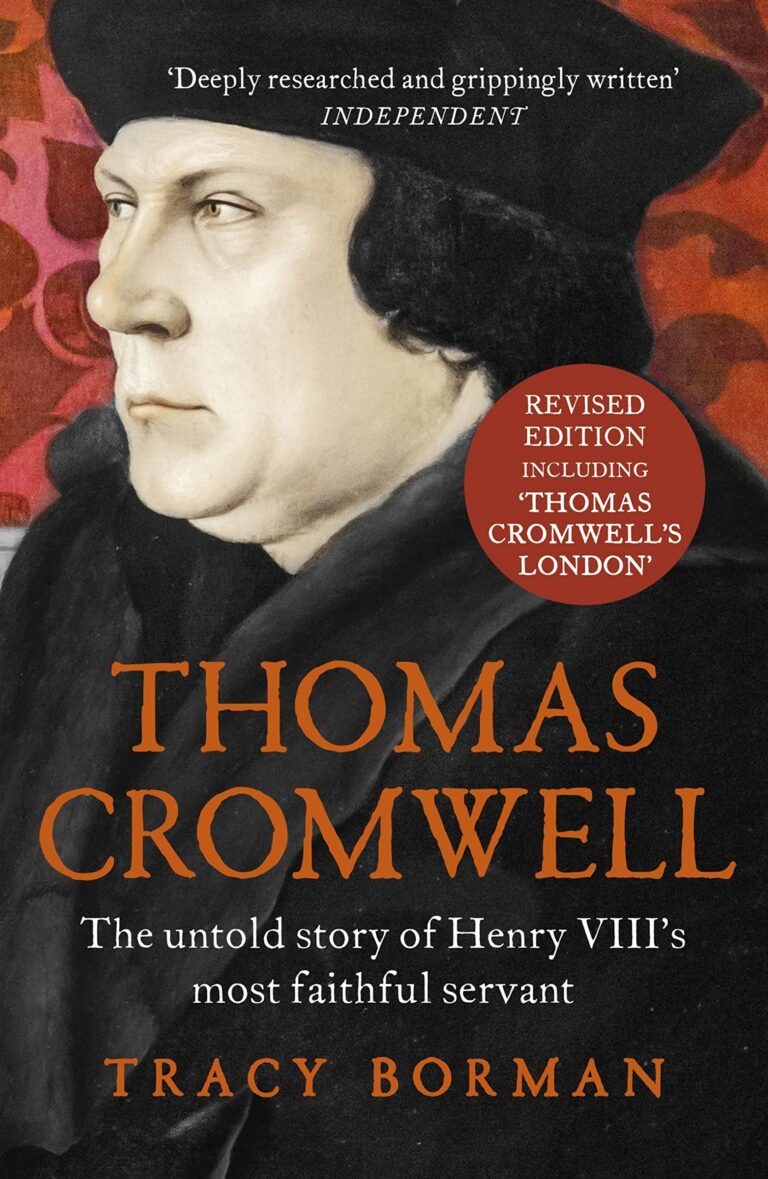
Hilary Mantel’s Wolf Hall follows Cromwell from Wolsey’s service into the centre of Henry VIII’s government, showing how law, patronage and his reading of other people make him indispensable during the king’s break with Rome. Bring up the Bodies places him at the heart of the case against Anne Boleyn, converting rumour and factional hostility into a prosecution that serves Henry’s dynastic needs. The Mirror and the Light then follows Cromwell at the summit of power as noble enemies, religious disputes and the Anne of Cleves marriage leave him exposed to the king’s changing favour. C. J. Sansom’s Dark Fire uses Cromwell as Matthew Shardlake’s dangerous patron during the religious politics of the 1540s. Tracy Borman’s biography Thomas Cromwell traces the documented rise from Putney tradesman’s son to chief minister, including the dissolution of the monasteries, Anne Boleyn’s fall and the failed Cleves marriage that helped bring about his execution.