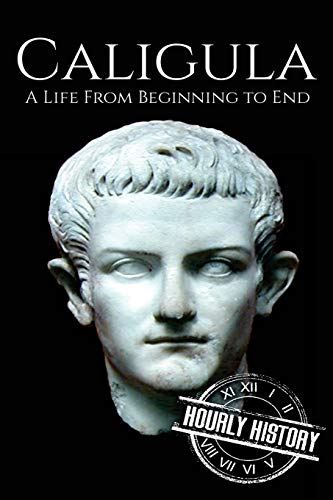
Caligula was the third Roman emperor, ruling from AD 37 to 41. Ancient sources portray a reign that began with popularity but became associated with autocracy, court terror, financial pressure and conflict with the Senate before his assassination by guards.
Caligula was born in Antium and died in Palatine Hill. Caligula also held the offices or ranks of Augustus and Roman consul. Caligula belonged to the Julio-Claudian dynasty; Julii Caesares and operated within Ancient Rome.
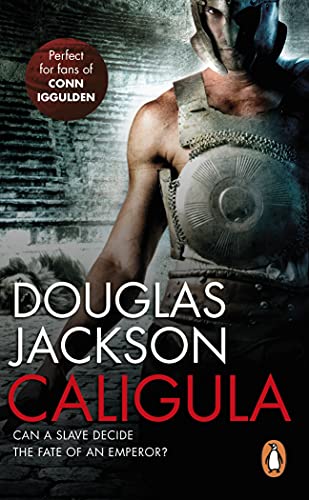
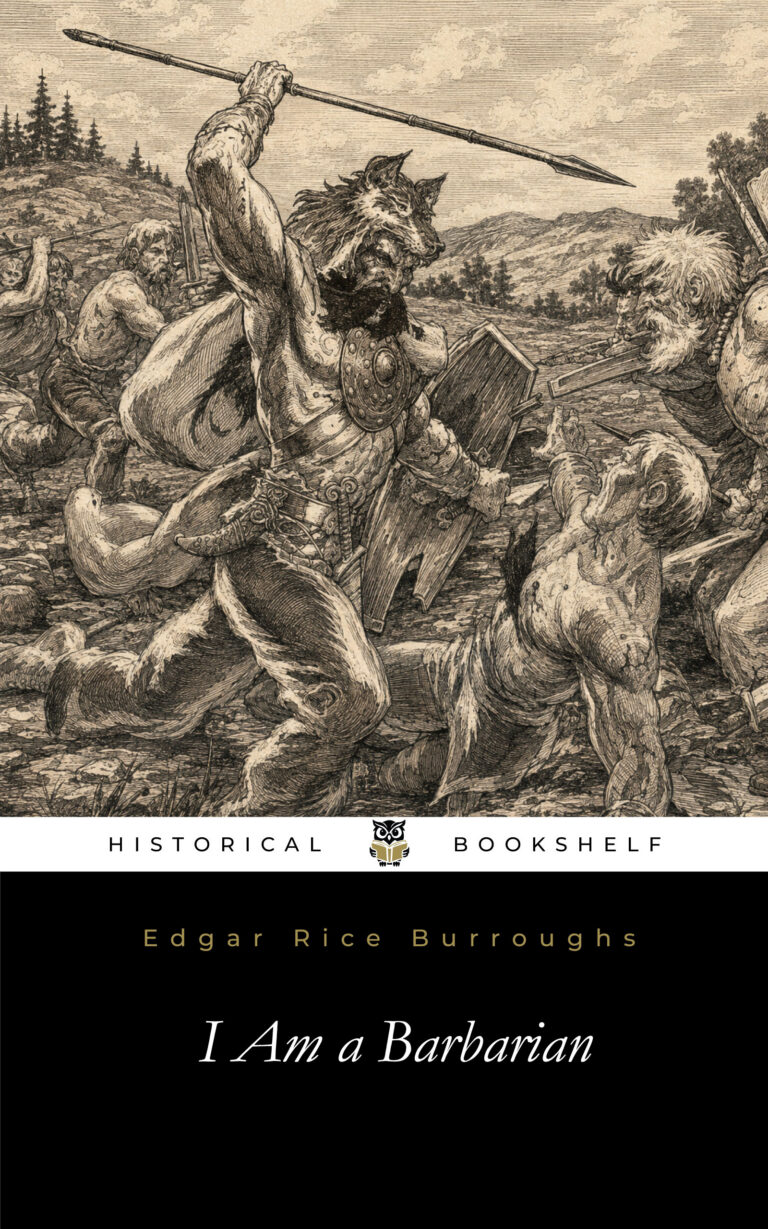
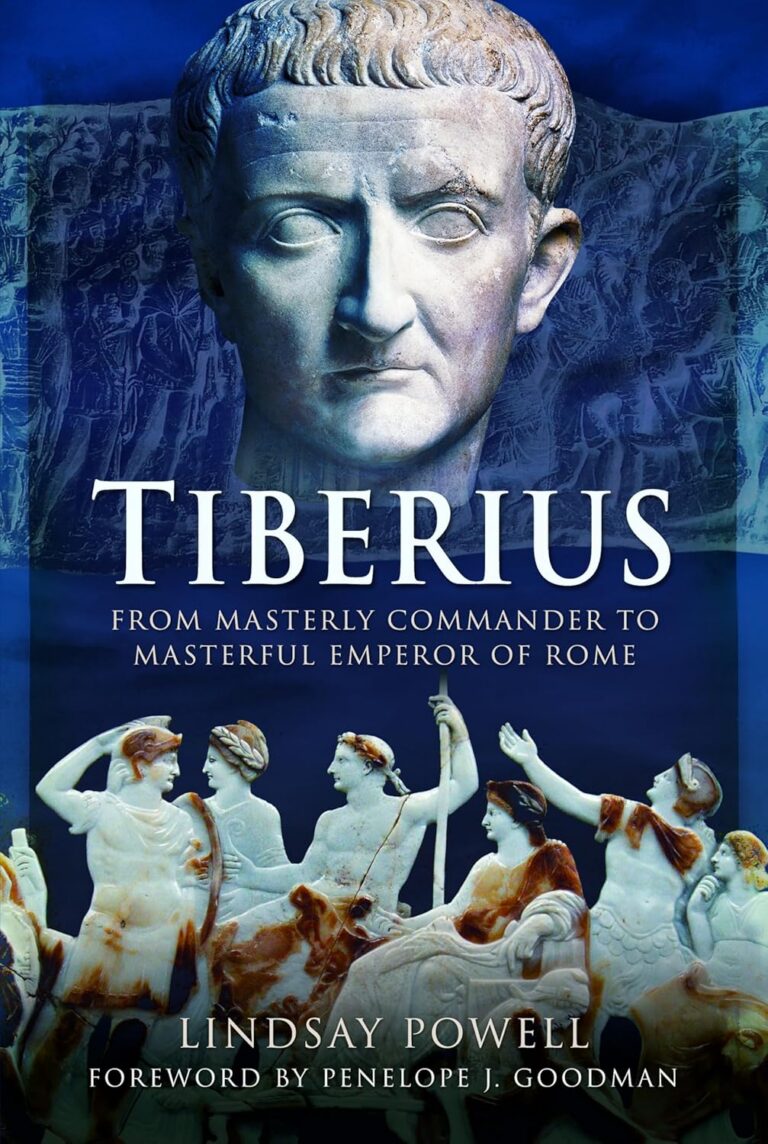
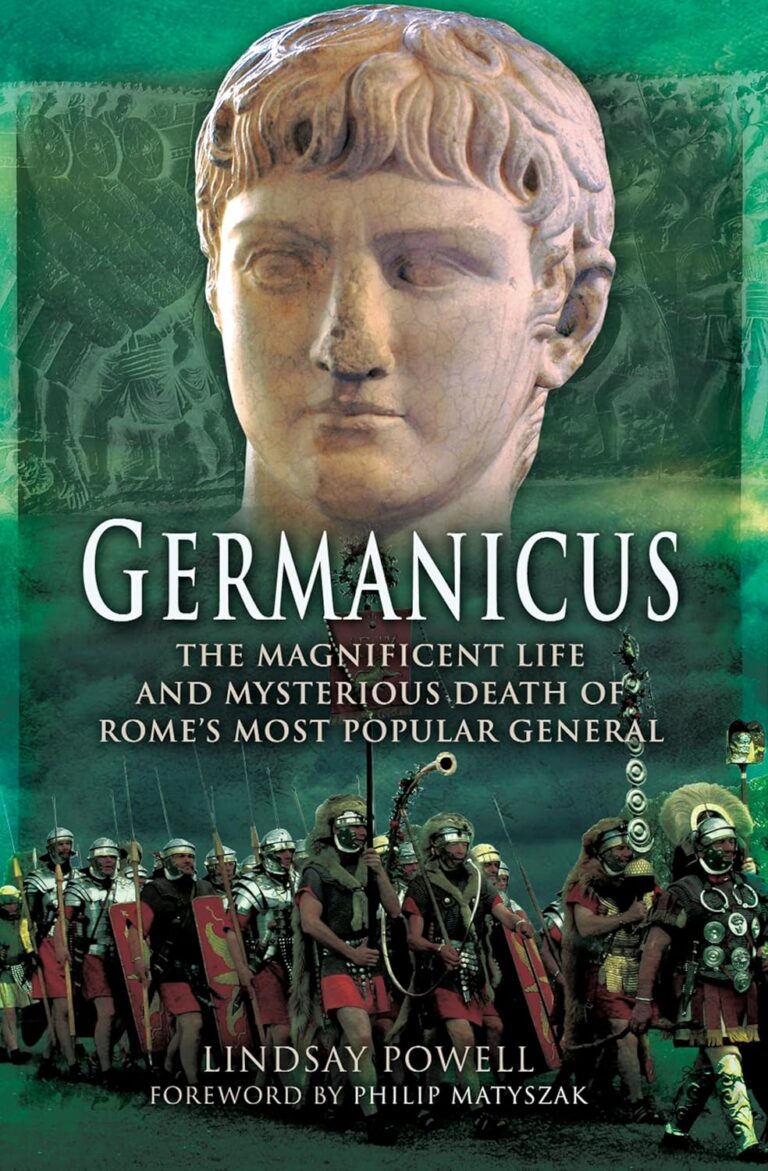
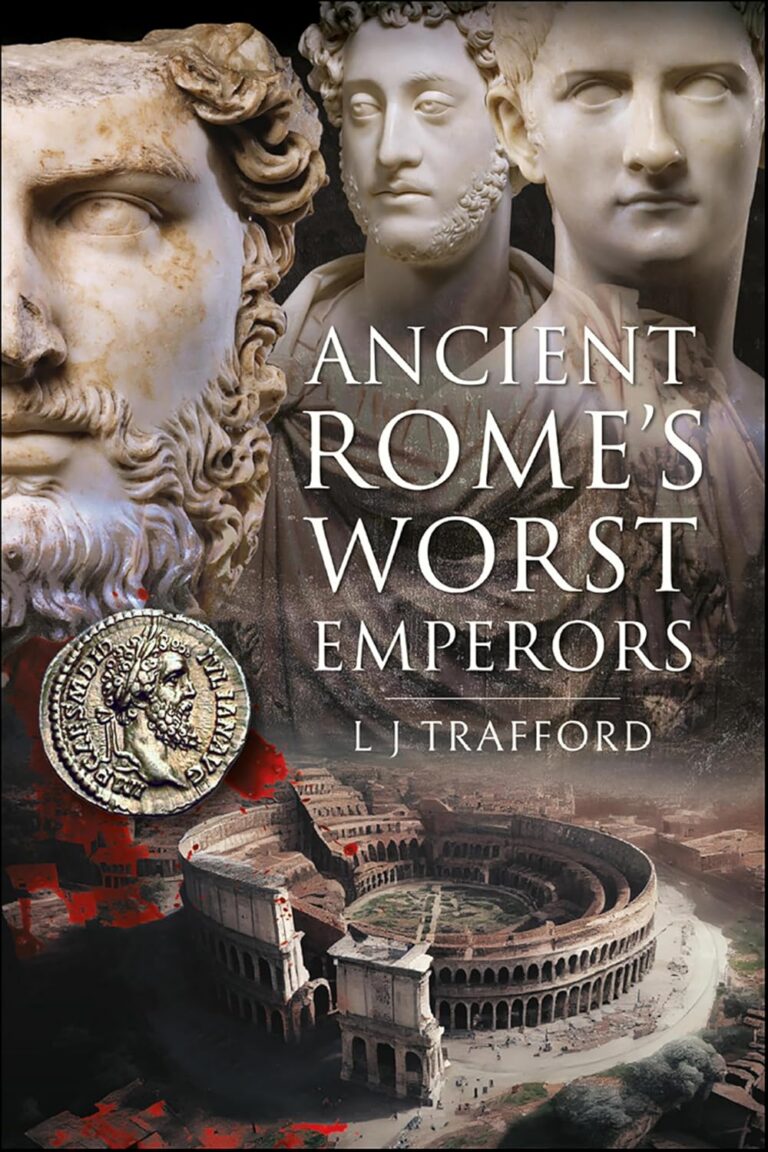
In L. J. Trafford’s Ancient Rome’s Worst Emperors, the selected cases include notorious figures such as Caligula, Commodus and Elagabalus alongside less predictable choices including Galba, Vitellius, Nerva, Gordian I and Valentinian II. Ancient histories, senatorial hostility and posthumous propaganda are tested rather than accepted at face value. In Douglas Jackson’s Caligula, Rufus is a young slave apprenticed to an animal trainer who supplies the gladiatorial arena. His gift for handling dangerous creatures brings him to the attention of Caligula, and he is taken into the imperial household as keeper of the emperor’s elephant, Bersheba. Further fictional perspectives on Caligula can be found in Edgar Rice Burroughs’ I Am a Barbarian. For broader historical treatment of Caligula, see Lindsay Powell’s Germanicus and Lindsay Powell’s Tiberius.