Suleiman the Magnificent ruled the Ottoman Empire from 1520 to 1566. His armies captured Belgrade and Rhodes, destroyed the Hungarian monarchy at Mohács and besieged Vienna, while Ottoman fleets expanded power across the Mediterranean. Suleiman also sponsored legal codification, architecture and literature.
His relationship with Hürrem Sultan and the execution of his son Mustafa shaped a difficult succession. He died during the siege of Szigetvár. His reputation as lawgiver and patron should be considered alongside conquest, enslavement and coercive imperial rule.
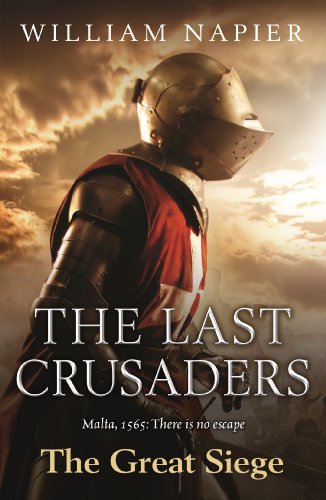
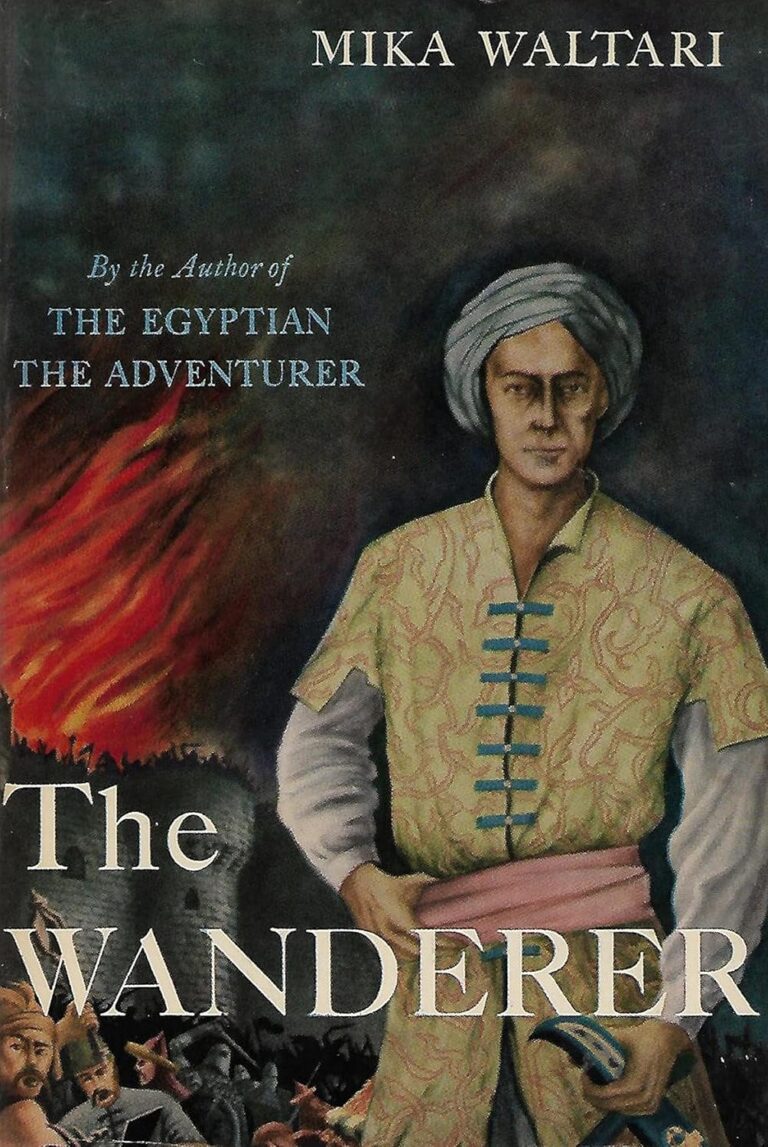
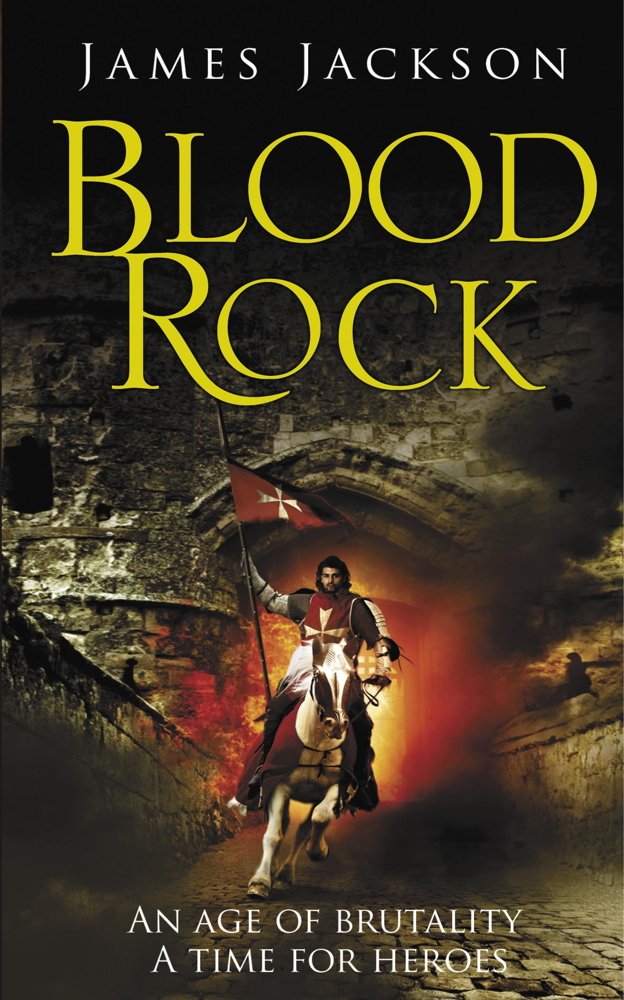
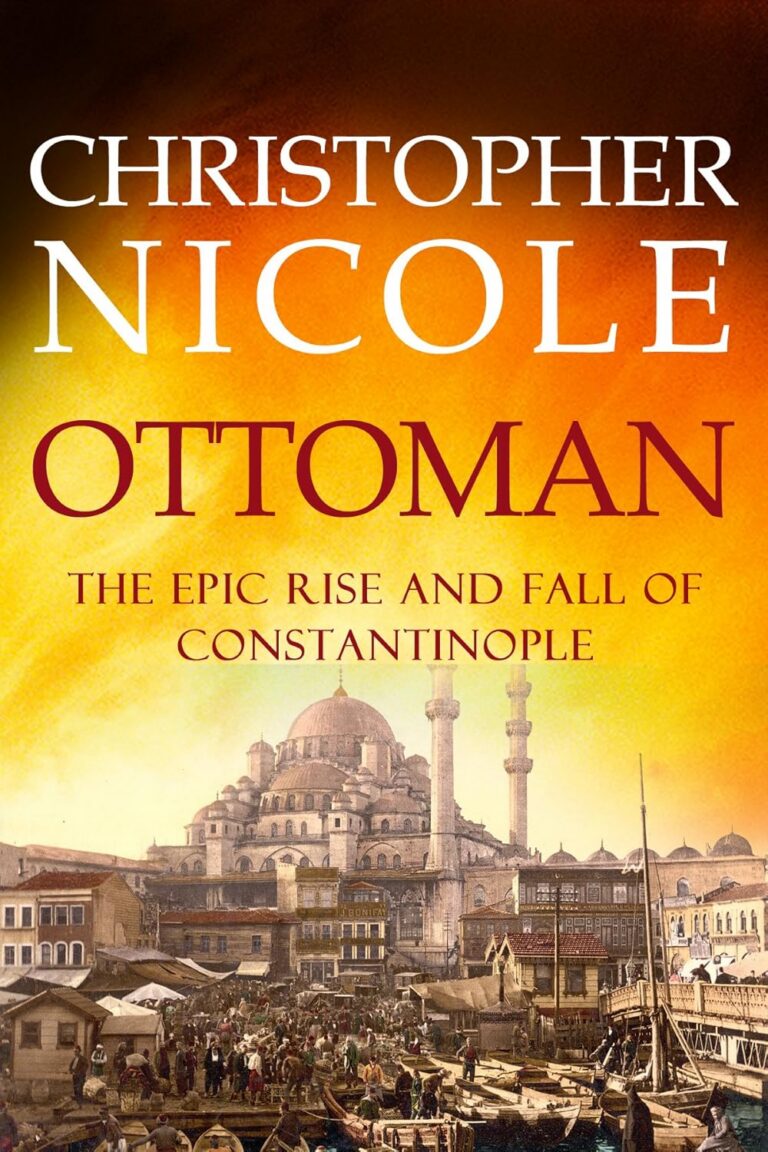
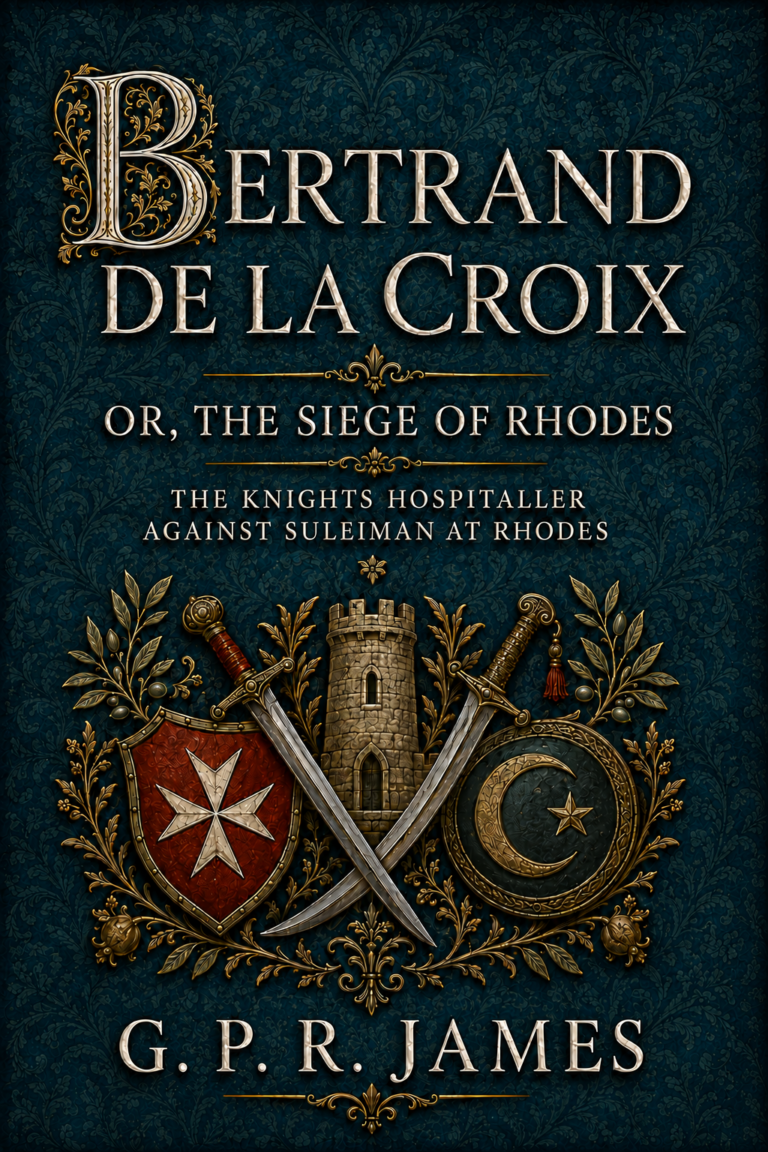
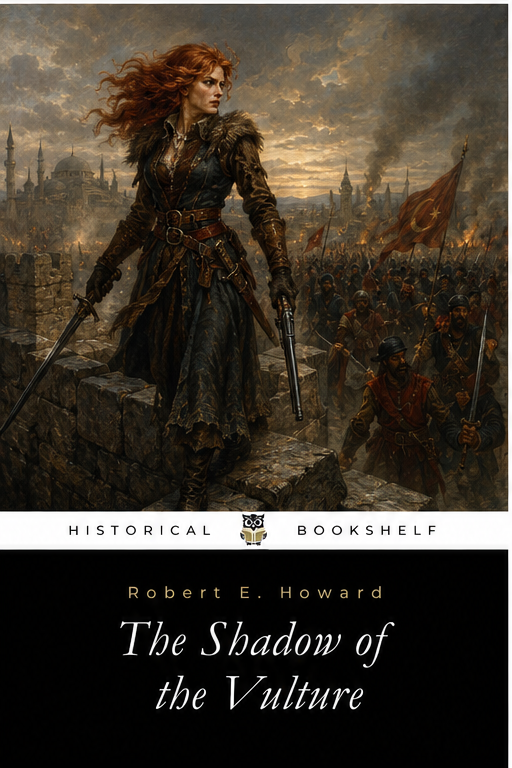
G. P. R. James’s Bertrand de la Croix; or, the Siege of Rhodes places Suleiman’s army and fleet around the Hospitaller fortress in 1522, making his first great island conquest the military enclosure for its fictional chivalric drama. James H. Jackson’s Blood Rock moves to Malta in 1565, where the force sent by the ageing sultan attempts to destroy the Knights’ new stronghold and the defenders experience Ottoman power at its most concentrated. Christopher Nicole’s Ottoman carries one family through successive sultans into Suleiman’s age, using service at court and in campaigns to show the opportunities and dangers of imperial patronage. Robert E. Howard’s The Shadow of the Vulture sets its action against Suleiman’s 1529 siege of Vienna. Mika Waltari’s The Wanderer enters the empire from within, following a converted Finnish traveller who becomes physician and interpreter as Suleiman’s armies, fleets and court confront Habsburg Europe.